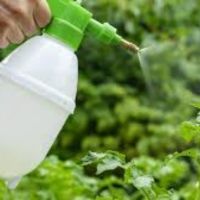

Strawberries have become the emblem of the modern home garden: compact, productive, and perfectly suited to raised beds and balcony containers. Yet their popularity has exposed a quiet frustration. Many gardeners discover that growing beautiful berries is less about sunshine and soil than about managing pests efficiently and affordably.
The conversation around insecticide for strawberry plants often gravitates toward extremes, either heavy chemical intervention or complete avoidance. In reality, today’s most effective approach is neither. It is strategic, measured, and designed for small-scale home environments where cost, safety, and simplicity matter as much as results.
The Hidden Cost of “Spray First” Thinking
Strawberries attract aphids, spider mites, thrips, and beetles with remarkable consistency. According to university extension data from states like California and Florida, unmanaged aphid populations can reduce fruit yield by double-digit percentages in a single season. The instinctive response is to reach for a broad-spectrum insecticide for plants, often applied more frequently than necessary.
But blanket spraying can stress delicate foliage and disrupt beneficial insects, particularly in backyard ecosystems. It also increases long-term expense. Repeated applications of high-cost formulas add up quickly over a growing season.
Effective pest control begins with accurate identification and threshold awareness, not automatic escalation.
Precision Over Power
Home gardens operate differently from commercial fields. Strawberries grown in containers or small beds allow for close monitoring, targeted application, and early intervention.
Integrated pest management principles, widely endorsed by agricultural universities, recommend combining physical inspection, pruning of damaged leaves, and selective use of insecticide for strawberry plants only when pest populations reach measurable thresholds. This reduces both chemical use and cost.
In practice, gardeners who inspect weekly and treat selectively often use significantly less product across a season than those who spray preventively. Precision lowers expense without sacrificing yield.
Affordability Is a System, Not a Price Tag
An effective and affordable insecticide for plants is not simply the cheapest bottle on the shelf. It is part of a system that includes soil health, airflow, companion planting, and consistent watering practices.
Healthy strawberry plants are less vulnerable to infestation. Overfertilized plants, by contrast, produce soft growth that attracts aphids and mites. A modest investment in balanced nutrition and spacing can reduce reliance on chemical intervention altogether.
Garden educators increasingly emphasize that pest prevention is cumulative. Each small adjustment reduces overall input costs.
The Safety Equation in Small Spaces
For readers of House Beautiful, strawberries are often grown near patios, kitchens, or shared outdoor areas. In these settings, safety carries particular weight.
Modern formulations designed for edible crops have evolved to break down more quickly and minimize residue when applied according to label instructions. The key is matching the product to the plant and applying with restraint.
Used thoughtfully, an insecticide for strawberry plants becomes a tool within a broader care strategy rather than a dominant solution.
Where Home Pest Control Is Headed
The next evolution in garden pest management is already emerging. Home growers are increasingly turning to biological controls, digital plant care apps, and extension-driven guidance to refine timing and application frequency.
Early adoption of integrated pest management at the household level mirrors what commercial agriculture implemented years ago. The difference is scale. Home gardeners benefit from proximity to their plants, allowing observation that large growers cannot replicate as easily.
This shift suggests a future where fewer, better-timed interventions replace routine spraying.
A More Nuanced Approach to Berry Success
Strawberries reward attentive growers with abundant harvests, but they also demand vigilance. The most effective strategy is not aggressive or expensive. It is informed.
Choosing an appropriate insecticide for plants, applying it only when warranted, and supporting plant resilience through sound cultivation practices create a balanced system. For modern home gardeners, that balance is the real key to affordable and lasting success.