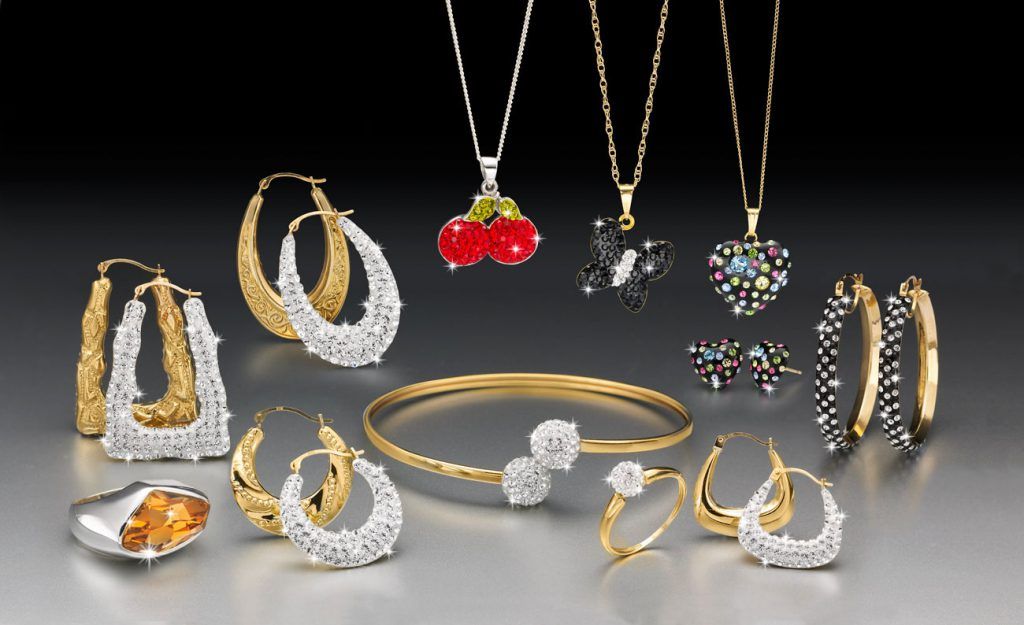

Gemstone valuation follows a structured professional process that blends science, experience, and market understanding. A luxury jeweler studies multiple quality factors to assign an accurate price to each stone. These factors include color, clarity, cut, and carat weight, along with origin and certification details. Every gemstone carries unique characteristics that influence its market position. Jewelers rely on strict grading systems and advanced tools to ensure fairness and consistency. The valuation process protects both buyers and sellers by ensuring transparency and accuracy in pricing decisions across the jewelry industry.
Analyzing Color Quality in Gemstones
Color represents one of the most important aspects of gemstone value. Jewelers evaluate hue, tone, and saturation to understand how rich and appealing a gemstone appears. Strong, vibrant colors often indicate higher quality and greater demand in the market. Subtle differences in color intensity can significantly impact pricing outcomes. Even small variations in tone can shift a gemstone from premium to standard grade. Lighting conditions are carefully controlled during evaluation to avoid distortion. Natural color consistency is also reviewed to ensure authenticity and stability across the entire stone.
Inspecting Clarity and Internal Characteristics
Clarity refers to the presence of internal inclusions and surface imperfections within a gemstone. Jewelers use magnification tools to examine these features in detail. Fewer inclusions generally result in higher value because the stone allows more light to pass through. Visible flaws such as cracks, clouds, or mineral traces reduce transparency and lower pricing. Some inclusions help confirm natural origin, but excessive imperfections negatively affect quality grading. Clarity analysis ensures that gemstones are accurately categorized based on visual purity and structural integrity.
Evaluating Cut Precision and Craftsmanship
Cut quality plays a major role in determining gemstone brilliance and overall beauty. Jewelers assess symmetry, proportions, and facet alignment to understand how well a stone reflects light. A precise cut enhances sparkle and fire, making the gemstone more visually attractive. Poor cutting reduces brightness even in high-quality material. Advanced measurement tools help evaluate angles and proportions accurately. Skilled craftsmanship can significantly increase gemstone value by transforming raw material into a polished, visually balanced piece suitable for luxury jewelry designs.
Measuring Carat Weight with Accuracy
Carat weight measures the size and mass of a gemstone and directly affects pricing. Larger gemstones are rarer, making them more valuable in many cases. Jewelers use precision scales to ensure accurate measurement down to small fractions. However, carat weight alone does not define final value. A large gemstone with poor clarity or color may be less valuable than a smaller high-quality stone. Balanced evaluation ensures that weight is considered alongside other grading factors for accurate pricing decisions.
Origin and Geographic Rarity
Gemstone origin influences value due to geological uniqueness and regional reputation. Certain mining locations are known for producing higher-quality stones with distinct characteristics. Jewelers verify origin through certification documents and advanced testing methods. Stones from rare or limited sources often achieve higher market prices. Geographic origin also adds historical and cultural significance, increasing buyer interest. This factor helps position gemstones within global markets where rarity and reputation contribute significantly to overall valuation outcomes.
Identifying Treatments and Enhancements
Treatment analysis determines whether a gemstone has been altered to improve appearance. Common treatments include heat processing, irradiation, or chemical enhancement. Jewelers carefully inspect stones to detect any modifications that affect natural quality. Untreated gemstones typically hold higher value due to originality and rarity. Treated stones remain widely used but are priced differently based on treatment type and stability. Accurate detection ensures transparency in pricing and prevents misrepresentation in both retail and resale markets.
Using Professional Gemological Tools
Gemstone evaluation relies heavily on specialized tools that provide scientific accuracy. Jewelers use microscopes to inspect internal features and refractometers to measure how light travels through a stone. Spectroscopes help identify material composition and detect treatments. UV lighting reveals fluorescence patterns that assist in classification. Precision scales ensure exact carat measurement. Controlled lighting environments help maintain consistency during color evaluation. These tools work together to eliminate guesswork and ensure objective, repeatable valuation results.
Reviewing Certification and Laboratory Reports
Certification provides official validation of a gemstone’s quality and authenticity. Gemological laboratories issue detailed reports covering cut, color, clarity, carat weight, and treatment history. Jewelers depend on these documents to confirm grading accuracy. Certification increases buyer confidence and supports fair pricing in high-value transactions. Stones with recognized certificates often achieve stronger market value due to verified quality standards. This documentation also supports long-term resale value, making certification a critical step in professional gemstone valuation.
Evaluating Market Demand and Trends
Market demand influences gemstone pricing alongside physical characteristics. Consumer preferences, fashion trends, and investment behavior shape demand levels for specific stones. Rare gemstones often gain higher value due to limited availability and strong buyer interest. Jewelers continuously monitor market conditions to adjust pricing strategies accordingly. Seasonal trends and global demand shifts also affect valuation. Market-driven pricing ensures gemstones remain aligned with current buying patterns while maintaining competitiveness within the luxury jewelry sector.
Combining All Factors for Final Valuation
Final gemstone valuation involves combining all evaluated factors into a structured pricing model. Jewelers analyze color, clarity, cut, carat weight, origin, treatment status, certification, and market demand together. Each factor contributes to the overall value based on its importance. Professional expertise ensures balanced judgment between scientific data and market conditions. The final price reflects both intrinsic quality and external demand factors. This step ensures accurate, fair, and transparent valuation suitable for retail sales, investment purposes, and resale markets.
Conclusion
Gemstone valuation requires precision, structured analysis, and deep industry knowledge. Jewelers rely on a combination of physical evaluation, scientific tools, certification data, and market trends to determine accurate pricing. Each gemstone is unique, and its value depends on multiple interconnected factors rather than a single characteristic. This structured process ensures fairness, transparency, and consistency in the jewelry industry. Understanding these steps provides clarity on how gemstones are assessed and why their value varies across different markets and quality grades.