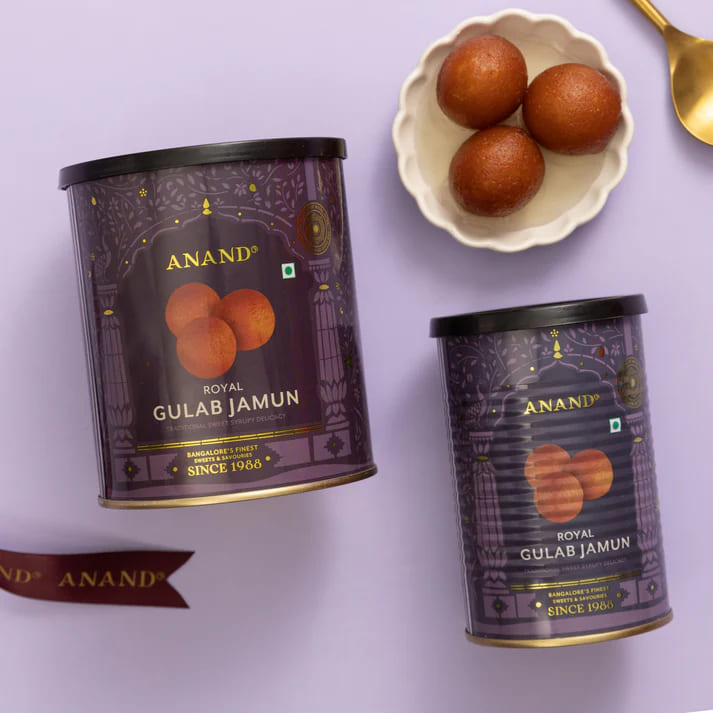

There are very few desserts in India that can match the popularity and emotional connection of gulab jamun. Soft, syrupy, warm, and melt-in-the-mouth, this iconic sweet has become a permanent part of Indian celebrations. Whether it’s weddings, festivals, birthday dinners, or festive gift boxes, gulab jamun somehow always finds its place on the table.
But have you ever stopped to wonder where this beloved dessert actually came from?
Interestingly, the story of gulab jamun goes far beyond Indian kitchens. Its roots trace back centuries and travel across cultures, royal kitchens, and culinary traditions before finally becoming the sweet we know and love today.
Let’s take a warm and fascinating journey into the origin story of gulab jamun and discover how it traveled from Persian influences to becoming one of India’s most iconic desserts.
The Meaning Behind the Name
Before diving into history, let’s understand the name itself.
The word “gulab” comes from the Persian words:
- gul = flower
- ab = water
Together, they refer to rose water, which was traditionally used to flavor the sugar syrup.
The word “jamun” comes from the Indian fruit called black plum (jamun), because the dessert’s round shape and dark color resembled the fruit.
So, gulab jamun literally translates to something like:
“rose-water flavored sweet shaped like a jamun fruit.”
Pretty poetic for a dessert, right?
Persian and Middle Eastern Influence
The origins of gulab jamun are widely believed to be linked to Persian and Middle Eastern desserts.
Many food historians suggest that the dessert evolved from a Persian sweet called luqmat al-qadi (also known as lokma in some regions). These were fried dough balls soaked in sweet syrup—very similar in concept to gulab jamun.
As Persian culinary traditions traveled through trade routes and royal influence, they eventually reached the Indian subcontinent.
This happened especially during the Mughal era, when Persian culture heavily influenced Indian art, architecture, language, and food.
The Mughal Connection
The Mughal Empire played a huge role in shaping Indian cuisine, and gulab jamun is believed to have evolved during this period.
Royal Mughal kitchens were known for experimenting with rich ingredients like:
- milk solids
- saffron
- nuts
- rose water
- cardamom
Indian cooks adapted the Persian-style fried dessert using local ingredients, especially khoya (reduced milk solids), which gave the sweet its signature soft texture and richness.
This transformation made gulab jamun uniquely Indian.
Instead of simple dough balls, the dessert became softer, richer, and more luxurious.
How Gulab Jamun Became an Indian Classic
Over time, gulab jamun moved beyond royal kitchens and became deeply woven into Indian culture.
What made it so popular?
1) Simplicity
Even though it tastes luxurious, the basic ingredients are simple:
- khoya
- flour
- sugar syrup
- cardamom
2) Universal Appeal
Unlike some desserts that are region-specific, gulab jamun is loved almost everywhere in India.
3) Perfect for Celebrations
Its sweetness and richness made it ideal for:
- weddings
- festivals
- temple offerings
- family gatherings
Eventually, it became impossible to imagine celebrations without it.
Regional Variations Across India
One of the most interesting things about gulab jamun is how different regions created their own versions.
Kala Jamun
A darker, richer variation with a firmer texture.
Dry Gulab Jamun
Coated with sugar instead of soaked heavily in syrup.
Stuffed Gulab Jamun
Filled with nuts and dry fruits.
Bread Gulab Jamun
A simpler homemade version made using bread.
Paneer Gulab Jamun
Popular in some eastern regions for a softer texture.
This diversity shows how deeply the dessert became integrated into Indian food culture.
Why Gulab Jamun Feels So Emotional
There’s something about gulab jamun that goes beyond taste.
It reminds people of:
- wedding buffets
- festive dinners
- family celebrations
- restaurant desserts after meals
- childhood memories
For many Indians, the dessert carries nostalgia.
Just seeing a warm bowl of gulab jamun can instantly bring back memories of happy moments.
That emotional connection is one reason why it continues to remain timeless.
The Texture That Made It Famous
Let’s be honest—the texture is a huge reason people love gulab jamun.
When made perfectly, it should be:
- soft
- juicy
- airy
- syrup-filled but not soggy
Achieving that perfect balance requires skill.
Too hard? It loses charm.
Too soft? It breaks apart.
The best gulab jamun melts effortlessly in your mouth while still holding its shape.
Modern Twists on a Traditional Dessert
Even though gulab jamun is deeply traditional, modern dessert culture has created exciting new variations.
Today you’ll find:
- chocolate gulab jamun
- gulab jamun cheesecake
- ice cream gulab jamun
- baked gulab jamun
- fusion dessert platters
This ability to evolve while still staying true to its roots is part of what keeps the dessert relevant across generations.
Gulab Jamun Around the World
As Indian cuisine spread globally, gulab jamun traveled with it.
Today, it’s enjoyed in:
- Indian restaurants worldwide
- international dessert menus
- festive celebrations abroad
For many Indians living overseas, gulab jamun offers a comforting taste of home.
And for international dessert lovers, it often becomes one of the first Indian sweets they fall in love with.
Why Gulab Jamun Still Reigns Supreme
Food trends come and go.
Fusion desserts become popular for a while and then disappear. But gulab jamun has remained loved for generations.
Why?
Because it combines:
- simplicity
- richness
- nostalgia
- celebration
- comfort
It doesn’t try too hard. It simply delivers happiness in every bite.
A Dessert That Brings People Together
One beautiful thing about gulab jamun is how universally loved it is.
At weddings, you’ll see:
- kids reaching for extra servings
- grandparents enjoying it slowly
- guests ending meals with it
It cuts across age groups and regions effortlessly.
That’s rare for any dessert.
Final Thoughts
The journey of gulab jamun from Persian-inspired roots to becoming India’s favorite dessert is truly fascinating.
What started as a syrup-soaked fried sweet evolved through Mughal kitchens, Indian creativity, and generations of tradition into the soft, comforting dessert we know today.
And maybe that’s why it feels so special.
Because every bite carries:
- history
- culture
- celebration
- emotion
So the next time you enjoy warm gulab jamun, remember—you’re not just eating a dessert. You’re tasting centuries of culinary tradition and one of the sweetest stories ever told through food.