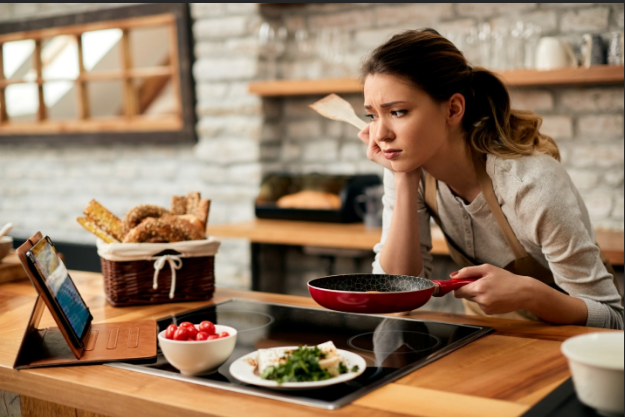

Cooking should feel rewarding, not frustrating. But for beginners, even simple recipes can go wrong. Chicken turns out dry, sauces taste bland, cakes come out dense, and vegetables end up soggy instead of crisp.
The good news? Most of the biggest recipe mistakes are easy to fix once you understand what caused them. Better results often come down to simple habits, like reading the recipe first, measuring correctly, seasoning at the right time, and controlling the heat.
This guide breaks down the mistakes beginners make and gives you a simple fix for each one, so your next meal turns out closer to the way it should.
Biggest Recipe Mistakes Beginners Make and How to Fix Them
-
Not Reading the Recipe Thoroughly Before Starting Leads to Avoidable Errors
One of the biggest recipe mistakes is jumping straight into cooking without fully reading the recipe book. This often results in missed steps, incorrect order of ingredients, or realizing too late that something needed prep time.
The fix is simple but powerful: read the entire recipe from start to finish before you begin. This allows you to visualize the process, prepare ingredients in advance, and avoid last-minute surprises. Professional chefs call this “mise en place”, having everything ready before cooking starts.
-
Incorrect Measurements Can Ruin Texture and Flavor
Cooking gives you some room to adjust, but baking depends on accuracy. Beginners often guess ingredient amounts or use the wrong kitchen tools, which can result in dense cakes, overly salty food, or flavors that feel unbalanced.
To fix this, use proper measuring tools. Level off dry ingredients, measure liquids at eye level, and follow quantities precisely, especially in baking. Over time, you’ll develop intuition, but accuracy is key in the beginning.
-
Cooking at the Wrong Temperature Causes Uneven Results
Many beginners either cook on heat that’s too high in a rush or too low out of caution. Both approaches can ruin easy recipes, burning the outside while leaving the inside undercooked or making food soggy instead of crisp.
The solution to these biggest recipe mistakes is understanding the heat control. Medium heat is often your best friend for even cooking. Preheat pans and ovens properly, and resist the urge to constantly adjust the temperature unless the recipe suggests it.
-
Overcrowding the Pan Prevents Proper Browning
It’s tempting to cook everything at once, especially when you’re hungry or short on time. But overcrowding traps steam and prevents food from browning properly, resulting in soggy textures instead of a crisp finish.
The fix is to cook in batches. Give ingredients enough space so heat can circulate evenly. This is especially important for proteins and vegetables that benefit from caramelization.
-
Not Tasting Food While Cooking Leads to Bland Results
Many beginners tend to wait until the end to taste their dish, only to discover that it lacks seasoning or balance, which is one of the biggest recipe mistakes. By that point, it can be more challenging to correct.
The key is to taste as you cook. Gradually adjust the salt, acidity, and spices. This approach helps build layers of flavor and gives you more control over the final outcome. Remember, cooking is an evolving process, not just a one-step finish.
-
Using Cold Ingredients When Room Temperature Is Needed
One of the biggest recipe mistakes beginners make is using cold ingredients straight from the fridge when a recipe calls for room-temperature items. Butter, eggs, milk, and cream mix more evenly when they are slightly warm, which helps create smoother batter and better texture. Cold ingredients can cause cakes to bake unevenly or sauces to separate.
A simple fix is to let ingredients sit out for 20 to 30 minutes before cooking or baking. This small step can noticeably improve your final results.
-
Overmixing Batter or Dough
Many beginners think mixing longer creates a better batter, but overmixing can ruin texture. When batter or dough is mixed too much, it develops excess gluten, which makes cakes dense, muffins tough, and cookies chewy in the wrong way.
This is especially common in baking because beginners often keep stirring until perfectly smooth. The best approach is to mix only until the ingredients are combined. A few small lumps are completely normal in many recipes and usually lead to softer, lighter baked goods.
-
Replacing Ingredients Without Understanding Their Purpose
Ingredient swaps may seem harmless, but they can completely change how a recipe turns out. Beginners often replace ingredients to save time or use what they already have, without understanding how those ingredients affect texture, moisture, or flavor.
For example, replacing butter with oil or baking soda with baking powder can change the entire outcome. Some substitutions work well, but others can ruin consistency and balance. Before making swaps, it helps to understand what each ingredient actually does in the recipe and how it affects cooking results.
Wrap Up
Every great cook was once a beginner who made mistakes and learned from them. The key is not perfection but progress. By understanding these common pitfalls and applying simple fixes, you can transform your cooking experience from frustrating to fulfilling and avoid these biggest recipe mistakes.
Cooking is a skill built over time, and each dish is an opportunity to improve. With attention to detail, patience, and a willingness to learn, you’ll not only follow recipes, but you’ll also master them.
FAQs
What is the most common mistake beginners make in cooking?
Not reading the recipe and picking the inappropriate kitchen accessories fully before starting is one of the most common and preventable mistakes.
How can I improve my cooking quickly?
Focus on mastering basics like proper measurement, heat control, and tasting as you go.
Why does my food taste bland even when I follow the recipe?
You may not be seasoning gradually or tasting during cooking. Adjust flavors throughout the process.
Do I need expensive tools to cook well?
No, but a few quality basics like a sharp knife and a good pan can make a big difference.
How do I know when food is properly cooked?
Use a combination of timing, visual cues, and tools like thermometers for accuracy.