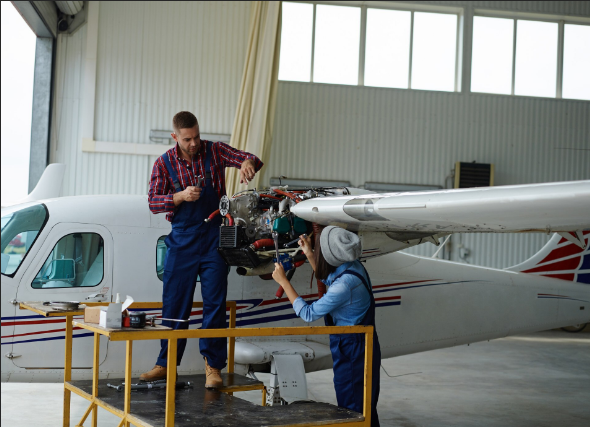

Many students and renters focus on flying skills but overlook the importance of aircraft maintenance service before takeoff. This step is just as important as learning controls or navigation. Whether you are training at an affordable flight school or renting for practice, asking the right questions helps you avoid risks. A few minutes spent reviewing maintenance details can improve safety, build confidence, and make every flight more reliable.
Key Takeaways
- Always confirm inspection dates and records.
- Review maintenance logs before flying.
- Ask about recent issues and repairs.
- Ensure certified professionals handle maintenance.
- Perform your own pre-flight inspection every time.
What to Ask Aircraft Maintenance Services Before You Fly
When was the last inspection completed?
Every aircraft must go through regular inspections, such as 100-hour and annual checks. Always ask when the last inspection was completed and confirm it is still valid. In busy environments like a Southern California flight school, aircraft are used frequently, so timely inspections are critical. If an aircraft is close to its inspection limit, it should not be flown until cleared.
Can you review the maintenance logs?
Maintenance logs provide a full history of the aircraft. These records include repairs, inspections, and part replacements. You should always ask to review them before flying. If logs are unclear or not easily accessible, it raises concerns. A reliable aircraft maintenance service keeps accurate and transparent records that anyone can verify.
Were any issues reported recently?
Ask if any pilot or student reported problems during recent flights. Even minor issues, such as unusual vibrations or instrument irregularities, should be documented. For example, a slight engine roughness reported during training may lead to a quick inspection. If ignored, it could turn into a serious issue. Always confirm that reported problems were resolved.
Who performs the maintenance?
It is important to know who is responsible for maintaining the aircraft. Certified and experienced mechanics should handle all work. This is especially important in programs offering accelerated pilot training, where aircraft are used more often. Frequent usage increases wear, so qualified maintenance becomes even more important for safety.
How are problems reported and handled
Ask the aircraft maintenance service about the system used to report and track issues. A proper process should allow pilots to report problems immediately after a flight. The aircraft should be grounded if necessary and returned to service only after inspection. Without a clear system, issues can go unnoticed, creating risk for the next pilot.
Is the aircraft grounded when necessary?
Aircraft should never be flown if a known issue exists. Ask how strictly the grounding rules are followed. For example, if a navigation light or an instrument is not working, the aircraft should not be used until it is repaired. A strong safety culture always puts maintenance before convenience.
What is the condition of the major components?
Ask the aircraft maintenance service about engine hours, recent overhauls, and replacement of critical parts. Older aircraft are not unsafe if properly maintained. For example, an aircraft with a recently overhauled engine can perform better than a newer one with poor maintenance. Condition matters more than age.
Conclusion
Before every flight, taking a few minutes to review maintenance details can make a big difference. Aircraft maintenance service is not just a background task. It directly affects your safety and confidence in the air. By asking the right questions, checking logs, and understanding how maintenance is handled, you build strong habits that stay with you throughout your aviation journey. These small steps help you avoid risks and fly with confidence. Always remember, a safe flight begins long before takeoff with proper checks on the ground.
FAQs
What is the most important maintenance check before flying?
The most important step is confirming that inspections are up to date and reviewing maintenance logs. This ensures the aircraft meets safety standards before takeoff.
Can I fly an aircraft if a minor issue is reported?
No. Even small issues should be inspected and cleared before flying. Minor problems can become serious if ignored.
Do all flight schools follow the same maintenance standards?
Most follow aviation regulations, but the quality of maintenance practices can vary. Always ask questions and verify records yourself.
Why should renters check maintenance if the school handles it?
As a pilot, you are responsible for the aircraft you fly. Checking maintenance helps you confirm safety instead of relying on assumptions.
How often should maintenance logs be updated?
Logs should be updated after every inspection, repair, or reported issue. Accurate records are essential for safe operations.