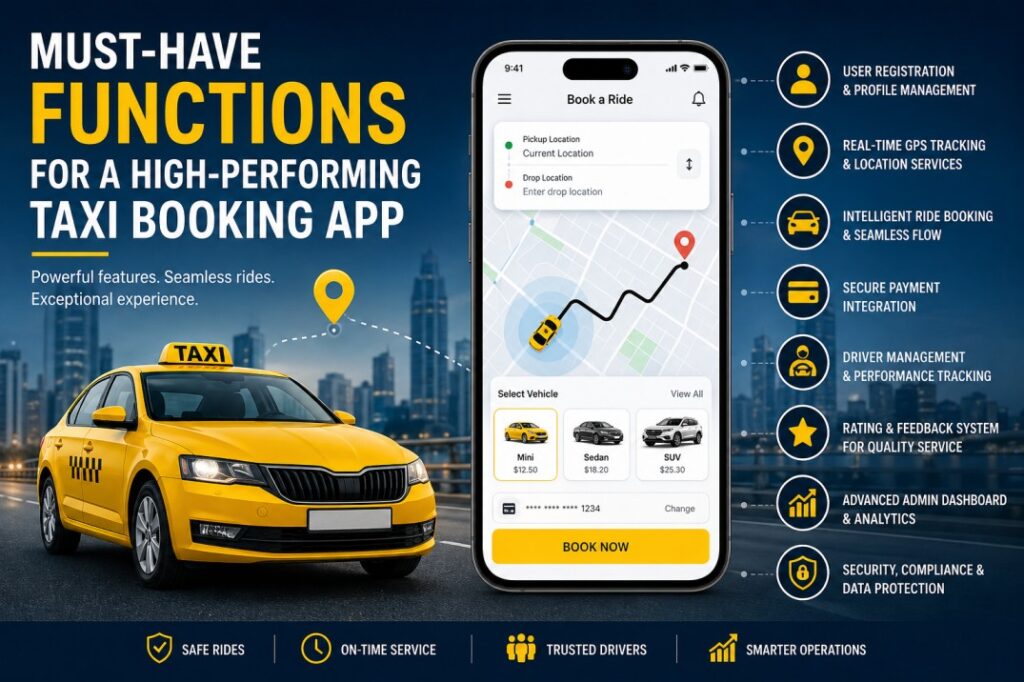

In today’s rapidly evolving mobility landscape, digital platforms are reshaping how people commute. A well-designed taxi application is no longer just a convenience but a necessity for urban transportation systems. Businesses entering this domain must focus on functionality, scalability, and user experience to remain competitive. Partnering with a reliable taxi booking app development company can significantly influence the success of such platforms by ensuring robust architecture, seamless performance, and feature-rich solutions tailored to both riders and drivers.
Essential User Registration and Profile Management System
A smooth onboarding process is fundamental to user retention. Registration should be intuitive, allowing users to sign up via phone numbers, email, or social accounts. Simplicity reduces friction and encourages quick adoption.
Once registered, profile management must offer flexibility and personalization. Users should be able to update personal details, payment methods, and preferences effortlessly. A well-structured system also helps in maintaining accurate user data, which enhances service delivery.
Key components include:
- Multiple sign-up and login options
- Secure authentication mechanisms
- Profile editing and customization
- Ride history and saved locations
A thoughtfully implemented user system builds trust and improves engagement over time.
Real-Time GPS Tracking and Accurate Location Services
Location accuracy is at the heart of any taxi platform. Real-time GPS tracking ensures that riders can pinpoint their pickup and drop-off locations with precision. It also enables drivers to navigate efficiently, reducing delays and improving customer satisfaction.
Advanced mapping integrations allow users to track their ride in real time, offering transparency and safety. This feature also benefits drivers by optimizing routes and minimizing fuel consumption.
Core functionalities should include:
- Live location tracking
- Route optimization
- Estimated arrival times
- Dynamic rerouting based on traffic
Reliable tracking capabilities are essential for operational efficiency and user confidence.
Intelligent Ride Booking Interface With Seamless Flow
The booking interface must be intuitive and responsive. Users should be able to book a ride within a few taps, without navigating through complex menus. A clean interface reduces cognitive load and enhances usability.
The system should allow users to select vehicle types, schedule rides, and view fare estimates before confirming bookings. Clarity at this stage prevents misunderstandings and improves overall satisfaction.
Important features include:
- Quick ride booking with minimal steps
- Fare estimation before confirmation
- Vehicle category selection
- Ride scheduling options
A streamlined booking flow is a critical component of a successful application and is often emphasized by any experienced taxi booking app development company.
Secure Payment Integration Supporting Multiple Methods
Payment flexibility is essential for catering to a diverse user base. The application should support various payment methods, including digital wallets, credit cards, debit cards, and cash options.
Security is paramount when handling financial transactions. Encryption and compliance with payment standards ensure that user data remains protected.
Essential payment features include:
- Multiple payment options
- Secure transaction processing
- Automated billing and receipts
- In-app wallet functionality
Transparent and secure payment systems enhance user trust and encourage repeat usage.
Driver Management Panel With Performance Tracking Tools
A comprehensive driver management system is vital for operational success. It enables administrators to monitor driver activities, manage availability, and ensure service quality.
Performance tracking tools help evaluate driver behavior, punctuality, and customer feedback. This data-driven approach allows businesses to maintain high standards and address issues proactively.
Key elements include:
- Driver onboarding and verification
- Availability and status management
- Performance analytics and ratings
- Earnings and commission tracking
Efficient driver management contributes significantly to service reliability and customer satisfaction.
Rating Feedback System Enhancing Trust And Service Quality
Feedback mechanisms play a crucial role in maintaining quality standards. Both riders and drivers should have the ability to rate each other after every trip. This mutual evaluation fosters accountability and transparency.
A well-designed rating system helps identify top-performing drivers and address complaints promptly. It also provides valuable insights into user expectations and service gaps.
Important aspects include:
- Post-ride rating and reviews
- Complaint resolution workflows
- Feedback analytics
- Continuous improvement mechanisms
Such systems are indispensable for building a trustworthy platform and are often prioritized by a taxi booking app development company during the development phase.
Advanced Admin Dashboard For Complete Operational Control
The admin dashboard acts as the control center of the entire platform. It provides a centralized interface for managing users, drivers, rides, and financial transactions.
A powerful dashboard enables administrators to make data-driven decisions, monitor performance metrics, and ensure smooth operations. Customizable reports and analytics further enhance its utility.
Key features include:
- Real-time monitoring of rides
- User and driver management
- Revenue tracking and reporting
- System configuration controls
A robust admin panel ensures scalability and long-term sustainability of the platform.
Scalability Considerations And Cost Optimization Strategies
As the user base grows, the application must be capable of handling increased demand without compromising performance. Scalability should be a core consideration from the initial development phase.
Businesses often evaluate the cost to build taxi app solutions carefully, balancing functionality with budget constraints. Choosing the right technology stack and development approach can significantly impact both initial and long-term costs.
Some strategies include:
- Cloud-based infrastructure for scalability
- Modular architecture for easy updates
- Efficient database management
- Performance optimization techniques
Additionally, opting for a white label taxi app can accelerate time-to-market while reducing development complexity. For businesses seeking customization, it is also crucial to hire taxi app developers with expertise in scalable system design.
Security Compliance And Data Protection Best Practices Guide
Security is a non-negotiable aspect of any digital platform. Taxi applications handle sensitive user data, including personal information and payment details, making them potential targets for cyber threats.
Implementing strong security measures ensures data protection and regulatory compliance. It also builds user confidence and safeguards the platform’s reputation.
Essential security practices include:
- End-to-end data encryption
- Secure authentication protocols
- Regular security audits
- Compliance with data protection regulations
A secure system not only protects users but also strengthens the overall credibility of the platform.
Conclusion
Building a high-performing taxi application requires a strategic approach that balances functionality, usability, and scalability. From intuitive user interfaces to robust backend systems, each component plays a vital role in delivering a seamless experience. By focusing on essential features, maintaining security standards, and adopting scalable technologies, businesses can create platforms that meet evolving user expectations and sustain long-term growth in a competitive market.