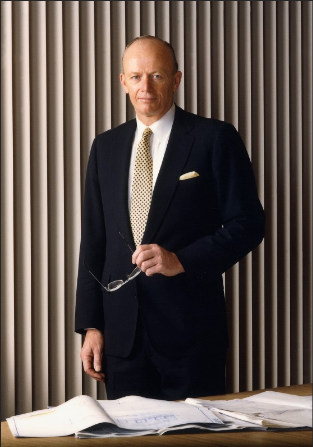

Corporate headshots may look simple, but the process behind them can affect timelines, budgets, and how the images are used. For companies, fast delivery matters because headshots are often needed for websites, LinkedIn profiles, press kits, directories, and new-hire announcements.
At the same time, usage rights are just as important as image quality. Paying for a session does not always mean the company owns every right to the photos. Most photography agreements define where, how, and how long images can be used.
This blog breaks down practical corporate photography benchmarks for headshot delivery times and usage rights, so businesses can plan confidently, avoid confusion, and get professional images that support their brand.
Key Takeaways
- Corporate photography benchmarks help set clear expectations for delivery times, editing, file formats, and usage rights.
- Small teams usually receive headshots faster, while larger teams need more planning and staged delivery.
- Usage rights should clearly define where images can be used, such as websites, LinkedIn, press materials, or ads.
- Copyright and usage licenses are different, and most companies only need a business-use license.
- A written agreement with a commercial photographer prevents confusion and protects both sides.
Understanding Corporate Photography Benchmarks
Headshot Delivery Time Benchmarks
Small Team Headshots
For small teams of 5 to 20 people, final headshots are usually delivered within one to two weeks after selections are made. The process is faster because there are fewer people, fewer revisions, and less file management.
To avoid confusion, companies should confirm the number of edited images per person, retouching details, file formats, and revision limits before the shoot.
Mid-Size Company Headshots
For teams of 25 to 75 people, delivery usually takes two to three weeks. These projects need more organization, including scheduling, image selection, file naming, and approval steps.
Clear corporate photography benchmarks help define timelines, deliverables, and editing expectations, much like structured wedding photography packages do for event-based services.
Large Corporate Headshot Projects
For 100 or more employees, delivery may take several weeks, especially if the shoot involves multiple locations or approval stages. A delivery calendar helps track preview dates, selection deadlines, priority batches, and final files.
Strong planning keeps large headshot projects manageable and prevents delays.
Usage Rights Benchmarks for Corporate Headshots
What Usage Rights Mean
Usage rights define how a company can use the images after delivery. In most cases, paying for a photography session does not automatically grant the client copyright ownership. Photographers commonly retain copyright unless it is transferred in writing, while clients receive permission to use the images under agreed terms.
Common Corporate Headshot Usage Rights
A standard corporate headshot license usually includes business-related digital use. This may cover company websites, LinkedIn profiles, internal directories, speaker bios, and professional team pages. These rights are important in commercial photography because the images are used to represent the company publicly.
Broader usage, such as paid ads, billboards, print campaigns, recruitment promotions, or national media placements, may require additional licensing. A commercial photographer will usually consider where the image will appear, how long it will be used, the audience size, and whether the company needs exclusive use.
For most businesses, the best approach is to request a clear business-use license that covers everyday professional needs. If the images may be used in advertising, investor materials, or large campaigns, that should be agreed on before signing.
Copyright vs. Usage License
Copyright and usage rights are not the same. Copyright grants ownership of the image, while a usage license gives the company permission to use it in specific ways.
In most corporate projects, companies do not need full copyright ownership. They usually need practical usage rights that match their business needs. This is one of the most important benchmarks for corporate photography to understand before booking.
A strong contract should explain who owns the images, how the company can use them, whether employees can use their headshots, and whether the photographer can display the work in a portfolio. This clarity is just as important in corporate work as in portrait photography, where image use should always be agreed upon clearly.
Quality Benchmarks for Corporate Headshots
Consistency Across the Team
Good portrait photography is not only about making one person look good. In a corporate setting, consistency matters across the entire team. Lighting, background, framing, color tone, and crop style should feel unified.
This is especially important for leadership pages and employee directories. If headshots look inconsistent, the brand can appear less polished. A clear visual standard helps every image feel connected.
Retouching Expectations
Corporate retouching should look natural. The goal is to reduce distractions, not change someone’s appearance. Common edits include light skin cleanup, flyaway hair control, background cleanup, color correction, and minor clothing adjustments.
Companies should define the amount of retouching included and the number of revision rounds allowed. This prevents unexpected costs and keeps delivery timelines realistic.
File Format and Delivery Standards
Final files should usually be delivered in web-ready and high-resolution formats. Web-ready images are helpful for websites and LinkedIn, while high-resolution files are useful for print or press needs.
A complete delivery should include clear file names, organized folders, and any usage notes. This makes it easier for marketing, HR, and communications teams to use the images correctly.
Conclusion
Clear corporate photography benchmarks help companies plan headshot projects with fewer delays and better results. When delivery timelines, usage rights, retouching expectations, and file formats are defined early, the entire process runs more smoothly for everyone involved.
A professional headshot project is not just a photo session. It is a brand asset that supports credibility, communication, and visibility. By working with the right photographer and setting expectations in writing, companies can create polished, consistent images that serve their teams well across many platforms.
FAQs
How long do corporate headshots usually take to deliver?
Most small or mid-size projects are delivered within one to three weeks, depending on image selection, retouching needs, and the agreed corporate photography benchmarks.
Are corporate headshot packages similar to wedding packages?
Yes, in structure only. Like wedding photography packages, corporate headshot projects should clearly define timelines, deliverables, editing, and usage terms before booking.
Why is consistency important in business headshots?
Consistency matters because a company’s portrait photography should make the whole team look professional, unified, and aligned with the brand.
What should companies ask before hiring a photographer?
Companies should ask about delivery time, retouching, file formats, usage rights, and whether the commercial photographer provides a written agreement.
Do corporate headshots need usage rights?
Yes, because commercial photography is often used for websites, LinkedIn, press materials, and marketing, so usage terms should be clear before the shoot.