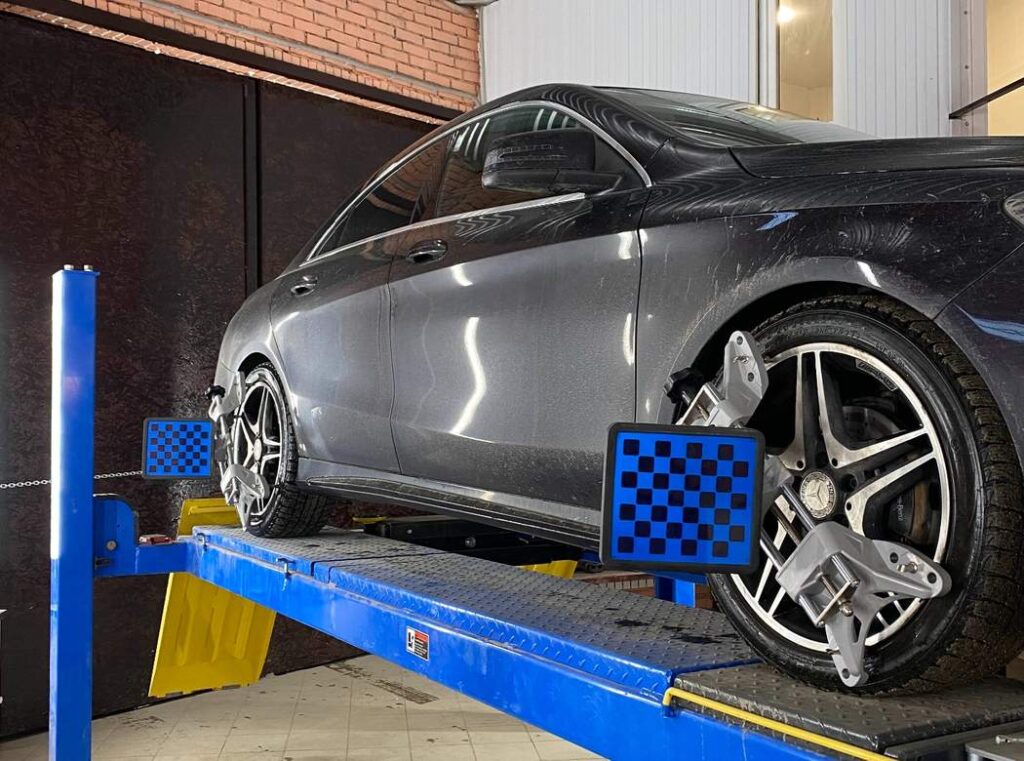

Modern vehicles depend on advanced driver-assistance systems that combine cameras, radar, and sensors to support safe driving decisions. Lane assist calibration plays a central role in maintaining accurate lane detection and steering support. These systems rely on precise alignment to interpret road markings, traffic flow, and surrounding objects. Small deviations in sensor positioning can affect braking, steering correction, and warning accuracy. Proper calibration ensures all components communicate correctly, improving driving stability, response timing, and overall road safety performance.
Assist Calibration
Assist calibration refers to the process of aligning vehicle sensors and software systems so they function with precise accuracy. Cameras, radar units, and ultrasonic sensors work together to monitor road conditions and surrounding objects. Each system depends on exact positioning to deliver reliable data to electronic control modules. Calibration ensures these components interpret information consistently. After repairs or component changes, recalibration restores correct measurement alignment, allowing driver-assistance features to operate with expected accuracy and dependable system behavior.
Why System Accuracy Matters in Modern Vehicles
System accuracy directly affects how effectively driver-assistance technologies respond to real-world conditions. Incorrect sensor alignment may lead to delayed alerts, improper lane tracking, or inconsistent cruise control behavior. Accurate calibration ensures reliable detection of vehicles, pedestrians, and lane boundaries. Even minor deviations can impact system decision-making and reaction timing. Reliable accuracy improves safety by reducing misinterpretation of road conditions. Well-calibrated systems support smoother driving performance and strengthen the connection between driver input and automated assistance functions.
Key Components Involved in Assist Calibration
Assist calibration involves several essential components working together to maintain system precision. Forward-facing cameras capture lane markings, road signs, and vehicle positioning data. Radar systems measure distance and speed of nearby objects, supporting adaptive cruise control and collision alerts. Ultrasonic sensors assist with close-range detection during parking and low-speed movement. Steering angle sensors monitor driver input and direction changes. All data is processed through electronic control modules that coordinate system responses, ensuring accurate interpretation and consistent driving assistance.
Signs a Vehicle May Need Assist Calibration
Certain warning signs indicate that a vehicle may require assist calibration. Dashboard alerts related to driver-assistance systems often appear when sensor alignment is disrupted. Lane departure warnings may trigger incorrectly or fail to activate under normal conditions. Adaptive cruise control can show inconsistent speed adjustments or unexpected braking behavior. Steering assistance may feel unresponsive or overly sensitive. These symptoms suggest misalignment in sensor data processing, requiring diagnostic evaluation to restore proper functionality and reliable system performance.
Benefits of Proper Assist Calibration
Correct assist calibration significantly improves the performance and reliability of vehicle safety systems. Lane detection becomes more precise, reducing unintended drifting and improving steering support. Obstacle recognition enhances early warning capabilities for safer driving decisions. Adaptive cruise control maintains smoother distance control between vehicles, improving highway driving stability. System responses become more predictable across different road environments. Proper calibration increases driver confidence by ensuring that assistance features operate consistently, supporting safer and more controlled vehicle movement.
Common Situations That Require Calibration
Several maintenance and repair conditions require recalibration of assist systems. Windshield replacement often affects camera alignment used for lane detection and traffic recognition. Collision repairs can shift radar or sensor placement, impacting system accuracy. Suspension changes or wheel alignment adjustments may alter vehicle geometry readings. Sensor replacement or repositioning also requires recalibration to restore correct function. Tire changes affecting ride height can influence system measurements. Each condition disrupts original sensor calibration, making realignment necessary for accurate system performance.
Static vs Dynamic Calibration Methods
Calibration methods vary depending on vehicle design and manufacturer requirements. Static calibration takes place in a controlled environment using specialized tools, fixed targets, and precise measurement equipment. This method focuses on adjusting sensors while the vehicle remains stationary. Dynamic calibration occurs through real-world driving conditions where systems recalibrate using live road data. Some vehicles require a combination of both methods to achieve full accuracy. Manufacturer specifications determine the correct approach, ensuring systems interpret environmental conditions with proper alignment and consistency.
How Professional Calibration Improves Vehicle Performance
Professional calibration services use advanced diagnostic equipment to achieve precise sensor alignment. Technicians follow manufacturer guidelines to ensure accurate adjustment of cameras, radar, and control modules. Specialized tools allow exact measurement targeting, reducing errors during calibration procedures. Software integration ensures compatibility between updated systems and hardware components. Proper calibration improves long-term reliability of driver-assistance functions. Professional service also reduces risks of misalignment, ensuring that safety features respond correctly and maintain consistent performance under varying driving conditions.
Challenges of Ignoring Calibration
Neglecting assist calibration can reduce the effectiveness of critical vehicle safety systems. Misaligned sensors may generate false alerts or fail to detect real hazards on the road. Lane assist features may provide incorrect guidance or inconsistent feedback. Adaptive cruise control can respond unpredictably, affecting driving comfort and safety. Over time, these issues increase the risk of system failure or miscommunication between components. Ignoring calibration also leads to higher repair costs and reduced reliability of automated driving assistance technologies.
Future of Calibration Technology
Advancements in automotive technology continue to increase reliance on precise calibration systems. Modern vehicles integrate more automated functions that depend heavily on sensor accuracy. Calibration tools are evolving with improved software automation, artificial intelligence support, and real-time adjustment capabilities. Future systems may reduce manual intervention through self-calibrating sensors and adaptive learning models. Regular maintenance will remain essential as vehicle systems become more complex. Continuous innovation in calibration technology supports safer driving environments and improved system intelligence.
Conclusion
Assist calibration plays a critical role in maintaining accurate performance across modern driver-assistance systems. Proper alignment of sensors, cameras, and radar ensures reliable communication between all components. Accurate calibration supports lane detection, collision avoidance, and adaptive cruise control with consistent precision. Maintaining system accuracy improves safety, driving stability, and overall vehicle reliability. Well-calibrated systems help reduce errors and strengthen confidence in automated assistance features, supporting safer and more efficient driving experiences across different road conditions.