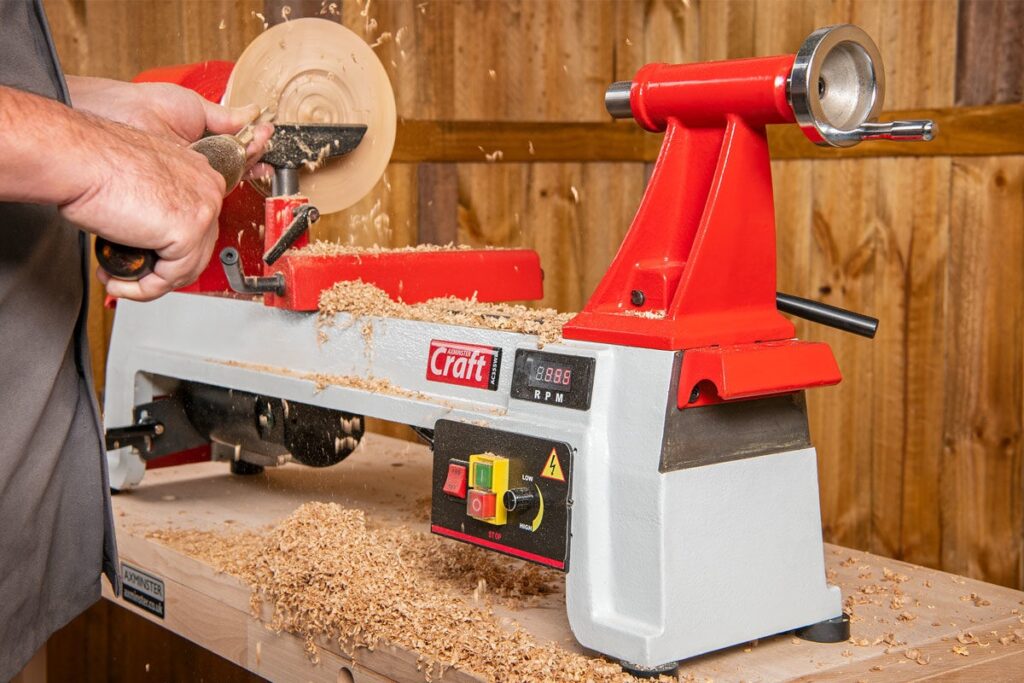

Are you thinking about setting up your first woodworking machines workshop? Perhaps you’re ready to upgrade your existing equipment but feel overwhelmed by the sheer number of options available? Or maybe you’re wondering whether that expensive table saw is really worth the investment?
In this guide, we’ll walk you through everything you need to know before purchasing woodworking machines. From understanding the key features that separate quality equipment from cheap knock-offs, to essential safety considerations and efficiency tips, we’ve got you covered. You’ll learn how to assess your workshop needs, what to look for in suppliers, and how to get the best return on your investment. Let’s get stuck into it.
Why Investing in Quality Woodworking Machines Matters
Quality machinery is the backbone of any successful woodworking machines operation. Cheap equipment might save you money upfront, but it often costs more in the long run through repairs, replacements, and wasted materials.
A well-built machine delivers consistent results, cut after cut. This precision matters whether you’re crafting bespoke cabinetry or producing items at scale. Plus, quality machines typically come with better safety features, reducing the risk of accidents in your workshop.
Understanding Your Workshop Needs Before You Buy
Before browsing catalogues or visiting showrooms, take a step back and assess what you actually need. Consider the types of projects you’ll tackle most frequently and the materials you’ll work with.
Space is another critical factor, especially for Australian workshops where real estate can be tight. Measure your available floor space and account for safe working clearances around each machine. Don’t forget about ceiling height, particularly for larger equipment like drill presses or bandsaw units.
Types of Woodworking Machines Explained
Essential Woodworking Machines for Beginners and Hobbyists
Starting out? You don’t need a workshop full of equipment to create impressive work. A quality table saw should be your first purchase it’s the workhorse of any woodworking machines setup. Add a reliable drill press and a router table, and you’ve got the foundation for countless projects.
Professional-Grade Equipment for Commercial Workshops
Commercial operations demand more robust machinery designed for heavy daily use. Industrial table saws, panel saws, and CNC routers become essential when production volume increases.
Consider spindle moulders for profile work, wide-belt sanders for efficient finishing, and edge banders if you’re producing cabinetry. These woodworking machines offer the precision and durability needed to maintain quality across high-volume production runs.
What Woodworking Machines Do I Need to Start a Workshop?
This depends entirely on your focus. A furniture maker needs different equipment than someone producing architectural joinery. Start with the essentials a table saw, planer/thicknesser, and a quality dust extraction system.
As your skills and business grow, add specialised woodworking machines that address specific bottlenecks in your workflow. There’s no need to buy everything at once; build your workshop strategically over time.
Key Features to Look for When Buying Woodworking Machines
Motor Power and Performance Specifications
Motor power directly impacts what materials you can work with and how quickly you can process them. For hobby use, a 2-3 horsepower motor on a table saw is usually sufficient. Commercial operations typically need 5 horsepower or more.
Pay attention to whether the motor is single-phase or three-phase. Also consider the motor type induction motors run cooler and quieter, while universal motors offer more power in a compact package.
Build Quality and Durability Considerations
Cast iron tables and bases indicate serious build quality. They absorb vibration, stay flat over time, and add the mass needed for stable operation. Machined surfaces should be smooth and free from defects.
Check the quality of fences, guides, and adjustment mechanisms. These components get constant use, so they need to be robust and precise. Wobbly fences or imprecise adjustments will frustrate you for years.
Woodworking Machines Safety: Protecting Yourself and Your Team
Essential Safety Features Every Machine Should Have
Every machine should include basic safety features such as emergency stop buttons within easy reach, blade guards, and proper guarding around moving parts. These aren’t optional extras they’re fundamental requirements.
Riving knives prevent kickback on table saws, while magnetic switches stop machines restarting automatically after a power outage. Look for woodworking machines that meet Australian safety standards and carry appropriate certification marks.
How Do I Safely Use Woodworking Machine?
Always read the manual before operating any new machine. This might seem obvious, but many accidents happen because operators don’t fully understand their equipment.
Never remove or bypass safety guards. Keep your workspace well-lit and uncluttered. Always use push sticks when feeding material through table saws, and never reach over or behind spinning blades. Maintain concentration most accidents occur when operators are tired, distracted, or rushing.
Personal Protective Equipment Requirements
Safety glasses are mandatory whenever woodworking machines are running. Hearing protection becomes essential with prolonged exposure to workshop noise. A quality dust mask or respirator protects your lungs from fine particles that extraction systems miss.
Avoid loose clothing, remove jewellery, and tie back long hair. Steel-capped boots protect your feet from falling timber and offcuts.
Efficiency and Productivity Considerations
How Can I Improve Efficiency in My Woodworking Workshop?
Workflow matters as much as equipment quality. Arrange machines logically to minimise material handling. Keep frequently used tools within arm’s reach and maintain a clutter-free environment.
Batch similar operations together rather than completing one piece at a time. Sharp blades and properly tuned woodworking machines work faster and produce better results with less effort.
Space-Saving Solutions for Small Workshops
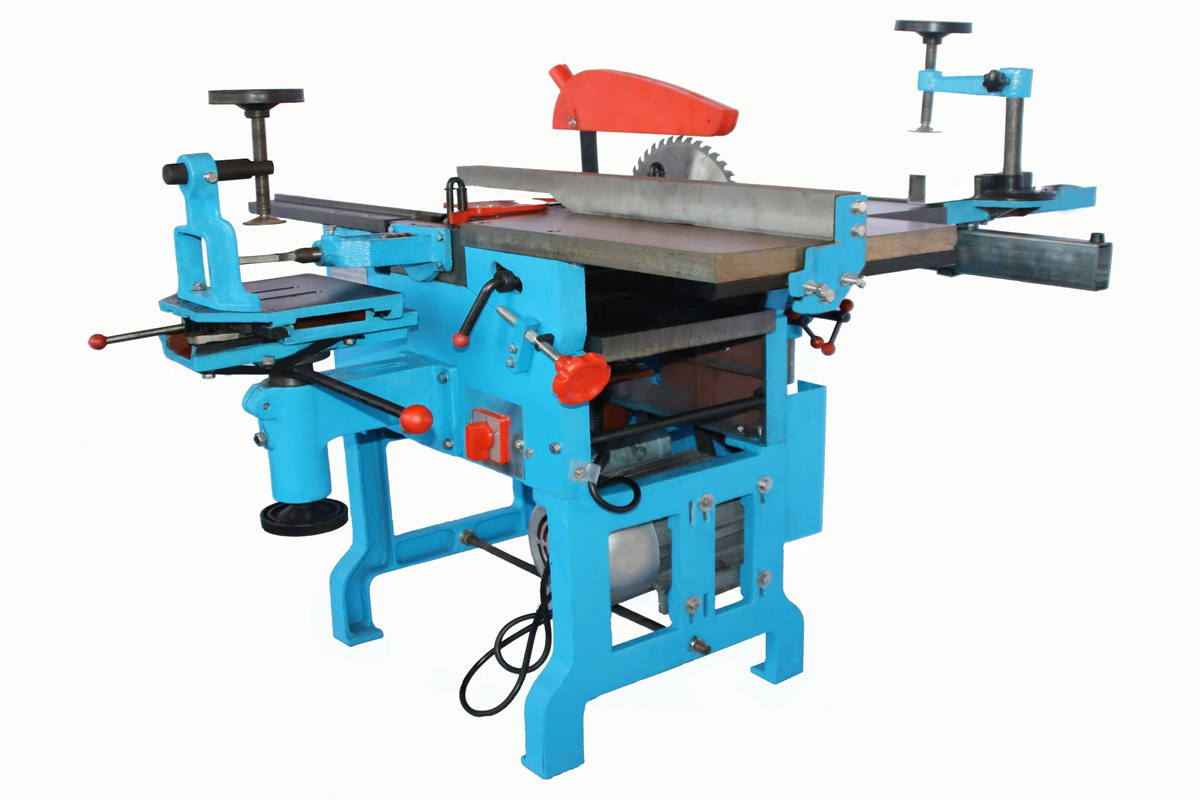
Mobile bases let you move heavy machinery when needed, effectively multiplying your floor space. Combination machines perform multiple functions in a single footprint though they do involve compromises.
Consider vertical storage for timber and wall-mounted tool storage to free up floor space. A well-organised small workshop can be surprisingly productive.
Budget and Value: Getting the Best Return on Investment
Are Expensive Woodworking Machines Worth the Investment?
Often, yes. Premium woodworking machines typically offer better precision, durability, and safety features. They hold their value better and cost less to maintain over time.
That said, the most expensive option isn’t always the best choice. Assess what you actually need paying extra for features you’ll never use doesn’t make financial sense.
Maintenance and Longevity
How Often Should Woodworking Machines Be Serviced?
Follow manufacturer recommendations as your baseline. Generally, daily checks should cover blade condition, guard function, and general cleanliness.
Monthly maintenance might include lubricating moving parts and checking belt tension. Annual servicing should involve thorough inspection and adjustment by a qualified technician.
Extending the Lifespan of Your Equipment
Keep machines clean and properly lubricated. Store them in dry conditions to prevent rust. Address minor issues promptly before they become major problems.
Use appropriate tooling and don’t force machines beyond their designed capacity. A well-maintained machine can last decades.
Common Maintenance Mistakes to Avoid
Skipping routine maintenance is the biggest mistake. Second is using incorrect lubricants or cleaning products that can damage seals or coatings.
Ignoring unusual sounds or vibrations often leads to expensive repairs. Address these warning signs immediately.
Conclusion
Buying woodworking machines are one of the most important investments you’ll make for your workshop. Getting it right means years of productive, safe operation. Getting it wrong can mean frustration, wasted money, and potentially serious injuries.
Take your time with this decision. Assess your genuine needs, understand the features that matter, and don’t compromise on safety. Quality equipment from reputable supplier’s costs more upfront but delivers far better value over time. Remember that the cheapest option rarely offers the best long-term economy.
Whether you’re setting up your first hobby workshop or expanding a commercial operation, the principles remain the same. Choose wisely, maintain diligently, and work safely. Your future self will thank you for the care you take today. Now get out there and start making something brilliant.