
Fashion choices often reflect priorities, routines, and spending habits. Many Indian men prefer budget fashion brands because these options balance price, style, and usefulness. Buyers want clothing and accessories that look sharp, feel comfortable, and fit regular budgets. They rarely seek excess when practical alternatives meet daily needs.
Budget fashion supports real-life purchasing patterns. Many men manage household costs, travel expenses, savings goals, and social commitments at the same time. Because of that, they often favour products that offer visible value without unnecessary pricing. Affordable fashion allows regular wardrobe updates while protecting financial discipline.
This shift does not signal low standards. It signals smarter buying behaviour built around utility, versatility, and long-term satisfaction.
Price Sensitivity Shapes Demand
Price remains one of the strongest influences in fashion retail. Many men compare cost before making final decisions, especially when buying shirts, jeans, shoes, watches, and casual wear. If two products offer similar appearance and comfort, buyers often select the lower-priced option.
Budget fashion brands respond well to this mindset. They provide trend-aware products at accessible prices, making style easier to maintain across seasons. Men can purchase multiple essentials rather than spend heavily on one item.
That approach feels practical. A wardrobe usually needs variety more than one expensive statement piece. Buyers know that repeated use matters more than prestige labels.
Practical Dressing Wins
Most men build wardrobes around daily life. They need office clothing, casual weekend wear, festive options, travel basics, and comfortable home pieces. Budget fashion brands often focus on these needs rather than dramatic runway styling.
A well-priced polo shirt, clean sneakers, durable denim, or neat formal shirt can serve many occasions. Men appreciate products that move smoothly between settings. Clothing that works for lunch meetings, evening plans, and family functions carries stronger value.
Practical dressing also reduces decision time. Neutral colours, classic fits, and easy-care fabrics help buyers assemble reliable wardrobes without effort.
Growing Awareness of Smart Spending
Consumers increasingly think in terms of value rather than status. They ask simple questions before purchasing. Does this item fit well? Will it last? Can it match several outfits? Is the price reasonable? If the answers are positive, expensive branding loses importance.
This behaviour has strengthened across urban and semi-urban markets. Men often prefer saving money for travel, gadgets, education, or investments while still maintaining polished appearance.
Budget fashion supports that balance. It allows people to look presentable without stretching finances. That combination creates lasting demand.
Wider Access Across Cities
Affordable brands reach more buyers because they operate through malls, high streets, local markets, and digital platforms. Accessibility matters in a country with diverse spending patterns and large geography.
When products remain available across multiple cities and towns, buyers develop trust and familiarity. They know where to find replacements, seasonal collections, or size exchanges. Easy availability encourages repeat purchases.
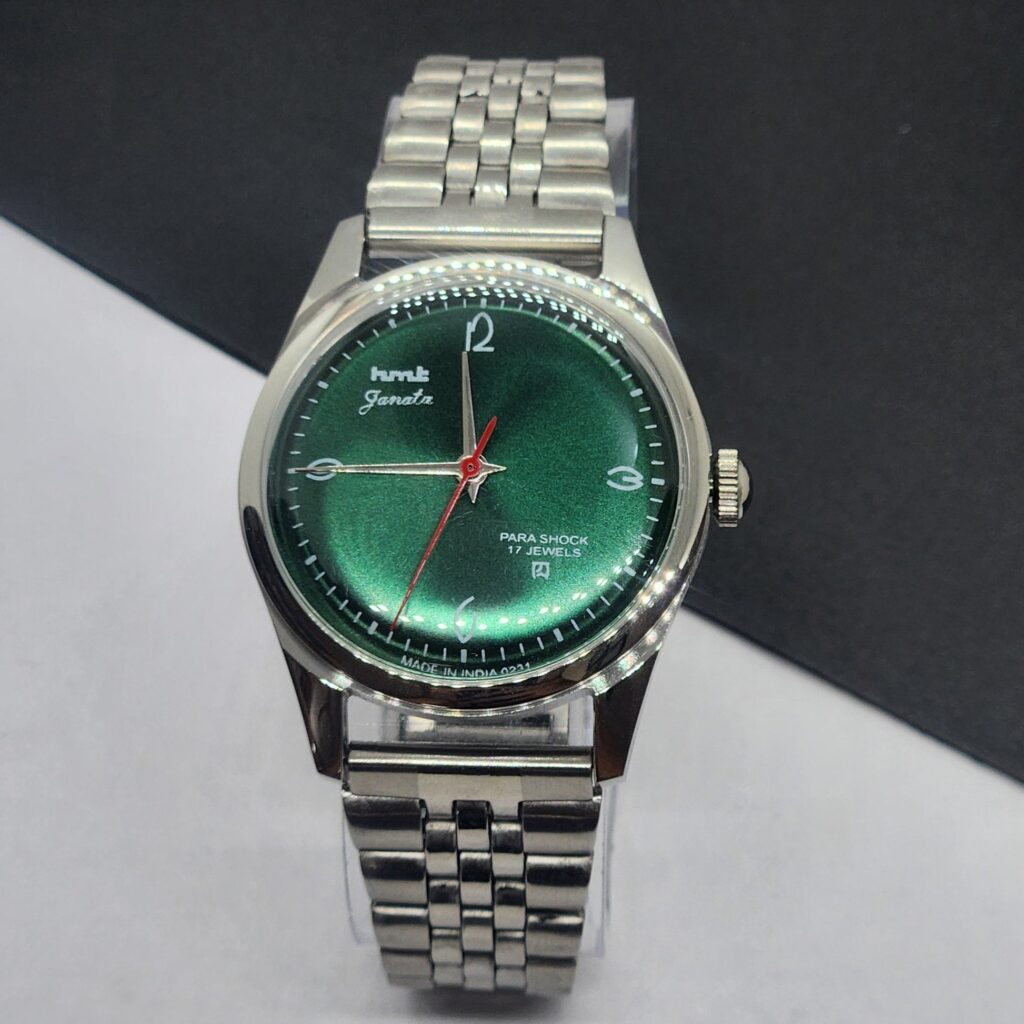
Online retail has amplified this effect. Men can compare prices, read size charts, and order essentials quickly. Some shoppers also search niche products using phrases like shop hmt watches online in India while combining affordable fashion purchases with classic accessories.
Fashion Without Social Pressure
Many men prefer subtle style rather than loud branding. They want clean looks that signal confidence through fit and grooming, not logo size. Budget fashion brands often deliver understated products that suit this preference.
Simple shirts, structured trousers, solid tees, and versatile jackets allow personal style without appearing forced. Men can dress well in offices, restaurants, and gatherings while staying comfortable and financially sensible.
This shift reflects maturity in fashion behaviour. Buyers increasingly separate appearance from price tags. They focus more on presentation than labels.
Fast Wardrobe Refresh Cycles
Fashion needs regular updates. Shirts fade, denim wears down, shoes age, and fits change over time. Affordable pricing helps men refresh wardrobes more often without hesitation.
Instead of delaying purchases for months, buyers can replace basics when needed. That keeps wardrobes neat and current. Fresh clothing also supports confidence during interviews, meetings, travel, and celebrations.
Budget fashion brands benefit because they align with this maintenance cycle. Men return repeatedly for basics, seasonal layers, and replacement essentials.
What Men Usually Seek?
Many buyers look for a clear mix of usefulness and appearance. Popular priorities include:
- Comfortable fabric for long wear
- Reliable stitching and durability
- Modern but balanced fits
- Neutral colours for easy pairing
- Reasonable prices
- Easy wash and care
- Size availability
- Convenient store access
- Online ordering options
- Consistent product quality
Brands that meet these needs often build strong loyalty.
Influence of Work Culture
Professional life shapes buying decisions strongly. Many offices expect neat presentation, yet not every workplace requires premium labels. Men therefore choose affordable clothing that looks sharp and fits properly.
Crisp shirts, smart chinos, plain loafers, and simple watches often meet workplace expectations easily. If budget options deliver polished appearance, buyers see little reason to overspend.
Hybrid work patterns also matter. Many people now mix office visits with remote schedules. That increases demand for versatile clothing that feels comfortable yet presentable.
Digital Retail Changed Habits
Online shopping has transformed fashion behaviour. Men can browse categories quickly, compare prices, read reviews, and place orders within minutes. This convenience favours budget brands because value comparisons become easier.
Digital promotions also influence decisions. Limited offers, bundled pricing, and seasonal sales encourage trial purchases. Once buyers receive good fit and quality, they often return.
Easy returns further reduce hesitation. Men who once avoided apparel shopping online now participate more confidently when exchanges feel simple.
Family and Social Priorities
Many buyers consider wider responsibilities before discretionary spending. Household planning, education costs, transport, and celebrations often rank higher than premium fashion purchases. Budget clothing allows men to stay stylish while respecting these priorities.
This mindset remains practical rather than restrictive. Men still care about appearance. They simply prefer measured spending that leaves room for broader goals.
Because affordable brands serve this balance well, they continue to attract stable demand across income segments.
Quality Expectations Have Risen
Budget no longer means basic in a negative sense. Many affordable products now offer better cuts, cleaner finishing, improved fabrics, and trend-aware styling. Buyers notice these improvements quickly.
As quality rises, the gap between premium and budget options narrows for everyday use. Men then evaluate purchases more critically. If comfort and appearance feel strong, they often choose the smarter price.
This competitive pressure pushes the whole market toward better standards.
Emotional Comfort in Sensible Choices
Buying wisely often creates satisfaction. Many men prefer knowing they managed money well while still dressing effectively. That emotional reward matters.
A shirt that looks sharp, fits well, and costs reasonably can feel more satisfying than an overpriced purchase that adds little extra value. Budget fashion brands benefit because they align with this practical mindset.
Consumers often return to brands that repeatedly deliver dependable outcomes.
Conclusion
Budget fashion will likely remain important because it matches real consumer behaviour. Men want style, flexibility, and confidence without wasteful spending. As retail options expand and product quality improves, affordable brands should keep gaining trust.
The strongest winners will combine value with fit consistency, cleaner design, and dependable service. Indian men increasingly reward brands that respect both appearance and budget. That pattern should continue as fashion choices become more thoughtful and results-driven.
FAQs
1. Why do Indian men choose budget fashion brands?
Many Indian men choose budget fashion brands because they offer practical pricing, modern styling, and daily comfort. Buyers often prefer balancing appearance with savings goals. Affordable clothing also allows more wardrobe variety, which makes regular dressing easier without creating unnecessary pressure on monthly budgets or household planning.
2. Does budget fashion mean poor quality?
No. Budget fashion does not automatically mean poor quality. Many affordable products now feature improved fabrics, cleaner stitching, and better fits. Buyers compare value carefully, so brands must maintain standards. Strong quality at fair prices often drives repeat purchases and positive word-of-mouth across customer groups consistently.
3. Are budget brands popular only in smaller cities?
No. Budget brands attract buyers in metros, growing cities, and towns alike. Urban shoppers often seek value despite higher incomes because they compare many options online. Smaller markets value affordability and access. Broad appeal across regions gives budget fashion a stable and expanding customer base.
4. Why does online shopping help budget brands?
Online platforms make price comparison fast and simple. Buyers can review sizes, read ratings, and spot offers without travel. This transparency benefits budget brands because shoppers clearly see value. Convenient delivery and exchange options also reduce hesitation when ordering clothing or footwear digitally for routine needs.
5. Do professionals buy budget fashion?
Yes. Many professionals choose budget fashion for office wear because neat presentation depends more on fit, grooming, and coordination than price alone. Affordable shirts, trousers, and shoes can look polished when selected well. Buyers often reserve higher spending for other priorities or special occasions instead.
6. How does family budgeting affect fashion choices?
Family budgeting often shapes discretionary spending. Men may allocate funds toward education, transport, savings, housing, or celebrations before premium clothing. Budget fashion allows them to maintain a respectable wardrobe while protecting broader financial priorities. This balance strongly influences repeat buying decisions across many households regularly.
7. What products sell most in budget fashion?
Everyday essentials usually sell best. Popular categories include shirts, tees, jeans, chinos, sneakers, sandals, wallets, belts, and casual jackets. Buyers prefer items they can wear frequently across work and leisure settings. Strong demand often comes from versatile basics rather than dramatic trend-driven pieces.
8. Do younger buyers prefer budget labels too?
Yes. Younger buyers often choose budget labels because they like frequent wardrobe updates without overspending. Affordable prices let them test colours, fits, and trends more easily. Students and early-career professionals especially value options that look current while remaining manageable within personal budgets and monthly limits.
9. Can budget fashion look stylish?
Absolutely. Style depends on fit, colour coordination, grooming, and confidence more than price tags. A clean shirt, proper trousers, and neat shoes can create a sharp impression at modest cost. Many men intentionally choose simple affordable clothing because it looks refined and easy to wear.
10. Will demand for budget fashion keep growing?
Demand will likely stay strong because value remains important across income groups. As product quality improves and online access expands, more buyers will consider affordable options first. Brands that deliver consistent sizing, reliable durability, and appealing designs should continue gaining long-term trust and steady sales.