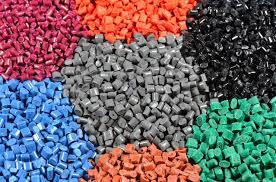

Plastic recycling has become an important part of modern industry. It helps reduce waste, protect the environment, and save natural resources. One of the most useful products of recycling is plastic recycled granules. These small, pellet-like materials are widely used in manufacturing new plastic products.
In this blog, we will explain everything about plastic recycled granules in a very simple way. You will learn about their types, grades, uses, and how to choose the right one for your needs.
What Are Plastic Recycled Granules?
Plastic recycled granules are small plastic pellets made from used or waste plastic materials. These materials are collected, cleaned, melted, and reshaped into granules. These granules can then be used again to make new plastic products.
They are a cost-effective and eco-friendly alternative to virgin plastic. Many industries prefer them because they reduce production costs and help protect the environment.
Why Are Plastic Recycled Granules Important?
Plastic waste is a big problem worldwide. Recycling helps solve this issue by turning waste into useful material. Here are some key benefits of plastic recycled granules:
- Reduce plastic waste in landfills and oceans
- Save natural resources like crude oil
- Lower production costs for manufacturers
- Reduce energy consumption compared to new plastic production
- Support sustainable manufacturing
Because of these benefits, many industries are now shifting toward using recycled plastic materials.
How Are Plastic Recycled Granules Made?
Understanding the process helps you better understand the quality and types of granules.
1. Collection
Plastic waste is collected from homes, industries, and commercial areas.
2. Sorting
Different types of plastics are separated based on their properties.
3. Cleaning
The plastic is washed to remove dirt, labels, and impurities.
4. Shredding
Clean plastic is cut into small pieces.
5. Melting
The shredded plastic is melted at high temperatures.
6. Extrusion and Cutting
The melted plastic is passed through machines and cut into small granules.
Types of Plastic Recycled Granules
There are different types of plastic recycled granules based on the type of plastic used. Each type has its own properties and uses.
1. Polyethylene (PE) Granules
Polyethylene is one of the most common plastics.
a) Low-Density Polyethylene (LDPE)
- Soft and flexible
- Used in plastic bags, films, and packaging
- Easy to process
b) High-Density Polyethylene (HDPE)
- Strong and durable
- Used in bottles, containers, and pipes
- Resistant to chemicals
2. Polypropylene (PP) Granules
- Lightweight and strong
- Heat-resistant
- Used in automotive parts, furniture, and packaging
- Common in household products
3. Polyethylene Terephthalate (PET) Granules
- Transparent and strong
- Used in water bottles and food containers
- Good for packaging applications
4. Polyvinyl Chloride (PVC) Granules
- Durable and weather-resistant
- Used in pipes, cables, and construction materials
- Available in rigid and flexible forms
5. Polystyrene (PS) Granules
- Lightweight and rigid
- Used in disposable cups, packaging foam, and insulation
- Easy to mold
6. Acrylonitrile Butadiene Styrene (ABS) Granules
- Strong and impact-resistant
- Used in electronics, automotive parts, and toys
- Known for good finish and durability
Grades of Plastic Recycled Granules
Plastic recycled granules are also classified into different grades. The grade depends on quality, purity, and usage.
1. Injection Molding Grade
- Used for making molded products
- High flow and smooth finish
- Suitable for containers, toys, and household items
2. Blow Molding Grade
- Used to make hollow products
- Ideal for bottles and containers
- Requires good strength and flexibility
3. Film Grade
- Used in making plastic films and sheets
- Flexible and stretchable
- Used in packaging and carry bags
4. Extrusion Grade
- Used for pipes, wires, and profiles
- Requires strong and consistent flow
- Suitable for continuous production processes
5. Raffia Grade
- Used in woven products like sacks and bags
- Strong and lightweight
- Common in agriculture and packaging industries
Factors That Affect the Quality of Granules
Not all plastic recycled granules are the same. Their quality depends on several factors:
1. Source of Raw Material
Better-quality waste produces better granules.
2. Cleaning Process
Proper cleaning removes impurities and improves quality.
3. Sorting Accuracy
Mixing different plastics can reduce strength and performance.
4. Processing Technology
Advanced machines produce uniform and high-quality granules.
5. Additives Used
Some granules include additives to improve color, strength, or flexibility.
Applications of Plastic Recycled Granules
Plastic recycled granules are used in many industries. Here are some common applications:
1. Packaging Industry
- Plastic bags
- Bottles
- Containers
2. Construction Industry
- Pipes
- Flooring materials
- Insulation
3. Automotive Industry
- Interior parts
- Panels
- Bumpers
4. Household Products
- Buckets
- Chairs
- Storage boxes
5. Agriculture
- Drip irrigation pipes
- Plastic sheets
- Fertilizer bags
Advantages of Using Plastic Recycled Granules
Using recycled plastic granules offers many benefits:
Cost-Effective
They are cheaper than virgin plastic.
Eco-Friendly
They help reduce pollution and waste.
Energy Saving
Less energy is required to produce them.
Versatile
They can be used in many applications.
Easy Availability
Recycled plastic is widely available.
Limitations of Plastic Recycled Granules
While they have many benefits, there are also some limitations:
Quality Variation
Quality may vary depending on the source.
Limited Strength
Sometimes weaker than virgin plastic.
Color Limitations
May not always have a consistent color.
Contamination Risk
Improper processing can lead to impurities.
How to Choose the Right Plastic Recycled Granules
Choosing the right granules is very important for good product quality.
1. Know Your Application
Different applications need different types and grades.
2. Check Material Type
Select the correct plastic type like PE, PP, or PET.
3. Verify Quality
Check for uniform size, color, and cleanliness.
4. Ask for Testing Reports
Ensure the granules meet industry standards.
5. Consider Cost vs Quality
Do not compromise too much on quality for lower price.
Tips for Better Use of Recycled Granules
- Store granules in a clean and dry place
- Avoid mixing different types of plastics
- Use proper machinery settings
- Test small batches before large production
- Work with reliable suppliers
Future of Plastic Recycling
The demand for plastic recycled granules is growing rapidly. Governments and industries are focusing more on sustainability.
New technologies are improving the quality of recycled plastics. Many companies are investing in better recycling systems. This means recycled granules will become even more reliable and widely used in the future.
Conclusion
Plastic recycling is a smart and responsible way to manage waste. Plastic recycled granules play a key role in this process by turning waste into useful material. Understanding the different types and grades helps industries make better choices and produce high-quality products.
By choosing the right granules, businesses can save costs, improve efficiency, and contribute to environmental protection. Reliable suppliers ensure consistent quality and performance.
If you are looking for trusted solutions in this field, Duha Industries provides high-quality recycled plastic granules that meet various industrial needs while supporting sustainable practices.