
At NephCure, we are dedicated to helping individuals and families better understand rare and complex kidney conditions. Knowledge is a powerful tool, especially when it comes to recognizing early signs and making informed decisions about your health.
In this article, we will explore igan kidney disease, take a closer look at membranous nephropathy symptoms, and explain apol1 kidney disease symptoms in a clear and approachable way. Our goal is to provide valuable information that supports awareness, early detection, and better outcomes.
What Is IgAN Kidney Disease?
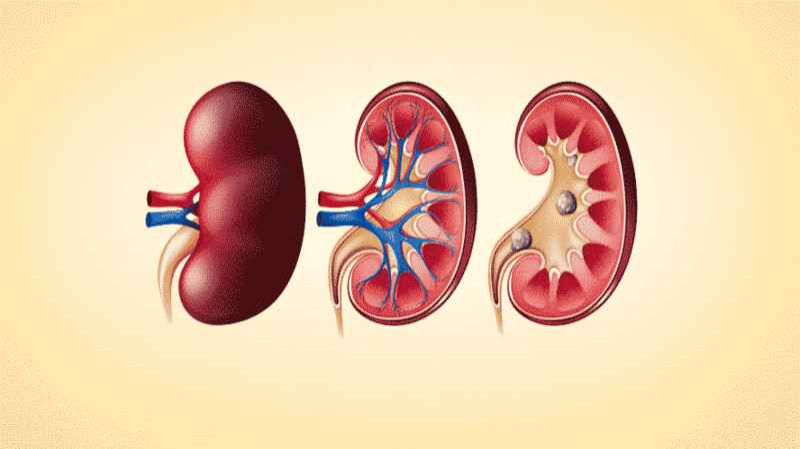
IgA Nephropathy, often referred to as IgAN kidney disease, is a condition that affects the kidneys’ filtering units. It occurs when a type of antibody called immunoglobulin A builds up in the kidneys, leading to inflammation and gradual damage.
This buildup can interfere with the kidneys’ ability to properly filter waste and excess fluid from the blood. Over time, it may lead to scarring and reduced kidney function.
At NephCure, we emphasize that IgAN kidney disease can develop slowly, often without obvious symptoms in the early stages. This is why regular testing and awareness are so important.
Early detection allows healthcare providers to monitor the condition closely and begin treatment sooner, which can help slow progression and protect kidney function.
Recognizing IgAN Kidney Disease Symptoms
Understanding the signs of IgAN kidney disease is essential for early intervention.
Some individuals may notice blood in their urine, which can appear as pink, red, or tea-colored urine. This is often one of the earliest indicators of the condition.
Foamy urine may also occur, which is a sign of protein in the urine. This happens when the kidneys begin to lose their filtering ability.
Swelling in the hands, feet, or around the eyes is another common symptom. This occurs due to fluid retention in the body.
High blood pressure is frequently associated with IgAN kidney disease and can contribute to further kidney damage if not managed properly.
Fatigue and general feelings of weakness may also develop as kidney function declines.
At NephCure, we encourage individuals to pay attention to these signs and consult a healthcare provider if they notice any unusual changes.
Understanding Membranous Nephropathy Symptoms
Membranous Nephropathy is another kidney condition that affects the glomeruli, the tiny filtering units of the kidneys. It often leads to thickening of the glomerular membrane and significant protein loss in the urine.
Common Membranous Nephropathy Symptoms
Membranous nephropathy symptoms can develop gradually and may not be noticeable in the early stages.
One of the most common symptoms is swelling, also known as edema. This often appears in the legs, ankles, and around the eyes due to excess fluid accumulation.
Foamy urine is another key sign, indicating that large amounts of protein are being lost through the urine. This condition is called proteinuria and is a hallmark of kidney damage.
Fatigue is also frequently reported, as the body works harder to maintain balance when kidney function is impaired.
Some individuals may experience weight gain due to fluid retention, as well as increased susceptibility to infections due to protein loss.
In more advanced cases, high cholesterol levels may also occur, further impacting overall health.
At NephCure, we stress the importance of recognizing membranous nephropathy symptoms early, as timely diagnosis can lead to more effective management and better outcomes.
Exploring APOL1 Kidney Disease Symptoms
APOL1 Kidney Disease is a type of kidney disease linked to variations in the APOL1 gene. This condition is more commonly seen in individuals of African ancestry and can increase the risk of developing kidney problems.
Common APOL1 Kidney Disease Symptoms
APOL1 kidney disease symptoms can vary widely depending on the severity and progression of the condition.
One of the earliest signs may be protein in the urine, which can lead to foamy urine. This indicates that the kidneys are not filtering properly.
Swelling in the body, especially in the lower extremities and around the eyes, is another common symptom caused by fluid buildup.
High blood pressure is often associated with APOL1 kidney disease and can worsen kidney damage if not properly managed.
As the disease progresses, individuals may experience fatigue and decreased kidney function, which can eventually lead to more serious complications if left untreated.
Because APOL1 kidney disease is genetic, symptoms may develop earlier or progress differently compared to other types of kidney disease.
At NephCure, we support increased awareness and research into genetic kidney diseases to help improve diagnosis and treatment options.
The Connection Between These Conditions
Understanding igan kidney disease, recognizing membranous nephropathy symptoms, and identifying apol1 kidney disease symptoms are all important parts of managing kidney health.
While these conditions are different, they share common signs such as protein in the urine, swelling, and high blood pressure. Recognizing these symptoms early can lead to quicker diagnosis and more effective treatment.
Regular check-ups and lab tests play a crucial role in detecting kidney disease before it progresses. Early intervention can significantly improve outcomes and help preserve kidney function.
At NephCure, we encourage individuals to stay informed and take an active role in their healthcare journey.
How NephCure Supports Patients and Families
NephCure is dedicated to supporting individuals affected by rare kidney diseases like IgAN kidney disease, membranous nephropathy, and APOL1-related conditions.
We provide educational resources to help individuals understand membranous nephropathy symptoms and apol1 kidney disease symptoms, while also raising awareness about the importance of early detection.
Our organization supports research aimed at improving diagnosis and developing more effective treatments. We also work to connect patients with healthcare providers and support networks.
By empowering patients with knowledge, we aim to improve outcomes and ensure that no one faces kidney disease alone.
Taking the Next Step
If you or a loved one is experiencing symptoms or has concerns about kidney health, it is important to take action early.
Learning about igan kidney disease, recognizing membranous nephropathy symptoms, and understanding apol1 kidney disease symptoms can help guide your next steps and improve your overall awareness.
Always consult with a qualified healthcare professional for diagnosis and treatment recommendations, and consider reaching out to NephCure for additional support and resources.
Final Thoughts
Kidney disease can feel complex, but understanding it can make a real difference. By learning about igan kidney disease, staying aware of membranous nephropathy symptoms, and recognizing apol1 kidney disease symptoms, individuals can take proactive steps toward better health.
At NephCure, we are here to educate, support, and empower you every step of the way. Together, we can raise awareness, improve care, and build a brighter future for those affected by kidney disease.