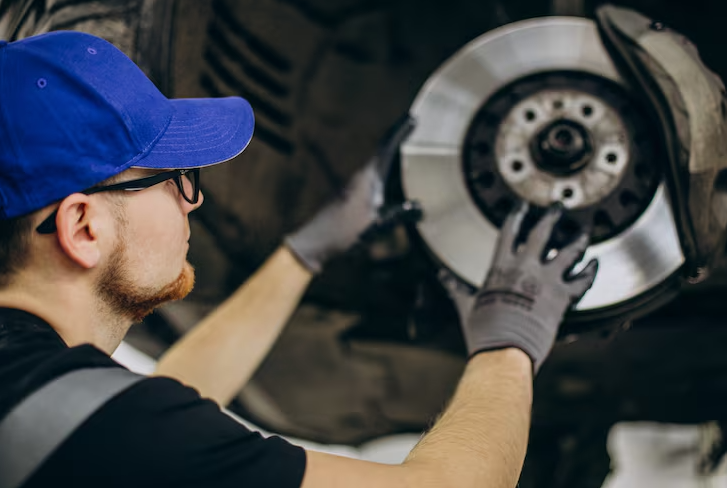

Your vehicle’s braking system depends on several components working together, and one of the most important is the brake line. When damage occurs, timely brake line repair becomes essential to maintain safe stopping power and prevent serious road risks. Brake lines carry hydraulic fluid from the master cylinder to the brake calipers or wheel cylinders. If they fail, brake pressure drops and stopping performance can become dangerously weak. Understanding what causes brake line damage and how it can be repaired helps drivers avoid expensive breakdowns and stay safer behind the wheel.
What Are Brake Lines and Why Do They Matter?
Brake lines are metal tubes and flexible hoses that transport brake fluid under pressure. When you press the brake pedal, fluid moves through these lines and activates the braking components at each wheel. Because the system depends on sealed hydraulic pressure, even a small leak can reduce braking efficiency.
Modern vehicles typically use steel lines for rigid sections and rubber or braided hoses for areas requiring movement. These parts face heat, moisture, vibration, debris, and wear over time. Since brake lines are exposed under the vehicle, they can gradually weaken if not inspected regularly.
Rust and Corrosion from Moisture Exposure
One of the most common reasons brake lines fail is rust. Metal brake lines are constantly exposed to rainwater, humidity, road salt, and mud. Over time, moisture can eat through protective coatings and begin corroding the steel underneath.
This problem is especially common in areas with wet weather or where roads are salted during winter. Corroded lines may develop weak spots, pinhole leaks, or sudden ruptures under pressure.
Repair Solution
If rust is limited to a small section, technicians may replace the damaged portion using approved fittings and new tubing. If corrosion is widespread, complete line replacement is usually the safest option. Applying rust protection and washing the undercarriage regularly can help prevent future damage.
Road Debris and Physical Impact
Brake lines run beneath the vehicle, making them vulnerable to stones, gravel, branches, and road debris. Driving over rough roads or hitting objects can dent, crush, or scrape the lines. Even minor impacts may weaken the tubing enough to cause future leaks.
Low-clearance vehicles and off-road driving conditions often increase this risk. Damage may not be visible immediately, but repeated vibration can worsen the affected area.
Repair Solution
A mechanic will inspect the line for cracks, dents, and fluid seepage. Bent or crushed sections should be replaced rather than straightened. Protective routing clips and shields may also be installed if needed.
Aging Rubber Brake Hoses
While metal lines often rust, flexible rubber hoses tend to crack and weaken with age. These hoses are located near the wheels and move as the suspension turns or travels over bumps. Years of heat exposure, road grime, and repeated flexing can dry out the rubber.
Signs of hose wear include surface cracks, swelling, soft spots, or leaks. Internally collapsed hoses may also restrict brake fluid flow, causing uneven braking.
Repair Solution
Worn hoses should be replaced immediately. Many vehicle owners choose upgraded rubber or braided stainless-steel hoses for improved durability and pedal feel. Replacing hoses in pairs can help maintain balanced braking performance.
Poor Installation or Previous Repairs
Brake lines must be installed carefully with correct bends, secure mounting, and leak-free fittings. Poor workmanship during earlier repairs can lead to premature failure. Lines routed too close to exhaust components may overheat, while loose lines can rub against suspension or body parts.
Incorrect flaring or low-quality fittings may also leak under pressure.
Repair Solution
If installation errors are found, the damaged section should be replaced and rerouted properly. Professional repairs using vehicle-approved materials are critical because braking systems require precision and safety compliance.
Vibration and Constant Movement
Vehicles create continuous vibration from the engine, road surfaces, and suspension travel. Over time, this movement can fatigue brake lines, especially where lines are unsupported or mounted incorrectly. Repeated flexing may create hairline cracks or loosen connections.
This issue is more common in older vehicles or those driven frequently on rough roads.
Repair Solution
Technicians inspect brackets, clips, and mounting points to ensure the lines are secure. Damaged sections are replaced, and missing supports are restored to reduce vibration stress.
Brake Fluid Contamination
Brake fluid absorbs moisture over time. When fluid becomes contaminated, internal corrosion may develop inside metal lines and other hydraulic components. Dirty fluid can also damage seals and reduce braking responsiveness.
Neglected brake fluid can shorten the life of the entire braking system.
Repair Solution
A brake fluid flush removes old contaminated fluid and replaces it with fresh fluid recommended by the manufacturer. If internal rust has already damaged the lines, replacement may also be necessary.
Extreme Heat Exposure
Brake lines located near exhaust systems or performance braking components may be exposed to excessive heat. High temperatures can accelerate hose deterioration, dry out rubber materials, and affect fluid quality.
Heat damage may appear as hardened hoses, brittle surfaces, or fluid boiling under severe braking conditions.
Repair Solution
Heat-damaged hoses or lines must be replaced. Mechanics may also inspect heat shields and routing paths to keep lines away from excessive temperature sources.
Warning Signs of Brake Line Problems
Brake line damage often gives early warnings before total failure. Drivers should never ignore these symptoms:
- Soft or spongy brake pedal
- Brake fluid puddles under the vehicle
- Brake warning light on dashboard
- Vehicle pulling while braking
- Longer stopping distances
- Reduced pedal pressure
- Visible rust or cracked hoses
If any of these signs appear, the vehicle should be inspected immediately.
Why Immediate Repair Is Important
Driving with damaged brake lines creates serious safety risks. A small leak can quickly become a complete loss of hydraulic pressure. In emergency situations, that delay in stopping can lead to collisions or loss of control.
Early repairs are usually less expensive than waiting for major damage. Replacing one weakened section or hose is far cheaper than repairing accident damage or replacing multiple failed brake components later.
How to Prevent Future Brake Line Damage
Preventive care can significantly extend brake line life. Smart maintenance habits include:
- Schedule regular brake inspections
- Flush brake fluid at recommended intervals
- Wash the underside of the vehicle after driving on salted roads
- Fix leaks immediately
- Replace aging hoses before failure
- Avoid driving over debris when possible
- Have repairs done by qualified technicians
Routine inspections help identify rust, cracking, and leaks before they become emergencies.
Choosing the Right Repair Approach
Not every brake line issue requires the same solution. Some vehicles need a short section replaced, while others need full line restoration. The right repair depends on corrosion level, line material, hose condition, and overall system health.
A professional inspection ensures the repair meets safety standards and restores full hydraulic pressure. Temporary fixes or patch attempts should never be trusted on braking systems.
Final Thoughts
Brake line damage can result from rust, debris impact, age, vibration, contaminated fluid, or poor installation. Since brake lines are essential for safe stopping, even minor wear should be addressed quickly. Recognizing early warning signs and scheduling timely inspections can prevent dangerous failures on the road. Whether replacing a worn hose or restoring corroded tubing, prompt attention protects both the vehicle and its occupants. Keeping your braking system in top condition starts with regular maintenance and dependable brake service.