
A sudden, sharp pain in your mouth can disrupt your entire day. Acute tooth pain is surprisingly common, yet it is often misunderstood or ignored until it becomes unbearable. While you might be tempted to hope the discomfort simply disappears, ignoring a throbbing tooth can lead to far more severe health complications down the line.
Acute tooth pain refers to any sharp, sudden, or persistent ache originating from a tooth or the surrounding gums. It serves as your body’s internal alarm system, signalling that something is wrong. The pain can range from a mild sensitivity when you eat a cold piece of ice cream to a constant, pulsating ache that keeps you awake all night.
Addressing tooth pain promptly is absolutely essential. A minor ache can rapidly escalate into a severe infection if left untreated. By understanding the common triggers and knowing your relief options, you can take immediate action to protect your oral health and get back to your normal routine.
Common Causes of Acute Tooth Pain
Several factors can cause a toothache. Understanding the root of the problem is the first step towards finding effective relief.
Tooth Decay and Cavities
Bacteria in your mouth feed on sugars from your diet, producing acids that wear away your tooth enamel. This creates holes, known as cavities. When a cavity becomes deep enough to reach the sensitive inner layers of your tooth, it causes sharp pain.
Gum Disease (Gingivitis and Periodontitis)
Poor oral hygiene can lead to an accumulation of plaque along the gum line. This causes gingivitis, an inflammation of the gums. If left untreated, it progresses to periodontitis, a severe infection that damages the soft tissue and bone supporting your teeth, leading to significant discomfort.
Abscessed Tooth
An abscess is a pocket of pus caused by a bacterial infection. It typically occurs at the root of the tooth or between the gum and the tooth. An abscessed tooth causes severe, throbbing pain, and you may also notice swelling or a foul taste in your mouth.
Cracked or Chipped Tooth
Biting down on hard foods, accidents, or sports injuries can cause a tooth to crack or chip. Even a microscopic fracture can expose the sensitive nerves inside your tooth, resulting in a sharp, jabbing pain when you chew.
Sensitive Teeth
If you experience a fleeting ache when eating hot, cold, sweet, or highly acidic foods, you likely have sensitive teeth. This happens when the protective enamel wears down, exposing the underlying layer called dentine.
Wisdom Teeth Issues
As your wisdom teeth try to push through the gums, they often become impacted or stuck. Food and bacteria can easily become trapped under the gum flap covering an impacted wisdom tooth, causing painful infections and swelling.
Sinus Infections
Your upper teeth sit very close to your sinus cavities. When your sinuses become inflamed and congested due to an infection, the pressure can easily radiate to your upper jaw, mimicking the symptoms of a standard toothache.
Temporomandibular Joint (TMJ) Disorders
Your temporomandibular joint connects your jaw to your skull. Disorders affecting this joint or the surrounding muscles can cause dull, aching pain in your mouth that feels remarkably similar to a toothache.
Immediate Relief Options
While you are waiting to see a dentist, there are several ways to manage your discomfort at home. Keep in mind that these are temporary solutions and will not cure the underlying issue.
Over-the-counter Pain Relievers
Standard pain relief medications, such as ibuprofen or paracetamol (acetaminophen), can help reduce inflammation and ease your discomfort. Always follow the dosage instructions on the packaging.
Cold Compress
Applying a cold compress to the outside of your cheek can numb the area and reduce swelling. Wrap a bag of ice or frozen vegetables in a clean towel and hold it against your jaw for 15 to 20 minutes at a time.
Saltwater Rinse
Salt is a natural disinfectant. Rinsing your mouth with warm saltwater can help reduce inflammation and clean out any debris stuck between your teeth. Dissolve half a teaspoon of salt in a glass of warm water, swish it around your mouth for 30 seconds, and spit it out.
Clove Oil
Clove oil contains eugenol, a natural anaesthetic and antibacterial agent. Soak a small cotton ball in a few drops of clove oil and gently apply it to the painful area for temporary numbing relief.
Avoiding Trigger Foods and Drinks
To prevent further irritation, avoid chewing on the side of your mouth that hurts. Steer clear of extremely hot, cold, sweet, or acidic foods and beverages until you can get a proper diagnosis.
Professional Treatment Options
Home remedies can only do so much. To truly resolve the issue, you will need to seek professional dental pain care. Your dentist will examine your mouth, possibly take X-rays, and recommend the best course of action.
- Dental Filling: If your pain is caused by a cavity, your dentist will remove the decayed portion of the tooth and fill the space with a durable material to restore its structure.
- Root Canal: When a cavity or crack reaches the inner pulp of the tooth, a root canal is necessary. The dentist removes the infected nerve tissue, cleans the inside of the tooth, and seals it to prevent future infections.
- Tooth Extraction: Dentists always try to save your natural teeth. However, if a tooth is severely damaged or decayed beyond repair, extracting it may be the only way to stop the pain and halt the spread of infection.
- Gum Disease Treatment: For gum-related pain, your dentist might perform a deep cleaning procedure called scaling and root planing to remove plaque and tartar from below the gum line.
- Nightguards for Bruxism: If you grind your teeth at night, a custom-fitted nightguard can protect your teeth from excessive wear and reduce jaw pain.
- Antibiotics for Infections: If you have an abscess or a severe bacterial infection, your dentist will likely prescribe a course of antibiotics to eliminate the bacteria and reduce swelling.
Prevention Strategies
The best way to handle a toothache is to prevent it from happening in the first place. A proactive approach to your oral health will save you time, money, and discomfort.
Regular Dental Check-ups and Cleanings
Visit your dentist at least twice a year. Professional cleanings remove hardened plaque that your toothbrush cannot reach, and routine exams allow your dentist to spot early signs of decay before they become painful problems.
Good Oral Hygiene Practices
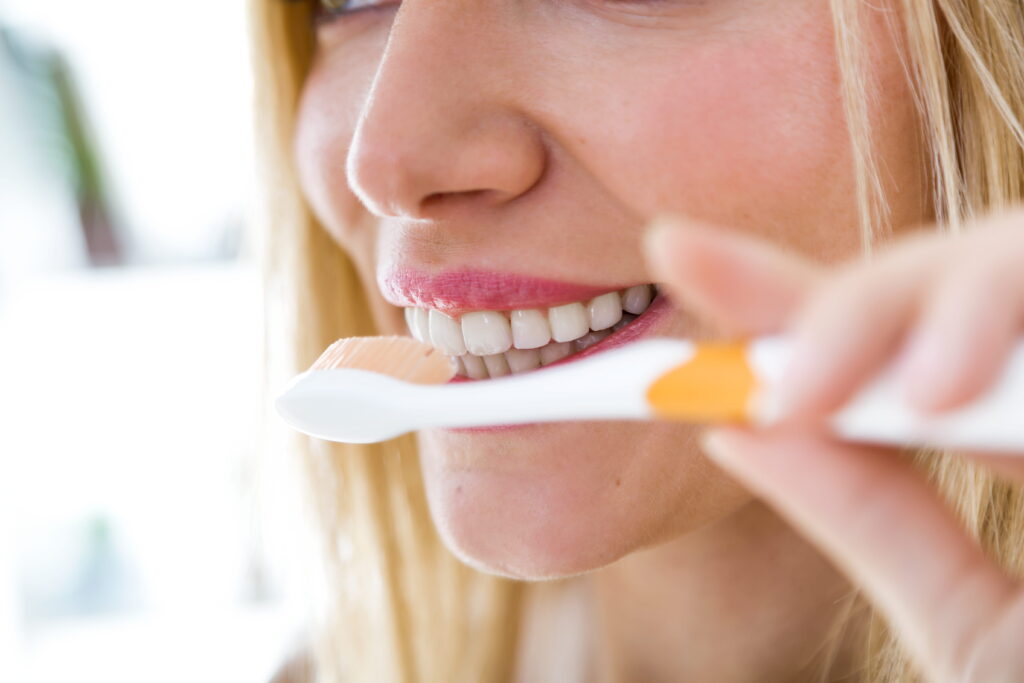
Brush your teeth twice a day using a fluoride toothpaste and a soft-bristled brush. Floss daily to remove food particles and plaque from between your teeth and along the gum line.
Healthy Diet
Limit your intake of sugary snacks and acidic beverages. Choose a balanced diet rich in vegetables, fruits, and water to help keep your enamel strong and your gums healthy.
Avoiding Teeth Grinding
If you catch yourself clenching your jaw during the day, practice relaxation techniques to reduce stress. If you grind your teeth at night, speak to your dentist about getting a protective nightguard.
When to See a Dentist
Some toothaches require urgent medical attention. Do not delay seeking help if you experience any of the following symptoms:
- Persistent or severe pain: A toothache that lasts longer than 48 hours or is severe enough to disrupt your sleep needs professional evaluation.
- Swelling or fever: Swelling in your face or gums, accompanied by a fever, strongly indicates a spreading bacterial infection.
- Difficulty chewing or swallowing: If pain restricts your ability to open your mouth, chew your food, or swallow comfortably, you should contact an emergency dentist immediately.
Take Control of Your Dental Health
Acute tooth pain is a clear warning sign that your mouth needs attention. Whether the discomfort stems from a simple cavity, a cracked tooth, or an underlying sinus infection, ignoring the problem will only make it worse. By understanding the common causes and utilizing safe home remedies, you can manage your discomfort temporarily.
However, true relief requires a professional diagnosis. Be proactive about your oral hygiene, schedule regular dental check-ups, and listen to your body when it signals that something is wrong. Book an appointment with your dentist today to ensure your smile remains healthy and pain-free for years to come.