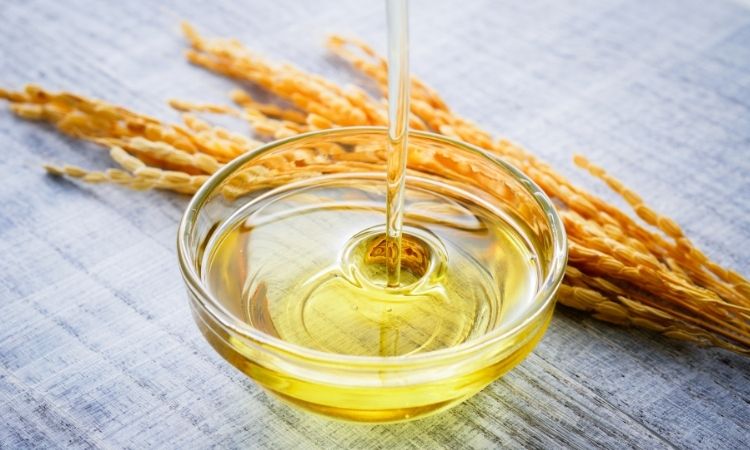

Rice bran oil, often called the “golden oil,” is gaining rapid acclaim as a superior cooking oil that combines rich nutrition with a delicate taste. Extracted from the outer layer of the rice grain—the bran—this oil is much more than a kitchen staple; it’s a powerhouse of health benefits wrapped in a mild, pleasant flavor that enhances any dish. As health-conscious living rises worldwide, rice bran oil is emerging as a favorite choice among culinary experts, nutritionists, and home cooks alike.
Expert Market Research: A Growing Focus on Health and Sustainability
According to Expert Market Research, the increasing global awareness about healthy eating habits and sustainable food sources is propelling the adoption of rice bran oil. Their research highlights a growing consumer preference for oils that not only promote wellness but also have minimal environmental impact during production.
Expert Market Research points out that rice bran oil’s ability to be sourced as a by-product of rice milling makes it a sustainable option compared to oils requiring intensive cultivation. Additionally, the rising trend of clean-label and functional foods is encouraging manufacturers and consumers alike to favor rice bran oil for its natural health benefits and versatile culinary uses.
What Makes Rice Bran Oil So Special?
Rice bran oil is unique because it carries a perfect balance of nutrients and a high smoke point, making it ideal for all types of cooking—from stir-frying and deep-frying to sautéing and salad dressings. Its mild, nutty flavor does not overpower dishes but rather complements the natural taste of ingredients.
One of the key nutritional highlights of rice bran oil is its rich content of antioxidants, including oryzanol, a compound exclusive to rice bran oil. Oryzanol is known for its ability to lower cholesterol and promote heart health. Besides oryzanol, this oil contains vitamin E, tocopherols, and tocotrienols, all of which act as potent antioxidants protecting the body from harmful free radicals.
Heart Health and Beyond: The Nutritional Profile
What truly sets rice bran oil apart is its well-rounded fatty acid profile. It contains a balanced mix of monounsaturated and polyunsaturated fats, which are considered heart-friendly. These good fats help reduce LDL cholesterol (the “bad” cholesterol) and maintain HDL cholesterol (the “good” cholesterol) in the bloodstream. Furthermore, rice bran oil’s high smoke point—approximately 232°C (450°F)—means it maintains its nutritional properties even under high-temperature cooking, unlike many other oils that degrade and form harmful compounds.
Research has also indicated that rice bran oil may help regulate blood sugar levels, boost immunity, and support skin health, thanks to its natural antioxidants and anti-inflammatory properties.
Cooking Versatility: From Everyday Meals to Gourmet Dishes
Rice bran oil’s versatility is a major draw for chefs and home cooks. It blends seamlessly into a wide range of recipes. Its neutral yet subtly nutty flavor allows it to shine in light salad dressings while standing up to robust frying and roasting without breaking down.
For traditional cuisines, especially in Asia, rice bran oil has long been a staple. Its gentle flavor enhances stir-fries, tempuras, and deep-fried delicacies with a crisp, golden finish. Western kitchens are increasingly embracing rice bran oil for sautéing vegetables, searing meats, and baking, appreciating how it elevates dishes without overwhelming the palate.
A Natural Ally for Skin and Wellness
Beyond the kitchen, rice bran oil is also prized in the world of skincare and wellness. Its antioxidant-rich composition makes it a popular ingredient in natural beauty products, offering hydration and protection against premature aging. The oil’s ability to nourish skin without clogging pores has led to its use in moisturizers, massage oils, and hair care formulations.
Regular use of rice bran oil in cooking or as part of a skincare regimen can contribute to overall vitality, supporting both internal health and external glow.
Environmental Edge: Sustainability in Every Drop
Rice bran oil holds a unique position as an eco-friendly choice. Since it is extracted from the bran layer, which is a by-product of rice milling, utilizing it reduces waste and maximizes the value extracted from rice grains. This circular approach aligns with sustainable food production goals by making efficient use of agricultural resources.
The oil’s extraction process has also evolved to minimize environmental impact, with cold-pressed and solvent-free methods gaining popularity among conscious consumers seeking pure and ethically produced products.