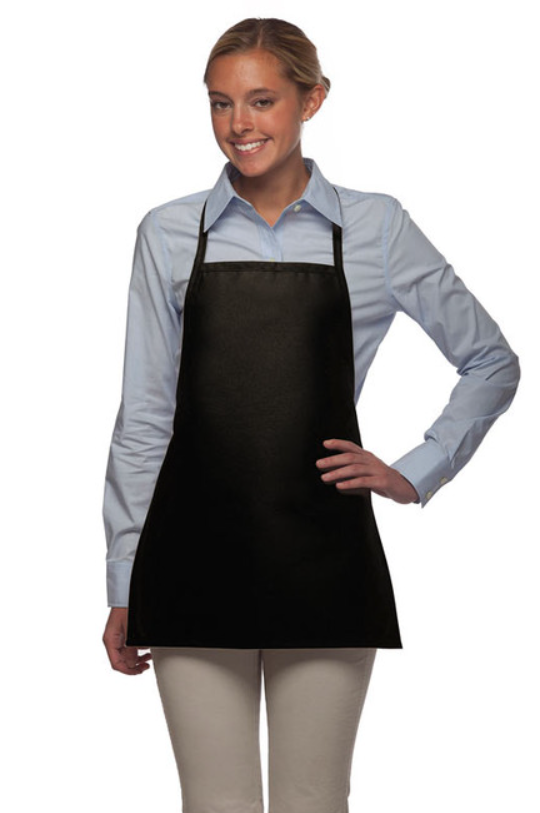

A white apron has long been recognized as a symbol of professionalism, cleanliness, and dedication to craft. Whether worn in kitchens, bakeries, laboratories, or creative studios, this simple garment carries a timeless appeal that few workwear items can match. For decades, workers across different industries have relied on aprons to protect their clothing while maintaining a neat and professional appearance. Among all apron styles available today, white continues to hold a special place because of its clean look and traditional significance.
While work environments continue to evolve with new tools and technology, the white apron remains constant. Its practicality, simplicity, and visual appeal make it an essential part of work attire for chefs, bakers, artists, and many other professionals. This guide explores the lasting relevance of the white apron and explains why it continues to be a preferred choice in modern workplaces.
The Historical Roots of the White Apron
Aprons have been used for centuries as protective garments. Early craftsmen, cooks, and laborers wore aprons made from durable fabrics to shield their clothing from stains and wear. Over time, the color white became associated with hygiene and professionalism, especially in occupations where cleanliness was critical.
In culinary settings, white garments—including aprons and chef coats—became standard attire. The color allowed stains and spills to be noticed quickly, encouraging workers to maintain high standards of cleanliness. This tradition spread to bakeries, restaurants, and food preparation areas where hygiene is essential.
Outside the kitchen, white aprons also appeared in medical environments, laboratories, and certain service industries. Their clean appearance signaled trust, discipline, and attention to detail. Even as modern fabrics and styles developed, the classic white apron continued to represent professionalism and order.
A Symbol of Cleanliness and Precision
One of the main reasons white aprons remain popular is the strong visual connection to cleanliness. White is often associated with purity, clarity, and hygiene. In workplaces where sanitation is important, this color communicates that standards are taken seriously.
For example, in food preparation environments, workers must maintain strict cleanliness to ensure safe handling of ingredients. A white apron quickly reveals spills, stains, or residue, prompting immediate cleaning or replacement. This simple feature helps maintain a higher level of hygiene compared to darker garments that may hide stains.
In laboratories and medical spaces, the color white also reflects precision and discipline. A spotless apron shows that a worker pays attention to detail and takes pride in maintaining a clean environment.
Practical Protection for Everyday Tasks
Beyond its symbolic value, the white apron serves an important practical purpose. It acts as a protective barrier between clothing and the tasks being performed. Cooking, baking, crafting, painting, and other activities often involve splashes, spills, and debris that can easily damage everyday clothing.
A good apron protects shirts and pants from oil, flour, sauces, paint, dust, or chemicals. This protection allows workers to focus on their tasks without worrying about ruining their clothes.
Most aprons are designed with features that increase functionality, including:
-
Large front coverage to protect the torso and upper legs
-
Durable fabrics that withstand repeated washing
-
Adjustable straps for comfort and fit
-
Pockets for holding tools, towels, or utensils
These features make the apron more than just a uniform accessory. It becomes an essential tool that supports efficiency and convenience during daily work.
A Professional Look That Never Fades
Another reason white aprons remain widely used is their professional appearance. The color white pairs easily with different uniforms and work outfits. Whether someone is wearing a chef coat, casual kitchen attire, or a workshop outfit, the apron blends naturally with the overall look.
This versatility allows businesses to maintain a clean and consistent appearance among staff members. Restaurants, bakeries, and catering services often choose white aprons because they create a polished and organized atmosphere.
A neatly worn apron also communicates responsibility and pride in one’s work. Customers often associate well-maintained uniforms with reliability and quality service. For many businesses, the apron becomes part of the brand identity that customers recognize.
Versatility Across Many Professions
Although commonly linked with cooking, the white apron serves many industries beyond the kitchen. Its simple design and practical purpose make it useful in various settings.
Culinary Professionals
Chefs, bakers, and kitchen assistants rely on aprons to protect against spills and heat while maintaining a professional look.
Artists and Craftspeople
Painters, potters, and artisans use aprons to shield their clothing from paint, clay, and other creative materials.
Laboratory Workers
Scientists and technicians often wear protective garments that function similarly to aprons when handling chemicals or equipment.
Service Industry Staff
Cafés, bakeries, and food stalls frequently use aprons as part of staff uniforms, combining functionality with a tidy presentation.
The ability to adapt to so many roles demonstrates the apron’s long-lasting relevance.
Durability and Easy Maintenance
Another factor behind the lasting popularity of white aprons is their durability. Most aprons are made from cotton, polyester blends, or heavy-duty fabrics designed for repeated washing and daily use.
Since white garments can easily show stains, they are typically manufactured to withstand frequent laundering. High-quality aprons maintain their shape and structure even after many washes. This durability ensures they remain reliable workwear for long periods.
Proper care also keeps them looking fresh and professional. Regular washing, stain treatment, and correct storage can significantly extend the lifespan of an apron. With simple maintenance, a white apron can remain crisp and functional through months or even years of use.
The Role of Aprons in Building Work Habits
Work clothing often influences how people approach their tasks. Wearing an apron can create a sense of readiness and focus. When someone ties an apron before starting a task, it signals the beginning of a work process.
This small routine helps establish discipline and structure, especially in environments where efficiency matters. In kitchens, for example, preparing for work often involves putting on a clean apron, organizing tools, and setting up ingredients.
This simple garment becomes part of a larger workflow that promotes order and productivity. Over time, workers begin to associate the apron with concentration and responsibility.
Style Meets Function
Even though aprons are primarily designed for practical purposes, they also contribute to style. Many people appreciate the simple elegance of a clean white garment paired with professional attire.
Modern apron designs combine traditional elements with updated features. Some include cross-back straps for comfort, reinforced stitching for durability, and multiple pockets for convenience. These improvements allow the apron to remain useful while adapting to contemporary work needs.
The balance between function and style explains why aprons remain relevant despite changing fashion trends. Their simple design continues to meet the demands of both traditional and modern workplaces.
Why the White Apron Still Matters
Certain pieces of workwear remain popular because they consistently deliver value. The white apron is one such example. Its ability to combine protection, professionalism, and practicality has helped it remain relevant for generations.
Workers rely on it to keep their clothing clean, businesses appreciate its professional appearance, and customers often associate it with quality service. Few garments manage to serve so many purposes while maintaining such a timeless design.
From bustling restaurant kitchens to creative studios and workshops, the apron continues to support people who take pride in their craft.
Conclusion
The white apron has proven its value through decades of practical use and professional tradition. Its clean appearance, protective function, and versatility make it an essential piece of workwear across multiple industries. While many workplace tools and garments have changed over time, the apron remains a reliable and recognizable symbol of dedication and craftsmanship.
Professionals who value organization, hygiene, and efficiency continue to rely on aprons every day. Whether used in cooking, crafting, or service roles, this simple garment continues to support productivity and professionalism. For those seeking dependable workwear that blends tradition with practicality, choosing an adult white apron remains a timeless and sensible option.