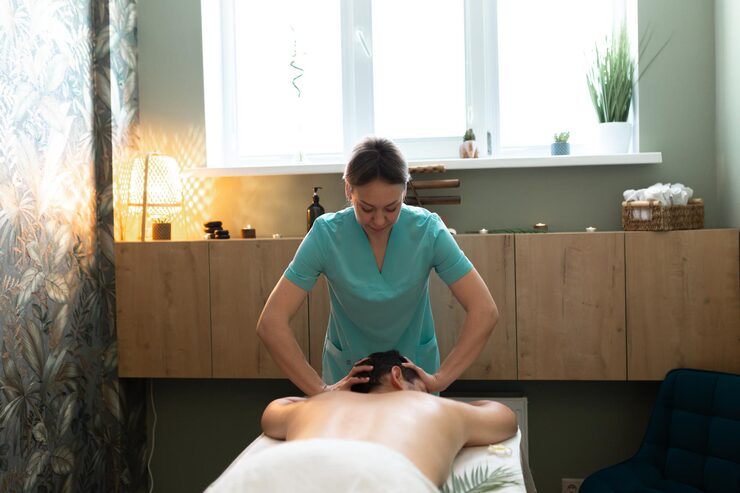

Muscle pain does not wait for a convenient time. It shows up on a Monday morning, mid-presentation, or after a long commute. If you live or work in the city core, finding a registered massage therapist Toronto Downtown is one of the most practical decisions you can make for your health.
This guide breaks down everything you need to know from what RMTs actually do, to what conditions they treat, how sessions work, and when to book one.
What Makes an RMT Different from a Regular Massage?
Most people assume all massages are the same. It is not.
A Registered Massage Therapist holds a protected professional title in Ontario. They complete a minimum of 2,200 hours of clinical training. They pass written and practical exams regulated by the College of Massage Therapists of Ontario (CMTO). They carry liability insurance and follow strict standards of care.
An unregistered massage provider has none of these requirements. They are not accountable to a governing body. Most extended health insurance plans will not cover their sessions either. When you book with an RMT, you receive regulated healthcare — not just a service.
You can verify any therapist’s credentials on the CMTO public register before your first appointment.
Common Conditions a Registered Massage Therapist Treats
People visit an RMT for many reasons. Some come in with a specific injury. Others deal with chronic pain they have ignored for months. Here are the most common conditions treated through registered massage therapy Toronto clinics handle daily:
Musculoskeletal pain — back pain, neck stiffness, shoulder tension, and hip tightness from sedentary work or physical activity.
Headaches and migraines — muscle tension in the neck and upper back often triggers recurring headaches. Massage addresses the root cause, not just the symptom.
Sports injuries — strains, sprains, and overuse injuries heal faster with targeted soft tissue therapy alongside physiotherapy or chiropractic care.
Postural imbalances — long hours at a desk change how your body holds itself. An RMT identifies and treats those compensatory patterns before they become chronic.
Pregnancy-related discomfort — prenatal massage reduces lower back pain, leg cramps, and swelling at every stage of pregnancy.
Stress and anxiety — massage lowers cortisol levels measurably. Regular sessions improve sleep quality, reduce mental fatigue, and support emotional balance.
That last point matters more than most people realize. The connection between body tension and mental load is real. When your muscles hold stress, your mind cannot fully release it either.
How Registered Massage Therapy Supports Mental Health
There is growing clinical recognition of massage therapy’s role in mental wellness. Registered massage therapy Toronto practitioners work with patients managing anxiety, burnout, and chronic stress not as a replacement for mental health therapy Toronto offers through psychologists or therapists, but as a meaningful complement to it.
When your nervous system is stuck in a state of tension, it affects mood, focus, sleep, and energy. Massage directly signals the body to shift from a stress response to a recovery state. Cortisol drops. Serotonin and dopamine levels rise. That biochemical shift is not cosmetic — it is measurable.
For people managing high-pressure careers, demanding schedules, or ongoing anxiety, consistent RMT sessions create a physical reset that supports mental clarity. Many patients report sleeping better, feeling less reactive, and recovering from stress faster.
If you are already working with a mental health provider, ask whether adding massage therapy to your care plan makes sense. Many integrative clinics coordinate both.
What Happens During Your First RMT Session
Your first appointment is not just a massage. It is an assessment.
Your therapist reviews your health history, current medications, and any previous injuries. They identify areas of tension, restricted movement, or postural concern. Then they design a treatment plan specific to your body and your goals.
During the session, your comfort and boundaries are always respected. You control how much pressure is applied. You stay draped appropriately throughout. Nothing happens without your consent.
After treatment, your therapist may recommend stretches, postural adjustments, or a follow-up schedule. That guidance is part of the clinical process — not a sales pitch.
Acute issues often improve within one to three sessions. Chronic conditions typically benefit from weekly appointments for the first four to six weeks, followed by monthly maintenance once symptoms stabilize.
How to Choose the Right Registered Massage Therapist Toronto Downtown
Downtown Toronto has hundreds of clinics. Not all of them are equal. Here is how to narrow your search with confidence.
Always confirm CMTO registration first. Use the public registry and search the therapist’s name directly. Active registration is non-negotiable.
Look for a therapist who specializes in your specific concern. Sports recovery, prenatal care, chronic pain, and lymphatic drainage each require different training. A generalist can help, but a specialist will get you better results faster.
Choose a clinic that integrates other healthcare services. When your RMT works alongside physiotherapists, chiropractors, and kinesiologists, your recovery is coordinated — not fragmented.
Check whether the clinic offers direct billing to your insurance provider. It removes out-of-pocket friction and makes regular care far more accessible.
Insurance, Pricing, and What to Budget
RMT sessions are not covered by OHIP. They are, however, covered by most employer-provided extended health benefit plans. Coverage limits vary, but most plans allocate between $300 and $1,000 annually for massage therapy.
Session pricing in downtown Toronto typically ranges from $75 for a 30-minute appointment to $155 or more for a 90-minute session. Specialized treatments like hot stone therapy or cupping carry slightly higher rates.
RMT receipts also qualify as a medical expense on your annual tax return. Keep every receipt.
Your Next Step Starts Here — Book with HealthOne
If you have been putting this off, consider this your nudge. Pain that gets ignored does not resolve on its own. The longer soft tissue injuries go untreated, the more your body compensates in ways that create new problems.
As a registered massage therapist Toronto Downtown destination, HealthOne brings together RMTs, physiotherapists, chiropractors, and kinesiologists under one roof. Every treatment plan is built around your specific condition and recovery goals, not a generic template.
Spots fill quickly, especially for early morning and evening appointments. Visit us today and take the first step toward real, lasting relief.
Frequently Asked Questions
Do I need a doctor’s referral to see an RMT?
No referral is required to book a session. However, some insurance plans may need one for reimbursement. Check your benefit plan before your first appointment.
How often should I see a registered massage therapist?
For acute pain or injury, weekly sessions for the first four to six weeks work best. For general maintenance and stress management, once or twice a month is typically enough.
Is registered massage therapy covered by insurance?
Most extended health benefit plans cover RMT sessions. OHIP does not. Contact your provider to confirm your annual limit and any documentation requirements.
Can massage therapy help with anxiety and poor sleep?
Yes. Massage lowers cortisol and encourages the release of serotonin and dopamine. Regular sessions meaningfully improve sleep quality and reduce anxiety for many patients.
What should I wear or bring to my first RMT appointment?
You do not need to bring anything special. Wear comfortable clothing. Your therapist will walk you through the health history form and explain exactly what to expect before the session begins.