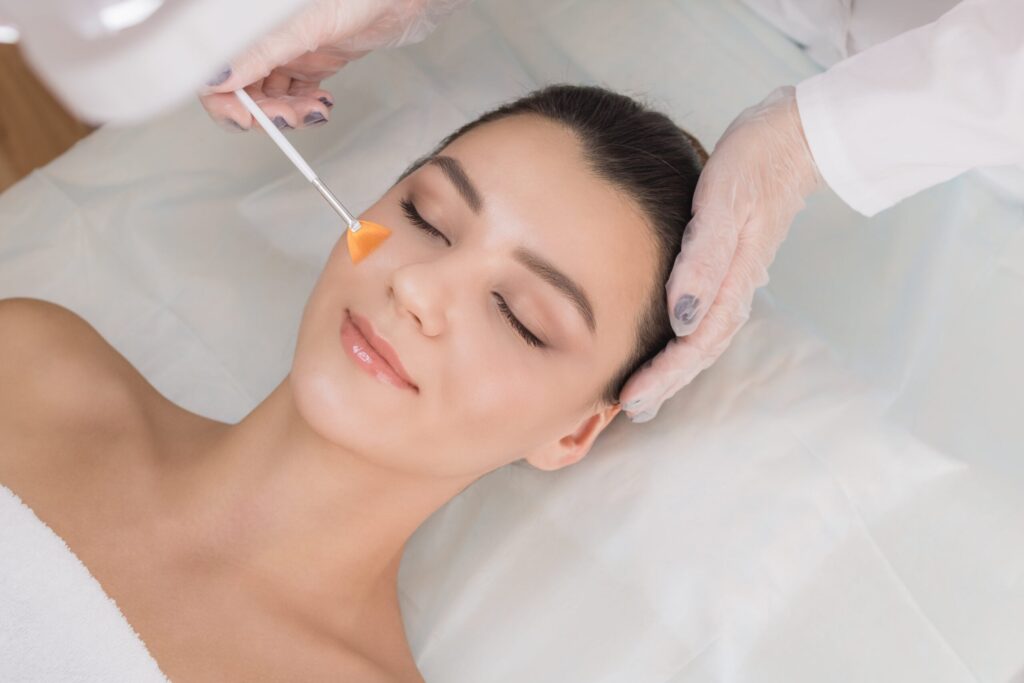

Preparing properly before any cosmetic skin procedure can significantly influence both the treatment experience and the final results. Skin rejuvenation treatments work best when the skin is healthy, balanced, and protected from irritation before the session begins. Many people choosing Cold Peeling in Riyadh are interested in achieving smoother texture, brighter tone, and fresher-looking skin with minimal downtime. However, proper preparation is essential to help the skin respond well to the procedure while reducing the risk of irritation, excessive sensitivity, or uneven healing. Understanding the right pre-treatment steps can make the recovery process smoother and improve the overall effectiveness of the treatment.
Understand How Cold Peeling Works:
Before undergoing a cold peeling session, it is important to understand the basic purpose and function of the treatment. Cold peeling is designed to encourage skin renewal through controlled exfoliation while minimizing aggressive irritation or heat exposure. The treatment helps remove dead skin cells, improve texture, and support healthier skin regeneration. Because the skin becomes temporarily more sensitive during the process, preparing the skin barrier beforehand can help reduce discomfort and improve treatment outcomes. Having realistic expectations about gradual improvements and recovery also contributes to a more positive experience.
Schedule a Professional Skin Assessment:
A professional skin evaluation is one of the most important preparation steps before any peeling procedure. Every individual has unique skin concerns, sensitivity levels, and treatment goals that may influence how the procedure should be performed. During a consultation, skincare professionals typically assess:
- Skin type and condition
- Existing pigmentation or acne concerns
- History of skin sensitivity
- Current skincare products
- Previous cosmetic treatments
- Presence of active irritation or infection
This assessment helps determine whether cold peeling is suitable and allows the treatment plan to be adjusted according to the skin’s needs.
Avoid Excessive Sun Exposure Before Treatment:
Sun exposure can make the skin more sensitive and increase the risk of irritation or uneven pigmentation after a peeling procedure. Spending too much time in direct sunlight before treatment may compromise the skin barrier and make recovery more difficult. Patients are usually advised to minimize tanning and consistently apply sunscreen in the days leading up to the session. Protecting the skin from UV damage helps create a healthier treatment surface and supports safer healing after the procedure.
Stop Using Harsh Skincare Products:
Strong exfoliating products and irritating skincare ingredients should generally be avoided before a cold peeling appointment. Over-exfoliating the skin before treatment can weaken the skin barrier and increase sensitivity during the procedure. Products commonly paused before treatment often include:
- Retinoids or retinol creams
- Strong exfoliating acids
- Physical scrubs
- Benzoyl peroxide treatments
- Harsh acne products
- Alcohol-based toners
Allowing the skin to calm and stabilize before the session can reduce the likelihood of irritation and support a smoother recovery process.
Keep the Skin Well Hydrated:
Hydrated skin often responds better to cosmetic treatments because a healthy moisture barrier improves resilience and recovery. Dehydrated skin may feel tighter, more sensitive, or prone to irritation during exfoliation procedures. Drinking adequate water and using gentle moisturizers before treatment can help maintain skin balance. Many individuals preparing for Cold Peeling in Riyadh are encouraged to focus on barrier-supporting skincare routines in the days leading up to the session to help optimize treatment comfort and effectiveness.
Avoid Waxing and Hair Removal Treatments:
Hair removal procedures such as waxing, threading, or depilatory creams can make the skin more vulnerable and sensitive before a peeling session. Since cold peeling already exfoliates the surface layer of the skin, combining it with recent hair removal may increase the risk of irritation or redness. Patients are often advised to avoid facial hair removal treatments for several days before their appointment. Giving the skin enough time to recover from any form of irritation helps create safer conditions for the peeling procedure.
Inform the Specialist About Skin Conditions and Medications:
Open communication with the skincare professional is essential before treatment. Certain medical conditions, allergies, or medications may affect how the skin reacts to exfoliation procedures. Patients should inform the specialist about:
- Active acne infections
- Cold sores or herpes history
- Eczema or rosacea
- Recent cosmetic treatments
- Prescription skincare products
- Medications affecting skin sensitivity
This information allows the provider to make appropriate adjustments and reduce the risk of complications during or after treatment.
Avoid Trying New Skincare Products:
Experimenting with unfamiliar skincare products shortly before a peeling session can increase the risk of allergic reactions, irritation, or breakouts. Even products marketed as gentle may affect the skin differently depending on the individual. It is usually best to maintain a stable skincare routine in the days before treatment rather than introducing new serums, masks, or exfoliants. A calm and balanced skin barrier creates better conditions for the procedure and recovery process.
Prepare for Mild Post-Treatment Effects:
Although cold peeling is considered less aggressive than some resurfacing procedures, temporary side effects are still possible after treatment. Preparing mentally and practically for mild peeling or dryness can make the experience more comfortable. Common short-term effects may include:
- Slight redness
- Tight or dry skin
- Mild flaking
- Temporary sensitivity
- Increased sun sensitivity
- Light peeling around certain areas
Planning recovery time and having gentle skincare products available beforehand can help support smoother healing.
Follow Pre-Treatment Instructions Carefully:
Every peeling procedure may involve slightly different preparation guidelines depending on the patient’s skin type and treatment intensity. Following professional instructions carefully is one of the best ways to improve safety and results. Ignoring preparation advice may increase irritation risks or delay healing after the procedure. Patients who carefully follow skincare recommendations, hydration advice, and sun protection guidelines often experience better comfort and more consistent outcomes during recovery.
Maintain Healthy Lifestyle Habits Before the Session:
General wellness habits can also influence how the skin responds to cosmetic treatments. Stress, poor sleep, dehydration, and unhealthy lifestyle choices may affect skin healing and sensitivity levels. Helpful pre-treatment habits often include:
- Drinking enough water
- Getting adequate sleep
- Eating balanced meals
- Limiting smoking or alcohol intake
- Managing stress levels
- Maintaining a consistent skincare routine
Healthy habits support the body’s natural healing processes and can contribute to improved skin recovery after the session.
Final Thoughts:
Proper preparation before a cold peeling session can greatly improve both the treatment experience and the final skin results. By protecting the skin barrier, avoiding irritation, and following professional guidance, patients can help ensure smoother recovery and more effective rejuvenation outcomes. Many individuals interested in Cold Peeling in Riyadh appreciate the treatment’s gentle approach to exfoliation and skin renewal, but successful results still depend heavily on careful pre-treatment care. With the right preparation and realistic expectations, cold peeling can become a valuable part of a healthy and effective skincare routine.