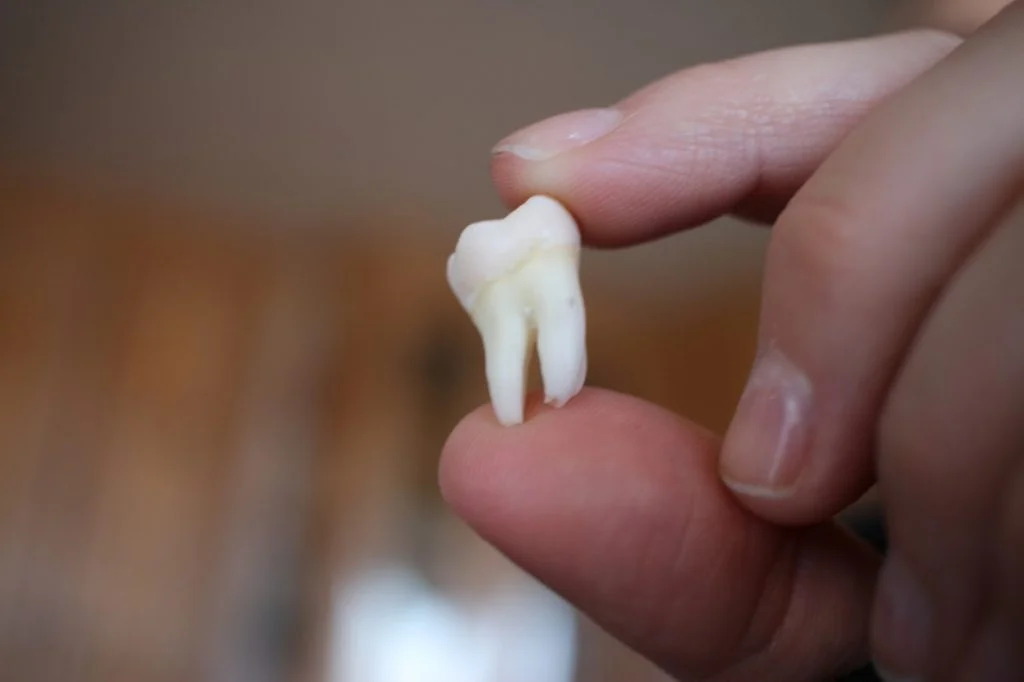

Wisdom tooth pain has a way of arriving unannounced—sometimes as a dull ache, sometimes as sharp discomfort that disrupts eating, speaking, and even sleep. If you’ve been told you need a wisdom tooth extraction, it’s natural to feel anxious. The good news? While the idea of removal may sound intimidating, the procedure is common, safe, and often the quickest path to long-term relief.
This guide walks you through everything you need to know from why wisdom teeth cause trouble to what happens during extraction and how to recover comfortably.
What Are Wisdom Teeth and Why Do They Cause Problems?
Wisdom teeth are the third set of molars that usually emerge between the ages of 17 and 25. While some people are lucky enough to have them grow in properly, many face complications due to lack of space in the jaw.
Common problems include:
- Impaction: The tooth gets trapped under the gum or bone
- Crowding: Other teeth shift due to limited space
- Infection: Partially erupted teeth can trap food and bacteria
- Pain and swelling: Often the first noticeable symptoms
When these issues arise, dentists typically recommend extraction to prevent further complications.
Signs You Might Need a Wisdom Tooth Extraction
Not all wisdom teeth need removal, but certain symptoms shouldn’t be ignored:
- Persistent pain at the back of your mouth
- Swollen, red, or bleeding gums
- Difficulty opening your mouth or chewing
- Bad breath or unpleasant taste (sign of infection)
- Jaw stiffness or headaches
If you’re experiencing any of these, it’s time to consult a dental professional.
Preparing for the Procedure
Before the extraction, your dentist or oral surgeon will examine your teeth, often using X-rays to assess the position of your wisdom teeth. Based on this, they’ll determine whether a simple extraction or a minor surgical procedure is needed.
Preparation tips:
- Follow instructions about eating or fasting (especially if sedation is planned)
- Arrange for someone to accompany you home after the procedure
- Inform your dentist about any medications or medical conditions
Knowing what to expect can significantly reduce anxiety.
What Happens During Wisdom Tooth Extraction?
The procedure itself is straightforward and usually completed within 30 to 60 minutes.
Here’s a simplified breakdown:
- Anesthesia: Local anesthesia numbs the area; in some cases, sedation or general anesthesia is used
- Accessing the tooth: If the tooth is impacted, a small incision may be made in the gum
- Removal: The tooth may be removed in one piece or divided into sections for easier extraction
- Closing the site: Stitches may be used to help healing
You won’t feel pain during the procedure—just some pressure.
Pain Today: What to Expect After Extraction
It’s normal to experience some discomfort after the procedure. This is the “pain today” part—but it’s temporary and manageable.
Common post-extraction symptoms:
- Mild to moderate pain
- Swelling around the cheeks
- Slight bleeding for a few hours
- Difficulty opening the mouth fully
Your dentist will likely prescribe pain relievers and may recommend cold compresses to reduce swelling.
Relief Tomorrow: Recovery Tips for Faster Healing
A smooth recovery depends largely on how well you follow aftercare instructions. Here are some essential tips:
1. Rest and Recover
Take it easy for at least 24–48 hours. Avoid strenuous activity.
2. Manage Bleeding
Bite gently on the gauze placed by your dentist. Replace it as needed.
3. Reduce Swelling
Apply an ice pack to the outside of your cheek in intervals (15 minutes on, 15 minutes off).
4. Watch What You Eat
Stick to soft foods like yogurt, mashed potatoes, smoothies, and soups. Avoid hot, spicy, or crunchy foods.
5. Keep the Area Clean
After 24 hours, rinse gently with warm salt water. Avoid vigorous rinsing or brushing near the extraction site.
6. Avoid Straws and Smoking
Suction can dislodge the blood clot and lead to a painful condition called dry socket.
When planning your treatment, selecting a trusted dental clinic is crucial for both comfort and safety. If you’re searching for wisdom tooth extraction in Mulund East, one reliable option is Dr. Roshan’s Advanced Dental Clinic And Implant Center, known for its patient-focused approach and modern dental care techniques.
An experienced dental team ensures that the procedure is as painless as possible while also guiding you through proper aftercare for faster healing.
Potential Complications to Be Aware Of
While most extractions heal without issues, it’s important to recognize warning signs:
- Severe pain after a few days (possible dry socket)
- Persistent swelling or pus (infection)
- Fever
- Numbness that doesn’t go away
If you notice any of these, contact your dentist immediately.
How Long Does Recovery Take?
Recovery time varies, but most people feel significantly better within 3–5 days. Complete healing of the gum may take a few weeks.
You can usually return to normal activities within a couple of days, depending on the complexity of the extraction.
Cost and Accessibility
The cost of wisdom tooth extraction can vary depending on factors like the complexity of the case, the clinic, and the type of anesthesia used. In India, it typically ranges from moderate to higher pricing for surgical extractions.
Many dental clinics offer consultations to assess your condition and provide cost estimates upfront.
Why It’s Worth It
Wisdom tooth extraction might seem like a daunting experience, but it’s often a necessary step toward better oral health. The temporary discomfort is a small price to pay for long-term relief from pain, infection, and potential dental complications.
Think of it this way: a few days of care and caution can save you from months—or even years—of recurring pain.
So if your dentist recommends removing your wisdom teeth, don’t delay. Embrace the “pain today, relief tomorrow” mindset—and look forward to a healthier, pain-free smile.
Original Sources : – Pain Today Relief Tomorrow: Wisdom Tooth Extraction Guide