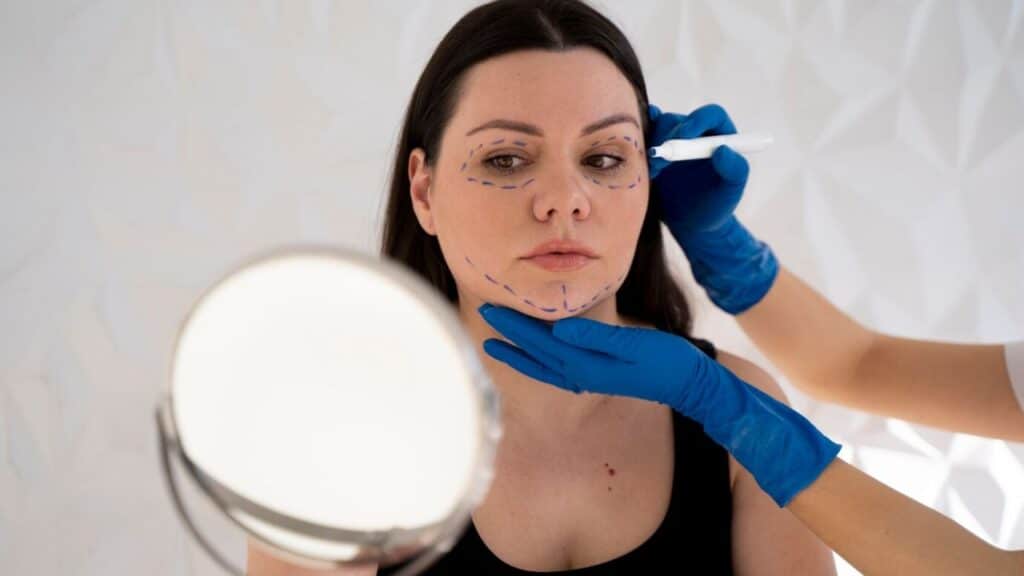

Polynucleotide injections have become an increasingly popular regenerative aesthetic treatment in recent years. Often used for skin rejuvenation and tissue repair, this therapy is gaining attention for its ability to improve skin quality in a natural and minimally invasive way. This article explores how the treatment works, its benefits, possible risks, and what patients can expect before and after the procedure.
What Are Polynucleotide Injections?
Polynucleotides are natural biological molecules derived from purified DNA fragments, typically sourced from salmon or trout. These molecules are highly biocompatible with human tissue and are used in aesthetic medicine to stimulate skin repair and regeneration.
The Polynucleotide Treatment works by activating fibroblasts, which are cells responsible for producing collagen and elastin. These proteins are essential for maintaining skin firmness, elasticity, and hydration.
Unlike traditional fillers that add volume directly under the skin, polynucleotide-based therapy focuses on improving the skin’s biological function, leading to gradual and natural-looking improvements.
How the Treatment Works
During a typical session, small amounts of polynucleotide solution are injected into targeted areas of the skin using fine needles or cannulas. The procedure usually takes 20 to 45 minutes depending on the treatment area.
Once injected, the solution begins to attract water molecules and stimulate cellular repair mechanisms. Over time, the Polynucleotide Treatment enhances tissue regeneration and improves the overall quality of the skin from within.
Patients often require a series of sessions spaced a few weeks apart to achieve optimal results.
Benefits of Polynucleotide Injections
One of the main reasons for the growing popularity of this therapy is its wide range of skin benefits. These include:
1. Improved Skin Hydration
Polynucleotides help the skin retain moisture by binding water molecules. This results in a plumper, more hydrated complexion.
2. Enhanced Skin Elasticity
By stimulating collagen and elastin production, the Polynucleotide Treatment improves skin firmness and reduces sagging.
3. Reduction of Fine Lines and Wrinkles
As skin structure improves, fine lines—especially around the eyes and mouth—become less noticeable.
4. Skin Repair and Regeneration
This treatment is often used for damaged or sensitive skin, as it promotes natural healing processes at a cellular level.
5. Improved Skin Texture and Tone
Patients frequently report smoother, brighter, and more even-toned skin after completing a treatment course.
6. Minimal Downtime
Unlike more invasive procedures, polynucleotide injections require little recovery time, making them convenient for busy individuals.
Common Treatment Areas
The Polynucleotide Treatment can be used on various parts of the body, depending on the patient’s concerns. The most common areas include:
- Face (especially under-eyes and cheeks)
- Neck
- Décolletage
- Hands
- Areas with acne scars or skin damage
It is especially effective in delicate areas where traditional fillers may not be suitable.
Risks and Side Effects
Although generally considered safe, polynucleotide injections do carry some potential side effects, as with any injectable procedure.
Common and Mild Effects:
- Redness at injection sites
- Mild swelling or bruising
- Temporary tenderness
- Small bumps under the skin (usually resolve quickly)
These effects typically disappear within a few days.
Rare Risks:
- Allergic reactions (very uncommon due to high purity of product)
- Infection if aftercare guidelines are not followed
- Uneven results if administered improperly
Choosing a qualified medical professional significantly reduces the risks associated with the Polynucleotide Treatment.
Who Is a Good Candidate?
This therapy is suitable for a wide range of individuals, particularly those looking to improve skin quality without undergoing surgery or heavy cosmetic procedures.
Ideal candidates include people who:
- Have early signs of aging
- Suffer from dull or dehydrated skin
- Have acne scars or mild skin damage
- Prefer natural-looking rejuvenation
However, it may not be recommended for pregnant or breastfeeding individuals, or those with certain skin conditions or allergies. A consultation is essential before starting treatment.
What to Expect During and After the Procedure
Before the injection, a topical numbing cream is often applied to reduce discomfort. Most patients describe the sensation as mild pressure or small pinches.
After the session, the skin may appear slightly red or swollen, but this usually resolves within 24–72 hours.
Results from the Polynucleotide Treatment are not immediate. Improvements gradually become visible over several weeks as collagen production increases and skin regeneration takes place.
For best results, patients are often advised to complete a series of 2–4 sessions, followed by maintenance treatments every few months.
Aftercare Tips
Proper aftercare is important for maximizing results and minimizing side effects. Common recommendations include:
Avoid touching or massaging treated areas for 24 hours
Skip intense exercise for 24–48 hours
Avoid alcohol and excessive sun exposure immediately after treatment
Use gentle skincare products for a few days
Following these guidelines helps ensure smooth healing and optimal outcomes from the Polynucleotide Treatment.
Final Thoughts
Polynucleotide injections represent a modern approach to skin rejuvenation that focuses on regeneration rather than artificial enhancement. By stimulating the body’s natural repair processes, the Polynucleotide Treatment offers gradual, long-lasting improvements in skin quality with minimal downtime.
While not a quick fix, it is an appealing option for individuals seeking natural results and overall skin health improvement. As with any cosmetic procedure, consulting a qualified practitioner is essential to determine if it is the right choice for your skin goals.