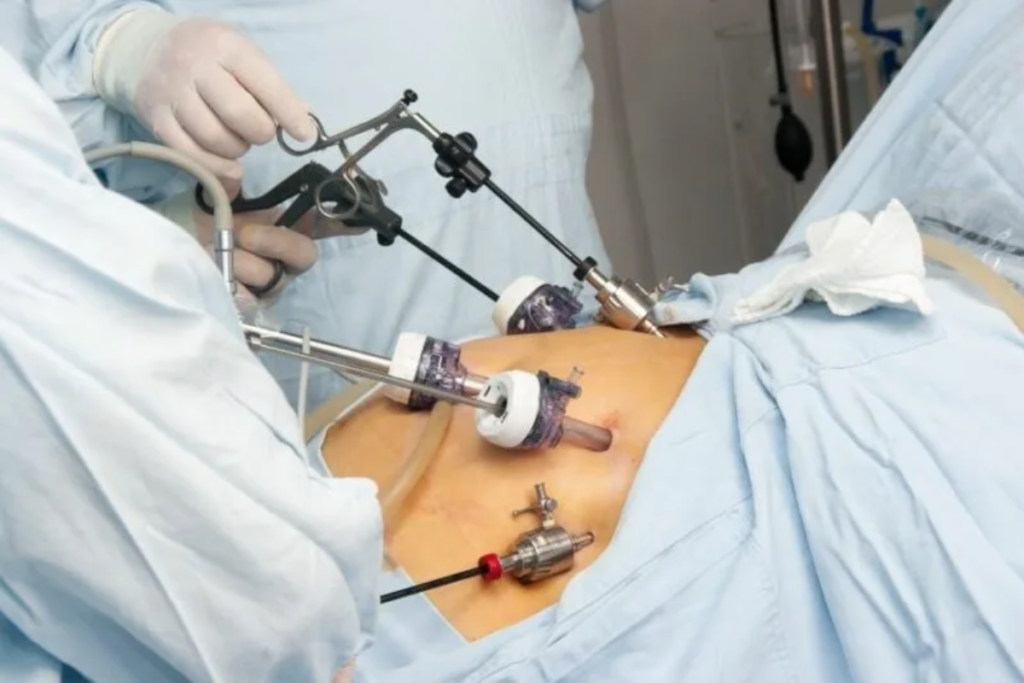

Myomectomy is a surgical procedure performed to remove uterine fibroids while preserving the uterus. For women diagnosed with symptomatic fibroids who wish to maintain fertility or avoid hysterectomy, Myomectomy is often considered one of the primary treatment options.
Uterine fibroids are non-cancerous growths that develop within or on the uterus. These growths can vary significantly in size, ranging from tiny seedlings to large masses that distort the uterus. Fibroids may lead to heavy menstrual bleeding, severe pelvic pain, pressure symptoms, infertility, and complications during pregnancy.
For many women, Myomectomy offers symptom relief while preserving reproductive potential. However, while this procedure can be highly effective, it also comes with surgical risks, recovery time, and the possibility of fibroid recurrence. In addition, newer minimally invasive alternatives like Uterine Fibroid Embolization (UFE) have emerged as non-surgical treatment options.
This comprehensive guide explores Myomectomy, its different types, benefits, risks, recovery expectations, and compares it with UFE to help women make informed treatment decisions.
What Is Myomectomy?
Myomectomy is a uterus-preserving surgery designed to remove fibroids without removing the uterus itself. Unlike hysterectomy, which removes the entire uterus, Myomectomy focuses only on eliminating fibroid tumors.
The primary goal of Myomectomy is to:
- Relieve symptoms caused by fibroids
- Improve quality of life
- Preserve fertility
- Retain the uterus
- Reduce abnormal uterine bleeding
- Minimize pelvic pressure and discomfort
Many younger women choose Myomectomy because it allows them to maintain the possibility of future pregnancy.
Why Is Myomectomy Performed?
Doctors may recommend Myomectomy when fibroids cause significant symptoms such as:
Heavy Menstrual Bleeding
Large or multiple fibroids can cause excessive menstrual bleeding, sometimes leading to anemia.
Pelvic Pain
Fibroids may cause constant pelvic discomfort or severe cramping.
Pressure Symptoms
Fibroids can press against surrounding organs, leading to:
- Frequent urination
- Constipation
- Lower back pain
- Abdominal bloating
Fertility Challenges
Fibroids may interfere with conception or increase miscarriage risk.
Pregnancy Complications
Certain fibroids may contribute to:
- Preterm labor
- Breech presentation
- Placental problems
For women who want symptom relief while preserving fertility, Myomectomy may be recommended.
Types of Myomectomy
There are three primary types of Myomectomy, each designed for specific fibroid locations and sizes.
1. Abdominal Myomectomy
Abdominal Myomectomy is the most traditional and invasive form of Myomectomy.
How It Is Performed
The surgeon makes a large incision in the lower abdomen, similar to a cesarean section incision, to directly access the uterus and remove fibroids.
After fibroid removal:
- The uterine wall is repaired with multiple layers of sutures
- The abdominal wall is closed
- The skin incision is stitched
Who Is a Candidate?
Abdominal Myomectomy is typically recommended for women with:
- Large fibroids
- Multiple fibroids
- Deeply embedded fibroids
- Extensive uterine distortion
Advantages of Abdominal Myomectomy
- Allows removal of large fibroids
- Suitable for multiple fibroids
- Direct access for complex cases
Risks of Abdominal Myomectomy
- Significant blood loss
- Longer hospital stay
- Greater postoperative pain
- Larger scar
- Higher infection risk
- Longer recovery
Recovery Time
Recovery from abdominal Myomectomy typically takes:
- 4 to 6 weeks for normal activity
- Several months for complete internal healing
Women who undergo abdominal Myomectomy may require cesarean delivery for future pregnancies.
2. Laparoscopic or Robotic Myomectomy
Laparoscopic Myomectomy is a minimally invasive surgical approach.
How It Is Performed
The surgeon makes several small abdominal incisions to insert:
- A laparoscope (camera)
- Surgical instruments
Fibroids are removed through these small incisions.
Robotic-assisted Myomectomy uses robotic technology controlled by the surgeon for enhanced precision.
Who Is a Candidate?
This type of Myomectomy is ideal for women with:
- Small to moderate fibroids
- Limited number of fibroids
- Fibroids not deeply embedded
Advantages
- Smaller scars
- Less pain
- Shorter hospital stay
- Faster recovery
- Reduced blood loss
Risks
- Possible conversion to open surgery
- Technical complexity
- Potential organ injury
- Requires specialized surgeon expertise
Recovery Time
Recovery usually takes:
- 2 to 4 weeks
- Return to daily activities within 1 to 2 weeks
3. Hysteroscopic Myomectomy
Hysteroscopic Myomectomy is the least invasive form of Myomectomy.
How It Is Performed
A hysteroscope is inserted through the vagina and cervix into the uterus.
No abdominal incision is required.
The surgeon removes fibroids using specialized instruments.
Suitable for
This Myomectomy is best for:
- Submucosal fibroids
- Fibroids inside the uterine cavity
It is not suitable for:
- Intramural fibroids
- Subserosal fibroids
Benefits
- No external incision
- Outpatient procedure
- Minimal discomfort
- Quick recovery
Risks
- Uterine perforation
- Fluid overload
- Incomplete fibroid removal
Recovery
Most women recover within:
- A few days to one week
Benefits of Myomectomy
Preserves the Uterus
Unlike hysterectomy, Myomectomy allows women to retain their uterus.
Maintains Fertility Potential
For women hoping to conceive, Myomectomy may improve fertility outcomes.
Symptom Relief
Women often experience improvement in:
- Heavy bleeding
- Pelvic pain
- Pressure symptoms
Improved Quality of Life
After successful Myomectomy, many women report:
- Better energy levels
- Reduced pain
- Improved emotional well-being
Risks and Complications of Myomectomy
Although Myomectomy can be highly effective, it remains major surgery.
Bleeding
Fibroids are highly vascular, making excessive bleeding a concern during Myomectomy.
In severe cases, emergency hysterectomy may be necessary.
Infection
As with any surgery, infection is possible.
Symptoms include:
- Fever
- Pain
- Redness
- Discharge
Scar Tissue Formation
Scar tissue after Myomectomy may affect fertility or cause pelvic adhesions.
Fibroid Recurrence
Fibroids can regrow after Myomectomy.
Risk factors include:
- Younger age
- Multiple fibroids
- Small residual fibroids
Studies show recurrence rates can be significant within 5 years.
Future Pregnancy Risks
Depending on the extent of uterine repair, Myomectomy may increase risks of:
- Uterine rupture
- Cesarean delivery
- Placental complications
Do You Really Need a Myomectomy?
Choosing Myomectomy depends on several factors:
Fibroid Characteristics
- Size
- Number
- Location
Severity of Symptoms
Mild symptoms may not require surgery.
Fertility Goals
Women planning pregnancy often consider Myomectomy.
Overall Health
Surgical risk varies by age and medical condition.
Non-Surgical Alternative: Uterine Fibroid Embolization (UFE)
For women seeking non-surgical treatment, UFE offers an effective alternative to Myomectomy.
What Is UFE?
Uterine Fibroid Embolization is a minimally invasive procedure that blocks blood flow to fibroids.
Without blood supply, fibroids shrink and symptoms improve.
How UFE Works
During UFE:
- A tiny catheter is inserted into an artery
- It is guided to the uterine arteries
- Small particles block fibroid blood supply
- Fibroids shrink over time
Benefits of UFE Over Myomectomy
Compared to Myomectomy, UFE offers:
- No major surgery
- No general anesthesia
- No large incision
- Minimal blood loss
- Short recovery
- No hospital stay
- Lower complication risk
Myomectomy vs UFE
Invasiveness
Myomectomy
- Surgical
- Incisions required
- General anesthesia
UFE
- Minimally invasive
- Tiny puncture only
- Local anesthesia with sedation
Recovery Time
Myomectomy
- 2 to 6 weeks
UFE
- 2 to 7 days
Blood Loss
Myomectomy
- Higher risk
UFE
- Minimal
Fibroid Recurrence
Myomectomy
Fibroids may regrow.
UFE
Fibroids typically shrink permanently.
Scarring
Myomectomy
Can leave internal and external scars.
UFE
Minimal to no visible scarring.
Recovery After Myomectomy
Recovery varies based on the type of Myomectomy.
First Week
Patients may experience:
- Fatigue
- Mild to moderate pain
- Spotting
- Limited mobility
Pain Management
Pain is managed with:
- Prescription medications
- Anti-inflammatory drugs
- Rest
Activity Restrictions
After Myomectomy, avoid:
- Heavy lifting
- Intense exercise
- Sexual activity (until cleared)
Follow-Up Care
Regular monitoring ensures proper healing.
Doctors may recommend imaging studies to evaluate recovery.
Fertility After Myomectomy
Many women successfully conceive after Myomectomy.
Doctors often recommend waiting:
- 3 to 6 months before trying to conceive
Success depends on:
- Fibroid type
- Surgical technique
- Uterine healing
Who Is the Ideal Candidate for Myomectomy?
You may be a good candidate if you:
- Have symptomatic fibroids
- Wish to preserve fertility
- Want uterine preservation
- Have fibroids unsuitable for UFE
When UFE May Be Better Than Myomectomy
UFE may be preferable if:
- You want to avoid surgery
- You have multiple fibroids
- You desire faster recovery
- You are not a good surgical candidate
Questions to Ask Your Doctor Before Myomectomy
Before choosing Myomectomy, ask:
- Which type of Myomectomy is best for me?
- What are the risks?
- How many fibroids will be removed?
- What is the recurrence risk?
- Will I need C-section delivery later?
- Am I a candidate for UFE?
Preparing for Myomectomy
Preparation may include:
- Blood tests
- Imaging (MRI or ultrasound)
- Medication adjustments
- Preoperative counseling
Proper preparation improves outcomes.
Emotional Considerations
Choosing Myomectomy can be emotionally overwhelming.
Women often worry about:
- Fertility
- Recovery
- Recurrence
- Surgical risks
Discussing concerns openly with healthcare providers helps reduce anxiety.
Final Thoughts on Myomectomy
Myomectomy remains a valuable treatment option for women with uterine fibroids who wish to preserve their uterus and fertility.
It can effectively relieve symptoms such as heavy bleeding, pelvic pain, and pressure while improving quality of life. However, Myomectomy is still major surgery with risks including bleeding, infection, scarring, and recurrence.
For many women, non-surgical alternatives like Uterine Fibroid Embolization provide equally effective symptom relief with fewer risks, shorter recovery, and no major incisions.
The best treatment depends on your:
- Age
- Fertility goals
- Fibroid size and location
- Overall health
- Personal preferences
Consulting with both a gynecologic surgeon and an interventional radiologist can help determine whether Myomectomy or UFE is the right path for your long-term reproductive and overall health.