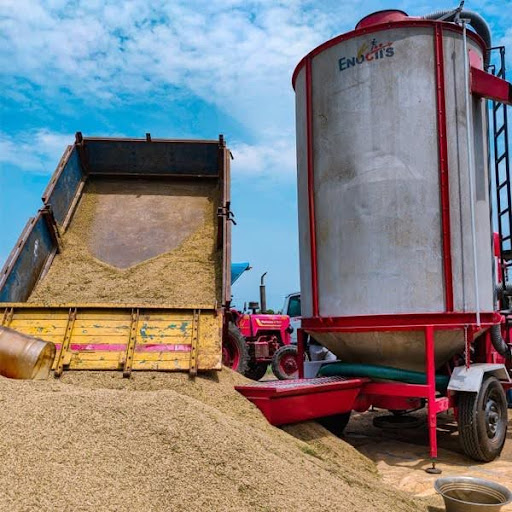

India’s agricultural and food processing sectors have undergone significant transformation over the past decade, with technology playing a central role in improving productivity and reducing post-harvest losses. Among the many innovations contributing to this progress, mobile dryers have emerged as a game-changing solution. Mobile dryer exporters in India are now gaining global attention for delivering efficient, portable, and cost-effective drying systems tailored to diverse agricultural needs.
Understanding Mobile Dryers
Mobile dryers are portable drying units designed to remove moisture from crops such as grains, pulses, seeds, and cereals. Unlike traditional stationary drying systems, these machines can be easily transported and deployed across different locations. This flexibility makes them particularly useful for farmers, cooperatives, and agribusinesses operating in multiple fields or remote regions.
These machines are engineered to provide controlled drying conditions, ensuring uniform moisture reduction without compromising the quality of the produce. They are widely used for crops like maize, rice, oilseeds, and pulses, offering precise and consistent drying performance.
The Rise of Mobile Dryer Exporters in India
India has become a prominent hub for the manufacturing and export of mobile dryers. This growth is driven by the country’s strong agricultural base, skilled engineering workforce, and increasing demand for advanced farm equipment worldwide.
Mobile dryer exporters in India are catering not only to domestic markets but also to international clients across Asia, Africa, and other developing regions. Their ability to design machines that suit varied climatic and operational conditions has positioned them as reliable partners in global agriculture.
Additionally, Indian exporters focus on delivering cost-effective solutions without compromising on quality, making their products highly competitive in international markets.
Key Features of Mobile Dryers
One of the primary reasons for the growing popularity of mobile dryers is their advanced features. These machines are designed to maximize efficiency while minimizing operational costs. Some of the notable features include:
- Portability: Easy to move and install across different locations
- Fuel Efficiency: Optimized energy consumption for cost savings
- Uniform Drying: Ensures consistent moisture removal
- Low Maintenance: Designed for long-term durability
- Versatility: Suitable for multiple types of crops
Modern mobile dryers are also equipped with dust control systems and low-noise operation, making them environmentally friendly and user-friendly.
Applications Across Industries
While mobile dryers are primarily associated with agriculture, their applications extend beyond farming. They are widely used in:
- Food processing industries for drying raw materials
- Seed processing units to maintain seed viability
- Agro-based industries for bulk grain handling
- Temporary drying setups in rural and remote areas
The adaptability of mobile dryers makes them an essential tool in both small-scale farming and large industrial operations.
Advantages of Choosing Indian Exporters
Mobile dryer exporters in India offer several advantages that make them a preferred choice for global buyers:
- Technological Expertise
Indian manufacturers invest heavily in research and development to stay ahead of technological advancements. This ensures that their products meet international standards and deliver high performance. - Customization Options
Exporters provide customized solutions based on the specific needs of clients, including capacity, fuel type, and crop compatibility. - Cost-Effectiveness
Compared to many global competitors, Indian exporters offer high-quality machines at competitive prices, making them accessible to a wider audience. - Strong Export Network
With established logistics and distribution systems, exporters ensure timely delivery and efficient after-sales support worldwide.
Role in Reducing Post-Harvest Losses
Post-harvest losses remain a major challenge in agriculture, particularly in developing countries. Improper drying can lead to spoilage, fungal growth, and reduced market value of crops.
Mobile dryers address this issue by providing timely and efficient drying solutions directly at the farm level. By reducing moisture content quickly and uniformly, they help preserve the quality and shelf life of agricultural produce.
This not only benefits farmers by increasing their income but also contributes to food security by minimizing wastage.
Future Trends in Mobile Dryer Exports
The future of mobile dryer exporters in India looks promising, with several trends shaping the industry:
- Integration of automation and IoT for real-time monitoring
- Development of eco-friendly dryers using renewable energy sources
- Expansion into emerging markets with growing agricultural demand
- Focus on compact and high-capacity designs
As global demand for efficient agricultural machinery continues to rise, Indian exporters are expected to play a crucial role in meeting these needs.
Challenges and Opportunities
Despite the growth, the industry faces certain challenges such as fluctuating raw material costs, competition from international manufacturers, and the need for continuous innovation.
However, these challenges also present opportunities for exporters to enhance product quality, adopt sustainable practices, and expand their global footprint.
Conclusion
Mobile dryer exporters in India are transforming the way agricultural drying processes are carried out. With their focus on innovation, affordability, and adaptability, they are helping farmers and industries achieve better productivity and efficiency.
As the world moves toward more sustainable and technology-driven agricultural practices, mobile dryers will continue to play a vital role. Indian exporters, with their expertise and commitment to quality, are well-positioned to lead this transformation on a global scale.
In essence, mobile dryers are not just machines—they are a step toward smarter agriculture and a more secure food supply chain.