
Understanding the Foundation of Upward Plank
Upward Plank is a powerful yoga posture that builds both physical strength and mental focus. Often practiced as a counterpose to forward folds or seated positions, this pose opens the chest, shoulders, and front body while engaging the back muscles and core. It requires coordination between flexibility and strength, making it an essential addition to a balanced yoga routine. Practitioners gradually learn how to align their wrists, shoulders, and hips in a way that supports the entire body weight without strain.
Benefits of Practicing Upward Plank Regularly
One of the primary benefits of Upward Plank is its ability to strengthen the arms, wrists, and legs while simultaneously improving posture. By lifting the hips and expanding the chest, the pose encourages spinal extension, which can counteract the effects of long hours spent sitting. Additionally, it stimulates the nervous system, increasing energy levels and promoting alertness. Over time, consistent practice can enhance endurance and stability, particularly in the upper body and core muscles.
Step-by-Step Approach to Proper Alignment
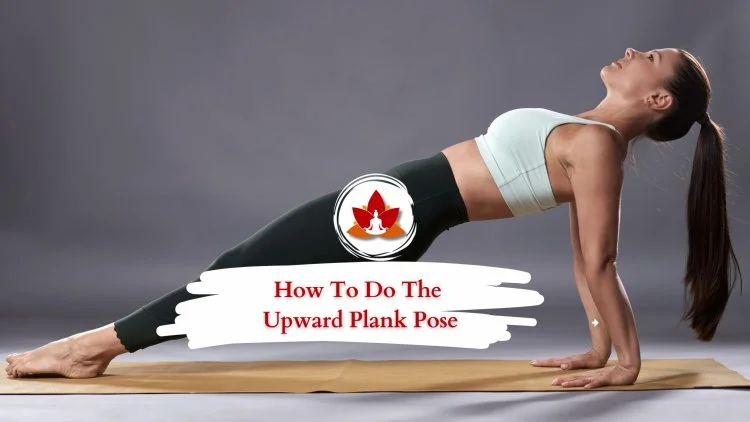
To enter Upward Plank effectively, begin by sitting with your legs extended in front of you and your hands placed slightly behind your hips, fingers pointing toward your feet. Press firmly into your palms and feet as you lift your hips upward, forming a straight line from your shoulders to your ankles. Keep your arms straight and your shoulders stacked above your wrists. Engage your core and avoid letting the hips sag. The gaze can be directed upward or slightly back, depending on neck comfort. Breathing steadily throughout the posture helps maintain balance and control.
Common Challenges and How to Overcome Them
Many practitioners find Upward Plank challenging due to tight shoulders or weak wrists. To address this, it is helpful to warm up thoroughly with preparatory poses that open the chest and strengthen the arms. Modifications, such as bending the knees or practicing on a supportive surface, can make the pose more accessible. Consistency is key, as gradual improvement in strength and flexibility will make the posture more comfortable over time. Listening to the body and avoiding overexertion ensures safe progression.
Integrating Upward Plank into Your Practice
Incorporating Upward Plank into a regular yoga sequence can bring balance to your practice. It works particularly well after poses that involve forward bending or core engagement, as it provides a deep stretch to the front body. Holding the pose for a few breaths and repeating it in cycles can amplify its benefits. Whether practiced in the morning to energize the body or in the evening to release tension, this pose supports overall physical and mental well-being.
Developing Confidence Through Consistent Practice
Like many yoga postures, Upward Plank requires patience and dedication. Progress may feel slow initially, but consistent effort leads to noticeable improvements in strength, posture, and confidence. As the body adapts, practitioners often discover a greater sense of openness and resilience. Embracing the journey rather than focusing solely on perfection allows for a more fulfilling and sustainable practice.