
Insurance carriers and agencies operate in highly regulated environments where compliance management directly affects operational efficiency and regulatory readiness. In the United States insurance industry, organizations must maintain accurate producer licensing records, appointment data, and compliance reporting across multiple states.As insurance operations continue growing, compliance teams often manage large producer networks with changing licensing requirements and appointment regulations. Manual processes may create reporting delays, administrative inefficiencies, and increased compliance risk.Many insurance organizations now rely on insurance automation platforms like Agenzee to improve compliance visibility and centralize operational workflows.
Why Insurance Compliance Is Important
Insurance compliance means following regulatory rules established by state insurance departments. These requirements apply to licensing verification, producer appointments, renewals, and operational reporting.Insurance carriers must verify that producers maintain active licenses before selling insurance products. Organizations also need to maintain updated appointment records and accurate producer information across jurisdictions.A producer code is a unique identifier assigned by a carrier to track producer activity within operational systems. Producer code management helps organizations maintain organized records and improve compliance oversight.In modern insurance operations, compliance responsibilities commonly include:
- License tracking
- Appointment monitoring
- Producer management
- Renewal tracking
- Compliance reporting
- Audit preparation
In multi-state operations, these tasks require ongoing oversight and operational consistency.
Common Compliance Risks in Insurance Operations
Compliance violations often occur because insurance organizations rely on disconnected systems or outdated administrative processes. Compliance teams frequently manage large amounts of licensing and appointment data simultaneously.
Common compliance issues include:
- Expired producer licenses
- Missing carrier appointments
- Delayed appointment terminations
- Incorrect producer records
- Inactive producer codes
- Incomplete compliance reports
Inactive appointments create compliance exposure because state regulations generally require carriers to maintain updated appointment information.Many insurance organizations today focus on improving operational visibility through centralized compliance software and insurance automation.
Producer Licensing Management and Operational Accuracy
Producer licensing management is one of the most important areas of insurance compliance. Insurance carriers and agencies must continuously verify whether producers remain eligible to conduct business in each operating state.
Compliance teams often manage workflows such as:
- Verify license status
- Review appointment requirements
- Assign carrier producer codes
- Sync operational records
- Monitor renewals
- Generate reports
Insurance automation systems help simplify these workflows while improving data accuracy.Many agencies and carriers now use centralized producer management platforms to reduce repetitive administrative tasks and improve compliance coordination.
Why Appointment Tracking Matters
Carrier appointment tracking remains a critical compliance responsibility in the insurance industry. State insurance regulations generally require carriers to appoint producers before insurance transactions occur.
Why is appointment tracking important?
Appointment-related errors may increase operational risk during compliance audits and regulatory reviews. Compliance teams therefore require accurate visibility into appointment status across all jurisdictions.
Appointment tracking software supports insurance organizations by helping them:
- Monitor active appointments
- Reduce administrative delays
- Improve reporting consistency
- Maintain organized records
- Track appointment changes
Insurance compliance platforms like Agenzee help organizations centralize appointment management and improve operational oversight.As insurance operations expand across states, centralized appointment tracking becomes increasingly valuable. 
How Insurance Automation Supports Compliance Teams
Insurance automation has become essential for agencies and carriers managing complex compliance operations. Manual workflows often create operational bottlenecks and increase the likelihood of reporting inconsistencies.
Modern compliance software commonly includes:
- License tracking systems
- Appointment management tools
- Producer management dashboards
- Renewal notifications
- Compliance reporting capabilities
- Audit support tools
Industry best practices recommend maintaining centralized compliance records to improve operational consistency and reduce administrative risk.Many insurance organizations use insurance automation platforms to support long-term scalability while improving compliance management.Compliance teams often depend on automation to improve workflow efficiency in regulated environments.
Centralized Producer Management and Regulatory Oversight
Producer management involves maintaining accurate records related to licensing, appointments, producer codes, and compliance status.As insurance organizations grow, fragmented systems may reduce operational visibility and create duplicate administrative work. Centralized producer management systems help compliance teams maintain organized records across departments and states.Insurance automation platforms such as Agenzee combine producer licensing management, appointment tracking, and compliance reporting into a centralized operational workflow.Many insurance carriers and agencies now rely on centralized systems to improve operational coordination and support regulatory readiness.
Conclusion
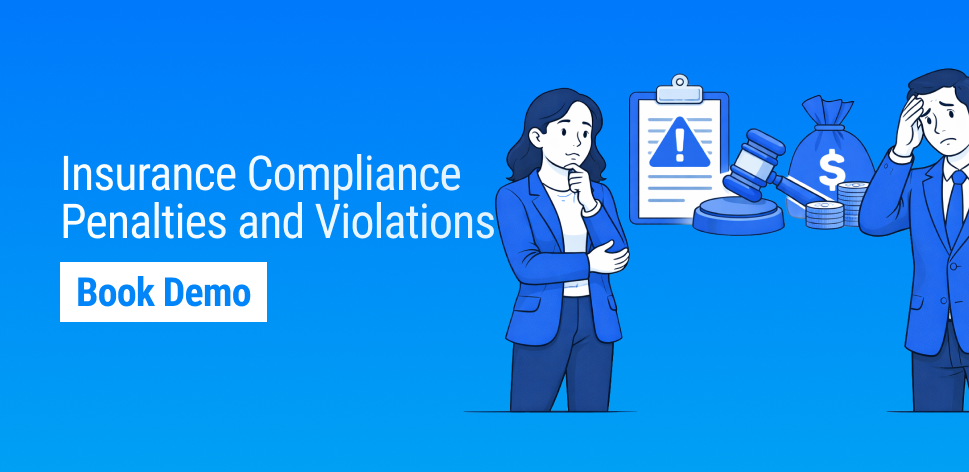
Insurance compliance management requires ongoing oversight of producer licensing, carrier appointments, and operational reporting. Compliance violations can create financial penalties, administrative disruption, and increased audit exposure.Producer code management, appointment tracking, and license monitoring remain essential for insurance organizations operating in regulated environments.As compliance requirements continue evolving across the United States insurance industry, many organizations now use insurance automation platforms like Agenzee to improve visibility, reduce operational inefficiencies, and maintain compliance readiness.