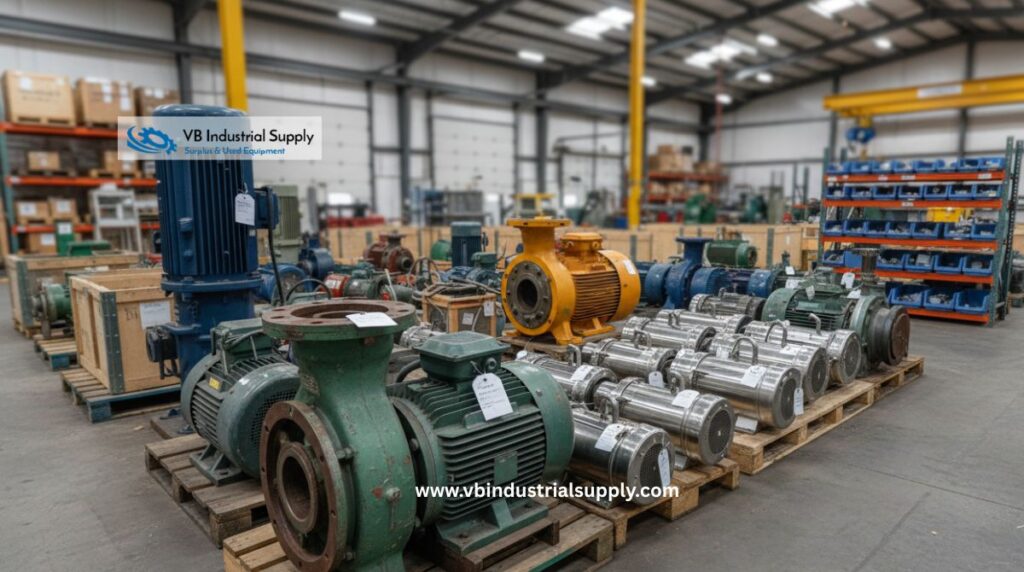

When searching for industrial pumps for sale, businesses often focus on price and availability. However, choosing the right pump involves much more than finding a unit that fits the budget. The correct pump selection directly impacts efficiency, system reliability, maintenance costs, and overall operational performance.
With a wide range of industrial equipment for sale in today’s market, buyers must carefully evaluate specifications, application needs, and long-term performance goals before making a purchase decision.
Why Selecting the Right Industrial Pump Matters
Industrial pumps are essential in numerous industries including manufacturing, oil and gas, water treatment, food processing, chemical production, and power generation. They are responsible for transferring fluids such as water, chemicals, oils, slurries, and other materials.
Choosing the wrong pump can result in:
- Reduced efficiency
- Increased energy consumption
- Premature wear and tear
- Frequent breakdowns
- Higher maintenance costs
Selecting the right pump ensures smoother operations, improved safety, and reduced downtime.
Understand Your Application Requirements
Before evaluating industrial pumps for sale, clearly define your application requirements. Every pumping system operates under different conditions, and understanding those conditions is the foundation of proper pump selection.
Key Questions to Ask:
- What type of fluid will be pumped?
- Is the fluid corrosive, abrasive, viscous, or clean?
- What flow rate is required?
- What pressure or head is necessary?
- What temperature will the pump operate under?
The answers to these questions determine the pump type, material construction, and motor specifications.
Identify the Correct Pump Type
There are several types of industrial pumps available in the market. Each is designed for specific applications.
Centrifugal Pumps
Ideal for high-flow, low-viscosity fluids. Commonly used in water systems, cooling systems, and chemical processing.
Positive Displacement Pumps
Suitable for viscous fluids and applications requiring consistent flow regardless of pressure changes.
Diaphragm Pumps
Used for handling corrosive or hazardous chemicals.
Gear Pumps
Best for oil transfer and lubrication systems.
When reviewing industrial equipment for sale, ensure the pump type matches your operational demands.
Evaluate Flow Rate and Pressure Requirements
Two critical factors in pump selection are:
- Flow Rate (GPM or LPM)
- Total Dynamic Head (TDH)
The flow rate determines how much fluid must be moved within a given time. Total Dynamic Head measures the resistance the pump must overcome.
Choosing a pump with incorrect flow or pressure capacity can cause inefficiency or mechanical stress. Always review pump performance curves and ensure the selected unit operates near its Best Efficiency Point (BEP).
Consider Material Compatibility
Fluid compatibility is extremely important. Pump components must resist corrosion, erosion, or chemical reactions caused by the fluid being transferred.
Common pump materials include:
- Cast iron
- Stainless steel
- Bronze
- Specialized alloys
- Composite materials
If the fluid contains chemicals or abrasive particles, invest in durable materials to extend equipment lifespan
Analyze Energy Efficiency
Energy consumption is a major operating cost in industrial environments. When reviewing industrial pumps for sale, compare motor efficiency ratings and operational design.
Energy-efficient pumps provide:
- Lower electricity bills
- Reduced carbon footprint
- Improved system longevity
- Lower total cost of ownership
Even if the upfront cost is slightly higher, energy savings over time often justify the investment.
Check Installation and Maintenance Requirements
Ease of installation and maintenance significantly impacts operational efficiency.
Consider:
- Space availability in your facility
- Accessibility for routine servicing
- Availability of spare parts
- Seal and bearing design
Selecting a pump that is difficult to maintain can lead to increased downtime and service costs. Reliable industrial equipment for sale should include accessible parts and standardized components.
Decide Between New and Surplus Pumps
Many businesses explore both new and surplus options when searching for industrial pumps for sale.
New Pumps
Offer manufacturer warranties and the latest engineering updates.
Surplus Pumps
Provide cost savings and immediate availability, especially for discontinued or hard-to-find models.
Surplus pumps can be an excellent choice for maintenance replacements, spare units, or budget-conscious projects, as long as they are sourced from a trusted supplier.
Industries That Rely on Industrial Pumps
Industrial pumps play a vital role in:
- Chemical processing plants
- Oil refineries
- Food and beverage production
- Mining operations
- HVAC systems
- Water and wastewater treatment facilities
Each industry has unique requirements, making customized pump selection essential.
Common Mistakes to Avoid
When evaluating industrial pumps for sale, avoid these common errors:
- Choosing based solely on price
- Ignoring fluid characteristics
- Overlooking energy efficiency
- Selecting oversized or undersized pumps
- Failing to verify compatibility with existing systems
A well-informed purchasing decision prevents costly operational issues.
Final Thoughts
Finding the right industrial pumps for sale requires more than browsing product listings. Buyers must assess flow requirements, pressure demands, material compatibility, energy efficiency, and long-term maintenance considerations. With so much industrial equipment for sale available today, working with an experienced supplier can simplify the process and reduce risk.
A trusted industrial parts provider like VB Industrial Supply offers access to quality pump inventory, organized sourcing, and dependable support—helping businesses select reliable pumping solutions that meet operational demands while staying within budget.