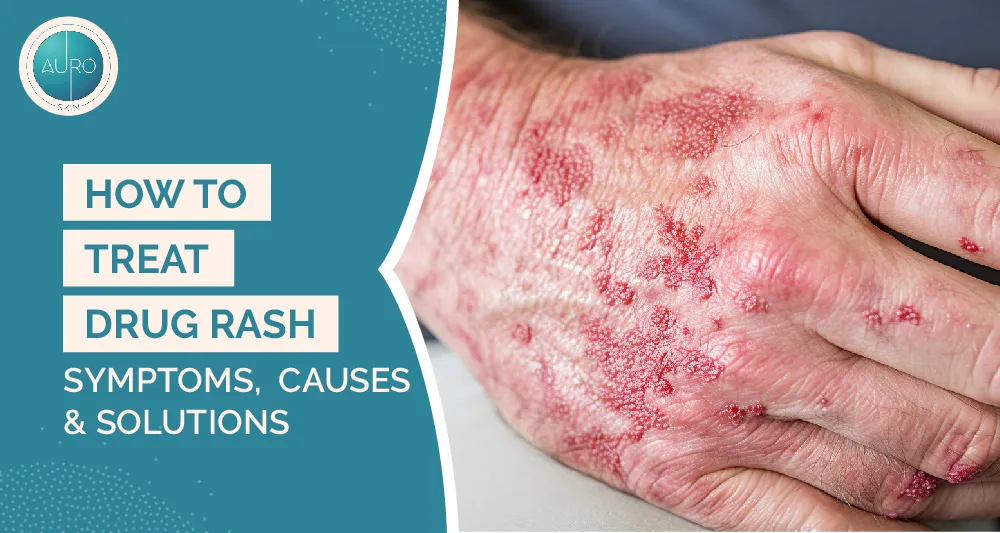

A drug rash is a common skin reaction that occurs when your body responds negatively to certain medications. While most drug rashes are mild and manageable, some can become serious if not treated on time. Understanding the symptoms, causes, and treatment options can help you take the right steps for quick recovery and prevent complications.
What is a Drug Rash?
A drug rash is a type of skin eruption caused by an allergic or non-allergic reaction to a medication. It may appear within a few hours, days, or even weeks after starting a new drug.
If you notice unusual skin changes after taking medication, it’s important to consult a healthcare professional or a skin specialist in Mumbai for proper diagnosis.
Common Symptoms of Drug Rash
Drug rashes can vary in appearance and severity. Some of the most common symptoms include:
-
Red or pink patches on the skin
-
Itching or irritation
-
Hives (raised, itchy bumps)
-
Swelling
-
Dry or flaky skin
-
Blisters or peeling (in severe cases)
-
Fever or discomfort
Severe symptoms like difficulty breathing, facial swelling, or extensive skin peeling require immediate medical attention.
Causes of Drug Rash
Drug rashes are usually caused by the body’s reaction to certain medications. Common triggers include:
-
Antibiotics (such as penicillin)
-
Painkillers (NSAIDs)
-
Anti-seizure medications
-
Chemotherapy drugs
-
Certain heart or blood pressure medications
Sometimes, the immune system mistakenly identifies a drug as harmful, leading to an allergic reaction that shows up on the skin. Visiting a reliable skin clinic in Mumbai can help identify the exact cause.
How to Treat Drug Rash
1. Stop the Triggering Medication
The first step is to discontinue the medication causing the reaction—but only after consulting your doctor. Never stop prescribed medication on your own.
2. Take Antihistamines
Antihistamines help reduce itching, redness, and inflammation, making them effective for mild allergic reactions.
3. Apply Soothing Creams
Topical treatments like calamine lotion or mild corticosteroid creams can soothe irritated skin and reduce discomfort.
4. Use Corticosteroids (If Needed)
For moderate to severe drug rashes, doctors may prescribe oral or topical corticosteroids to control inflammation.
5. Stay Hydrated & Rest
Drinking plenty of water helps detoxify your body and supports faster healing.
6. Avoid Skin Irritants
Use gentle skincare products and avoid harsh soaps, perfumes, or tight clothing that may worsen the rash.
For advanced or persistent cases, professional skin treatment in Mumbai can provide faster relief and prevent complications.
When to See a Doctor
Seek immediate medical care if you experience:
-
Difficulty breathing
-
Swelling of lips, tongue, or face
-
High fever
-
Severe blistering or peeling skin
-
Signs of infection
These symptoms may indicate serious conditions that require urgent treatment.
Prevention Tips
-
Inform your doctor about any known drug allergies
-
Avoid self-medication
-
Keep a record of medications that caused reactions
-
Follow prescribed dosages carefully
-
Always consult a professional before trying new medicines
Conclusion
Drug rashes can vary from mild irritation to severe allergic reactions, making early identification and proper treatment extremely important. Ignoring initial symptoms or continuing the triggering medication without medical advice can worsen the condition and lead to complications. It is always recommended to monitor your skin closely after starting any new medication and seek professional guidance if you notice unusual changes.
Avoid self-medication and do not rely on home remedies alone, especially if the rash is spreading, painful, or accompanied by other symptoms like fever or swelling. A qualified skin specialist in Mumbai can help diagnose the exact cause and recommend the most effective treatment plan based on your condition.
Maintaining a record of previous drug allergies, following prescribed dosages, and choosing medications carefully can help prevent future reactions. Visiting a trusted skin clinic in Mumbai ensures that you receive safe and advanced care tailored to your needs.
With the right approach and timely medical attention, most drug rashes can be treated effectively, helping you recover faster and maintain healthy skin.