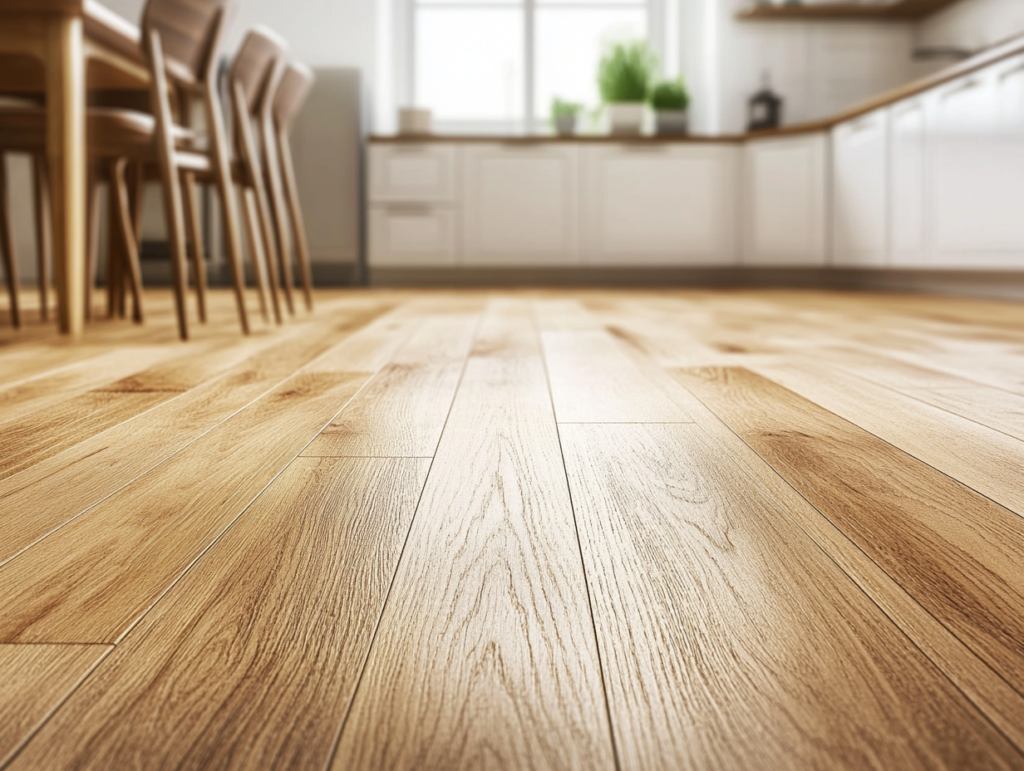

Wooden flooring has become one of the most preferred choices for modern homes, and for good reason. It adds warmth, elegance, and a timeless charm that instantly upgrades any interior. But choosing the perfect wooden flooring design is not just about selecting a beautiful texture or color. Every room in your home serves a different purpose, and the flooring should complement both the functionality and the style of that space.
A flooring design that looks stunning in the living room may not work as well in the kitchen or bedroom. That is why understanding how to choose the right wooden flooring design for every room can make a huge difference in both aesthetics and practicality.
Start by Understanding the Room’s Purpose
Before choosing a flooring design, consider how the room is used daily. Is it a high traffic area? Does it receive moisture? Is it meant to feel cozy, luxurious, or spacious?
For example, living rooms usually require stylish, durable flooring because they are often the most-used spaces in the house. Bedrooms, on the other hand, benefit from softer and warmer flooring tones that create a relaxing atmosphere.
When you match the flooring design with the purpose of the room, the entire space feels more balanced and functional.
Living Room: Go for Elegance and Versatility
The living room is often the first space guests notice, so the flooring design should make a strong impression. Wide plank wooden flooring designs are highly popular for living rooms because they create a clean and spacious appearance.
If your interior style is modern, light oak or natural wood tones work beautifully. For luxury interiors, darker wooden flooring shades can add richness and sophistication.
Textured wooden flooring designs are also a great option for living rooms because they add depth and character without overwhelming the space.
Another smart tip is to choose flooring that complements your furniture instead of matching it exactly. Contrast often creates a more premium and visually appealing look.
Bedroom: Focus on Warmth and Comfort
Bedrooms should feel peaceful and inviting. This is where soft wood tones and subtle textures work best. Beige, honey oak, or warm walnut shades are excellent choices because they create a cozy atmosphere.
Matte finish wooden flooring designs are especially popular in bedrooms since they offer a calm and natural appearance. Glossy finishes can sometimes feel too formal or reflective for a relaxing environment.
If the bedroom is smaller, lighter wooden flooring designs can make the room appear larger and more open. On the other hand, darker shades can make large bedrooms feel more intimate and luxurious.
Kitchen: Prioritize Durability and Practicality
Many homeowners hesitate to install wooden flooring in kitchens, but modern waterproof and moisture-resistant flooring options have changed that completely.
For kitchens, it is important to choose flooring that can handle spills, foot traffic, and daily wear. Hybrid wooden flooring or water-resistant laminated flooring designs are practical choices for this space.
Medium tone wooden flooring designs usually work best in kitchens because they hide dust, stains, and minor scratches better than very light or very dark shades.
You should also avoid overly glossy finishes in kitchens since they can show watermarks more easily.
Dining Area: Keep It Stylish Yet Functional
The dining area connects people, conversations, and meals, so the flooring should feel welcoming. Wooden flooring designs with natural grains and warm tones create a comfortable and elegant dining environment.
If your dining space is connected to the living room, choosing a continuous flooring design can help maintain visual flow and make the home look larger.
Herringbone wooden flooring designs are also becoming increasingly popular in dining spaces because they add a touch of luxury without making the room feel too heavy.
Home Office: Choose Professional Yet Comfortable Designs
With more people working from home, home office interiors have become more important than ever. The ideal wooden flooring design for a home office should feel clean, professional, and comfortable at the same time.
Neutral wood tones like ash grey, natural oak, or medium walnut often work very well in office spaces. These shades create a productive environment while still maintaining warmth.
Avoid extremely dark flooring in smaller office rooms because it can make the space feel closed in. Instead, balanced tones with subtle textures create a more inviting atmosphere.
Kids’ Room: Think About Maintenance
Children’s rooms require flooring that is durable, easy to clean, and safe. Scratch-resistant and stain-resistant wooden flooring designs are ideal for these spaces.
Lighter wood shades are often preferred because they create a cheerful and energetic environment. Textured finishes are also practical because they hide minor scratches and footprints better.
Choosing high-quality flooring with good durability ensures the room continues to look beautiful even with daily activity and movement.
Do Not Ignore Lighting
Lighting plays a huge role in how wooden flooring looks inside a room. Natural sunlight can make flooring appear brighter, while artificial lighting may change the tone completely.
Rooms with less natural light generally benefit from lighter wooden flooring designs because they help reflect light and create openness. Bright rooms can handle deeper and richer shades more comfortably.
Always test flooring samples under the actual lighting conditions of your home before making a final decision.
Final Thoughts
Choosing the perfect wooden flooring design for every room is all about finding the right balance between beauty, comfort, and practicality. Instead of selecting one design simply because it looks trendy, focus on how the flooring will function in your daily life and how it will enhance the personality of each room.
The right wooden flooring design can completely transform a space, making it feel more spacious, luxurious, cozy, or modern, depending on your vision. When chosen thoughtfully, wooden flooring becomes much more than just a surface under your feet. It becomes one of the defining elements of your home’s overall character and style.