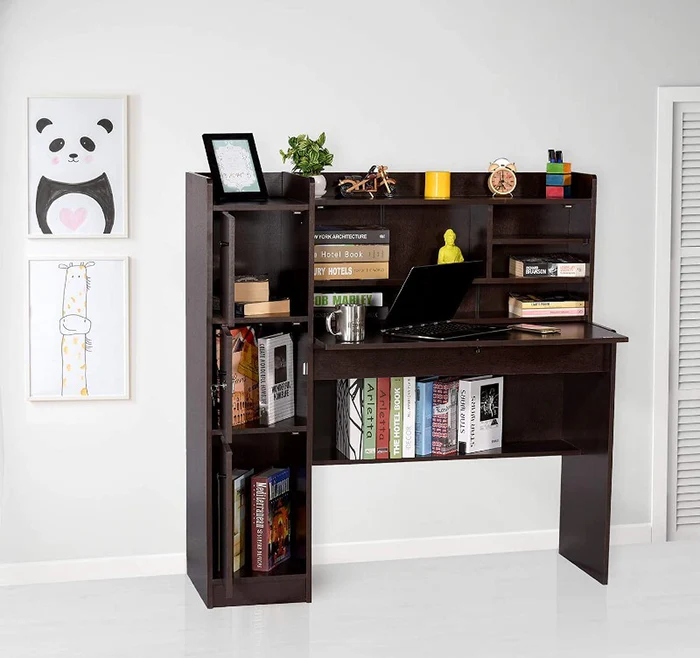

Students need more than just determination to succeed—they need the right study setup. One of the most important elements of an effective learning space is a well-designed student study table. The right study table not only enhances comfort but also improves concentration, organization, and overall productivity.
Choosing the perfect student study table may seem simple, but several factors must be considered to ensure it truly supports a student’s daily routine.
This guide will help you understand how to choose the ideal student study table that promotes better focus and productivity.
Why a Good Student Study Table Matters
A dedicated study table creates a structured learning environment. When students have a specific place for studying, their mind automatically associates that space with focus and discipline. Unlike studying on a bed or sofa, a proper study table encourages better posture, reduces distractions, and helps maintain a consistent routine.
A thoughtfully selected student study table can:
- Improve concentration levels
- Reduce physical strain and fatigue
- Keep study materials organized
- Create a distraction-free environment
1. Consider the Size and Space Available
Before selecting a student study table, it is essential to evaluate the available space in the room. A table that is too large can make the room feel cramped, while one that is too small may not accommodate all study essentials.
For smaller rooms, compact or wall-mounted study tables work best. If space allows, a larger table with additional storage can be beneficial. Always measure the area where you plan to place the table to ensure a perfect fit without restricting movement.
2. Focus on Ergonomic Design
Ergonomics plays a crucial role in maintaining comfort during long study hours. An uncomfortable table can lead to poor posture, back pain, and decreased productivity.
Look for a student study table that:
- Has the right height (usually around 28–30 inches)
- Allows enough legroom
- Pairs well with an ergonomic chair
- Keeps the screen or books at eye level
An ergonomic setup ensures that students can study for extended periods without physical discomfort, ultimately improving focus.
3. Choose the Right Material
The material of the study table affects its durability, appearance, and maintenance. Some popular options include:
- Engineered Wood: Affordable, lightweight, and stylish—ideal for modern homes
- Solid Wood: Durable and long-lasting, but usually more expensive
- Metal Frames: Strong and sturdy, often combined with wooden tops for a modern look
Choose a material that fits your budget and complements your room’s interior while ensuring long-term durability.
4. Look for Storage Options
A cluttered study table can quickly lead to a cluttered mind. That’s why storage is a key feature to consider when selecting a student study table.
Tables with built-in drawers, shelves, or compartments help keep books, stationery, and gadgets organized. This not only saves time but also reduces distractions caused by searching for items.
If the table doesn’t include storage, consider adding organizers or wall shelves to maintain a tidy workspace.
5. Ensure Proper Lighting Setup
While the study table itself may not include lighting, it should support a good lighting arrangement. Poor lighting can strain the eyes and reduce concentration.
Choose a table that:
- Has enough surface space for a study lamp
- Can be placed near natural light sources like windows
- Allows proper positioning of lighting without shadows
A well-lit study environment plays a significant role in maintaining focus and preventing fatigue.
6. Consider Functionality and Usage Needs
Every student has different study habits, so it’s important to choose a table that matches individual needs.
For example:
- Students who use laptops may need a table with cable management features
- Those who read and write extensively may prefer a wider surface
- Creative students might need additional space for drawing or projects
Understanding how the table will be used ensures that it supports productivity rather than limiting it.
7. Opt for a Simple and Distraction-Free Design
While stylish furniture is appealing, overly decorative study tables can become distracting. A clean, minimal design helps maintain focus and creates a calm study environment.
Neutral colors like white, brown, or beige are often ideal as they promote a sense of calm and concentration. A simple design also blends easily with different room styles.
8. Stability and Build Quality Matter
A shaky or poorly built table can disrupt focus and reduce efficiency. Always check the stability and build quality before making a purchase.
Ensure that:
- The table stands firmly without wobbling
- The joints and fittings are strong
- The surface is smooth and durable
A sturdy table provides a reliable workspace, allowing students to concentrate fully on their tasks.
9. Easy Maintenance and Cleaning
Students often use their study tables daily, which means they can quickly accumulate dust and clutter. Choosing a table that is easy to clean and maintain is essential.
Materials with smooth finishes are easier to wipe down and keep hygienic. Regular cleaning not only maintains the table’s appearance but also creates a fresh and motivating study environment.
10. Budget and Value for Money
While it’s tempting to go for the cheapest option, it’s important to focus on value rather than just price. A high-quality student study table is an investment in productivity and comfort.
Compare different options within your budget and look for features that offer long-term benefits, such as durability, storage, and ergonomic design. Spending a little more upfront can save money in the long run by avoiding frequent replacements.
Final Thoughts
Choosing the perfect student study table is not just about furniture—it’s about creating an environment that supports learning and growth. From size and ergonomics to storage and design, every factor plays a role in enhancing focus and productivity.
A well-chosen study table helps students stay organized, maintain better posture, and develop a consistent study routine. By carefully considering your space, needs, and preferences, you can create a study setup that encourages efficiency and success.
In the end, the right student study table becomes more than just a place to sit—it becomes a foundation for achieving academic goals and building lifelong habits of discipline and focus.