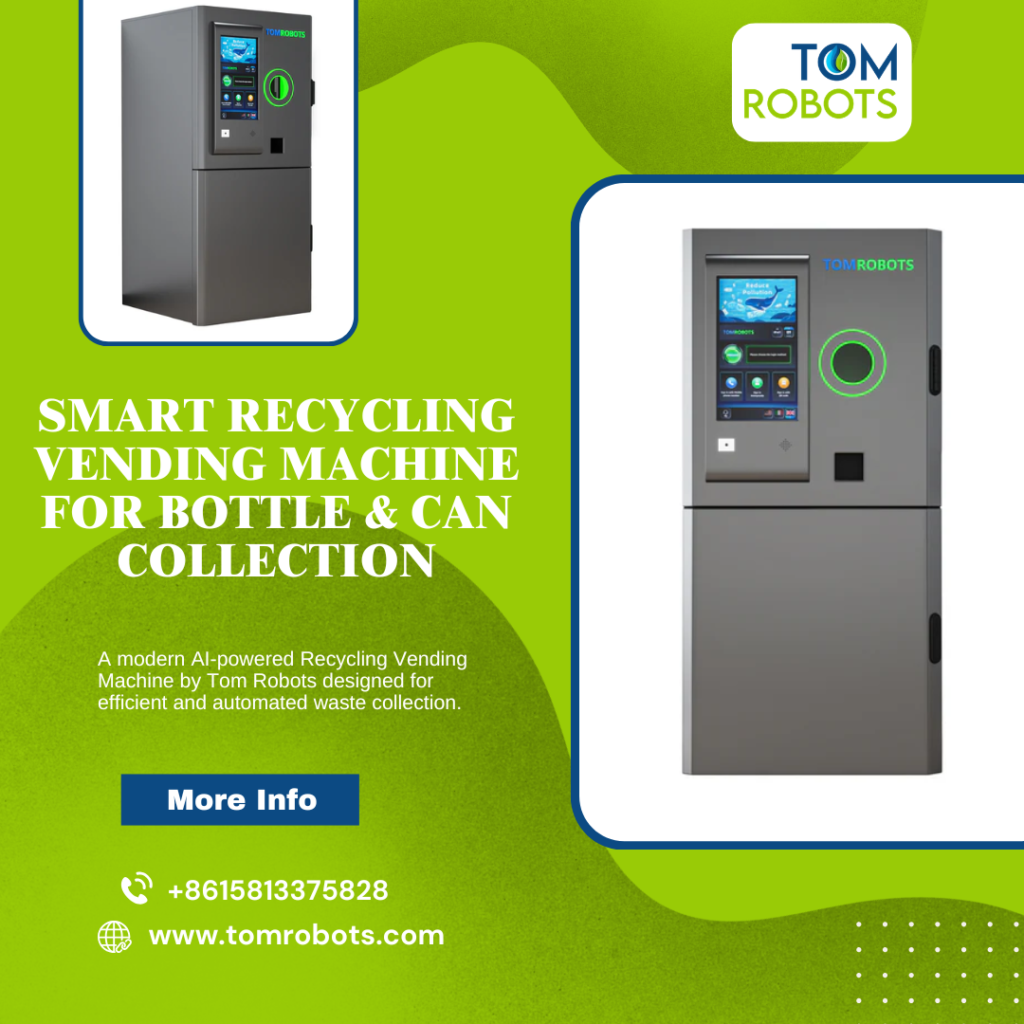

A plastic bottle has a strangely short life when you think about it. Someone buys a drink, finishes it in ten minutes, tosses the bottle away, and that piece of plastic can still exist somewhere decades later. Maybe buried in a landfill. Maybe floating through waterways. Maybe broken into tiny pieces nobody can realistically clean up anymore.
That’s part of why conversations around recycling feel more urgent now than they did years ago. People are starting to realize the real issue is not only how much plastic gets produced, but what happens after we’re done using it.
Throwing things away used to feel like the end of the story. Now industries are trying to rethink that entire system. Instead of treating used plastic like permanent waste, recovery systems focus on keeping materials in circulation for longer.
That’s where technologies like waste bottle recycling machine are becoming much more important than many people probably realize.
Recycling Works Better When Materials Stay Useful
A lot of older waste systems followed a pretty simple pattern. Make something. Use it once. Throw it away.
The problem is plastic doesn’t disappear just because people stop using it. It stays around for an incredibly long time, which is why landfills keep expanding and environmental cleanup becomes harder every year. A circular system tries to interrupt that cycle.
Instead of sending used plastic straight toward disposal, recovery systems clean, sort, and process materials so they can be used again in manufacturing. The goal is extending the life of the material itself rather than constantly producing brand-new plastic every time. That shift sounds small on paper, but it changes the entire way waste gets viewed.
Recycling Facilities Have Changed a Lot
Most people still picture recycling as workers manually sorting piles of bottles on conveyor belts. Parts of that still happen, obviously, but modern facilities are far more advanced now than many people expect. Sorting systems can separate materials faster and more accurately, contamination levels are managed better, and recovery rates have improved significantly over time.
A well-designed bottle recycling solution machine helps process huge amounts of used plastic more efficiently while reducing how much recyclable material gets wasted during sorting.
That matters because recycling only really works when recovered material stays usable afterward. If the output quality is poor, manufacturers won’t reuse it consistently.
Landfills Fill Faster Than People Think
Most cities generate massive amounts of plastic waste every single day. Water bottles, packaging, containers, food wrapping — the volume adds up quickly. Once waste reaches landfill, recovering it later becomes much harder and much more expensive.
That’s why early recovery matters so much. The more efficiently facilities can process plastic before it becomes mixed with general waste, the higher the chances that material stays reusable instead of permanently discarded.
Even small increases in recovery rates create large long-term impact simply because global plastic consumption is already so enormous.
Businesses Are Feeling Pressure Too
This shift isn’t only happening because of environmental activists anymore. Customers pay attention now. Governments are introducing stricter regulations. Investors ask questions about sustainability practices. Brands are expected to explain how packaging gets handled after use.
A lot of companies are realizing waste management is no longer something hidden quietly in the background of operations.
That’s one reason systems using waste bottle recycling machine technology are becoming more common across recycling facilities and manufacturing industries. Businesses need practical ways to recover and reuse materials more efficiently because expectations around waste are changing quickly. And honestly, many companies are still trying to catch up.
Recovered Plastic Still Has Value
People sometimes talk about waste like it automatically becomes worthless the second it gets thrown away. That’s not always true.
Used plastic can still become packaging, textiles, containers, industrial materials, and other products if recovery systems process it properly. The material itself often still has value. The challenge is collecting and cleaning it efficiently enough to reuse at scale.
That’s where better recycling infrastructure matters. The stronger the recovery process becomes, the easier it is for manufacturers to rely on recycled material instead of constantly producing completely new plastic from raw resources.
Automation Makes Recovery More Realistic
One thing that becomes obvious very quickly in large recycling facilities is the sheer volume of waste moving through the system. Manual sorting alone simply cannot keep pace efficiently anymore.
Different plastics require different handling methods, contamination creates processing problems, and even small sorting mistakes can reduce the quality of entire batches. Automation helps solve part of that issue by improving speed and consistency during recovery.
A modern bottle recycling solution machine can process large quantities of material with much greater accuracy than older systems, which helps facilities recover more usable plastic overall. That efficiency matters because circular systems only work if recovery becomes practical at scale.
Recycling Infrastructure Matters More Than Awareness Alone
People are much more environmentally aware now than they were ten or fifteen years ago. But awareness alone doesn’t automatically fix waste problems.
Someone can separate bottles carefully at home, but without strong collection systems, sorting facilities, and recovery equipment behind the scenes, much of that material still risks ending up wasted anyway.
That’s why infrastructure matters so much in sustainability conversations. The systems handling waste after disposal are just as important as consumer behavior itself.
Circular Systems Take Time to Build
One thing that gets overlooked sometimes is that circular economies don’t appear overnight. They depend on thousands of smaller improvements happening gradually—better sorting systems, cleaner recovery methods, improved manufacturing standards, smarter packaging design, and stronger recycling infrastructure working together over time. No single machine solves the entire plastic problem obviously.
But systems built around recovery help reduce how much material gets permanently lost after one use cycle. And over years, those improvements compound in meaningful ways. Millions of bottles processed today become millions fewer sitting in landfill later.
Final Thoughts
Plastic recovery solutions contribute to a circular future because they help shift waste away from a permanent disposal model and toward reuse instead.
Better sorting technology, stronger recovery systems, and more efficient recycling infrastructure make it possible to keep materials in circulation longer instead of treating every used bottle like the end of the process.
And honestly, that mindset change is probably the biggest difference of all. Waste is slowly starting to look less like something to bury and more like something that still has value if handled properly.