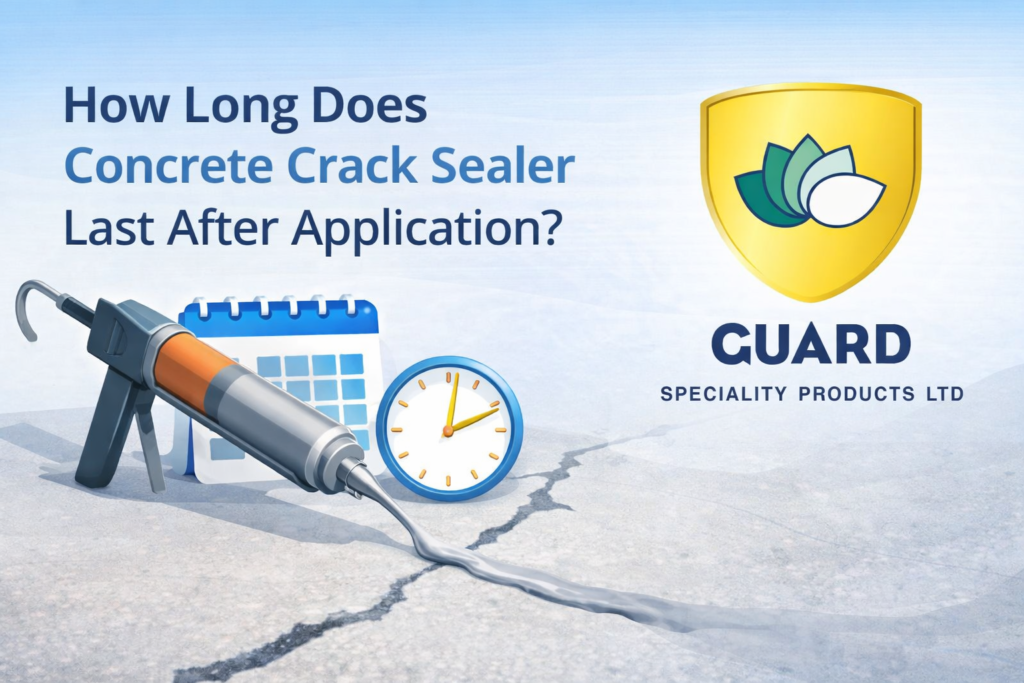

Using a concrete crack sealer is one of the most effective ways to protect surfaces from further damage, water infiltration, and structural deterioration.
However, one of the most common questions property owners and contractors ask is how long the sealer actually lasts after application.
The durability of crack sealing solutions is closely linked to product quality, application method, and environmental conditions.
While there is no one-size-fits-all answer, understanding the factors that influence longevity can help you get the best possible results.
Average Lifespan of Concrete Crack Sealers
In general, a high-quality concrete crack sealer can last anywhere between 3 to 10 years.
The exact lifespan depends on:
- Type of sealer used
- Exposure to weather conditions
- Traffic and usage
- Quality of surface preparation
- Application technique
Some advanced or professional-grade sealers may last even longer when applied correctly and maintained well.

Type of Sealer Used
The type of product plays a major role in determining how long it lasts.
Flexible Sealers
Flexible or elastomeric sealers are designed to expand and contract with temperature changes. These tend to last longer because they can handle movement without cracking.
Rigid Sealers
Rigid sealers may be more affordable but are less adaptable to movement, which can lead to early failure in areas with temperature fluctuations.
Choosing the right type for your application significantly affects durability.
Quality of Surface Preparation
Proper preparation is one of the most important factors influencing lifespan.
If the crack is not cleaned properly before sealing, dust, debris, or moisture can prevent the sealer from bonding effectively.
Key Preparation Steps
- Removing loose particles and dirt
- Ensuring the crack is completely dry
- Repairing larger structural issues beforehand
A well-prepared surface allows the sealer to adhere properly and last longer.
Environmental and Weather Conditions
Environmental exposure can greatly impact how long a concrete crack sealer lasts.
Sunlight and UV Exposure
Continuous exposure to sunlight can degrade certain sealers over time, especially if they are not UV-resistant.
Rain and Moisture
Frequent exposure to water can weaken the bond if the product is not designed for high-moisture environments.
Temperature Changes
Expansion and contraction due to temperature fluctuations can stress the sealer, particularly if it lacks flexibility.
Sealants designed for outdoor use typically offer better resistance to these conditions.
Traffic and Usage Levels
The amount of traffic the surface experiences also affects durability.
High-Traffic Areas
Driveways, parking lots, and industrial floors experience heavy loads and frequent movement, which can wear down the sealer faster.
Low-Traffic Areas
Cracks in walls or lightly used surfaces tend to last longer because they are not subjected to constant pressure.
Understanding the usage helps in selecting the right product and setting realistic expectations.
Application Technique
Even the best sealer can fail if applied incorrectly.
Proper Application Matters
- Applying the correct amount of product
- Ensuring even coverage
- Allowing sufficient curing time
Incorrect application can lead to premature cracking, peeling, or separation.
A professional application often results in longer-lasting performance.
Maintenance and Inspection
Regular maintenance can extend the life of a concrete crack sealer.
Periodic Inspections
Checking sealed cracks periodically helps identify early signs of wear or damage.
Timely Repairs
Addressing minor issues early prevents them from becoming larger problems. Maintenance ensures the sealer continues to perform effectively over time.
Signs That the Sealer Needs Reapplication
Even the most durable sealers will eventually need to be reapplied.
Common Indicators
- Visible cracking or separation
- Water seeping into the crack
- Discolouration or surface wear
- Loss of flexibility
When these signs appear, it’s time to consider resealing to maintain protection.
Indoor vs Outdoor Applications
The environment in which the sealer is applied also affects its lifespan.
Indoor Applications
Sealants used indoors typically last longer because they are protected from weather and UV exposure.
Outdoor Applications
Outdoor sealers face harsher conditions and may require more frequent reapplication.
Choosing a product specifically designed for the environment is essential.
Benefits of Long-Lasting Crack Sealers
A durable concrete crack sealer provides several advantages:
- Prevents water infiltration
- Reduces risk of structural damage
- Extends the life of concrete surfaces
- Minimises maintenance costs
- Improves overall appearance
Investing in a high-quality product ensures better long-term value.
How to Maximise the Lifespan
To get the most out of your concrete crack sealer:
- Choose a high-quality, flexible product
- Prepare the surface thoroughly
- Apply under suitable weather conditions
- Follow the manufacturer’s instructions carefully
- Conduct regular inspections
These steps significantly improve durability and performance.
Final Thoughts
The lifespan of a concrete crack sealer depends on multiple factors, including product type, application quality, environmental exposure, and ongoing maintenance.
While most sealers last between 3 to 10 years, proper selection and care can extend their effectiveness even further.
At Guard Industry, we provide high-performance sealing solutions designed for durability and long-term protection.
By understanding what affects longevity and following best practices, you can ensure your concrete surfaces remain protected, stable, and resistant to damage for years to come.