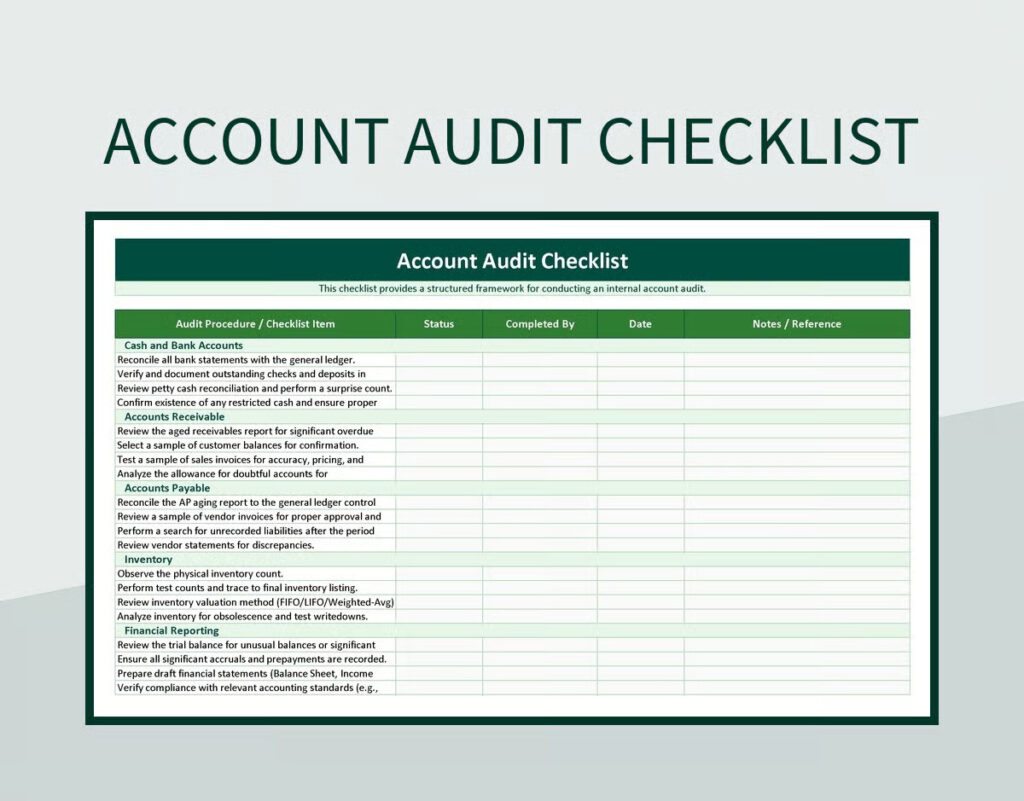

A finance audit checklist is one of the most powerful tools for businesses that want to maintain accurate financial records and avoid costly audit issues. Many organizations struggle with missing documents, inconsistent records, or last-minute audit preparation, which leads to stress and potential penalties.
In 2026, financial regulations and reporting standards continue to become stricter, making it essential for businesses to adopt a structured audit preparation guide. A well-organized checklist not only ensures compliance but also helps identify errors early, improve financial transparency, and support better decision-making.
This guide is designed to solve common audit problems by providing a clear, practical, and easy-to-follow financial audit checklist that works for businesses of all sizes.
Why a Finance Audit Checklist is Important
A finance audit checklist helps businesses stay organized and prepared throughout the year instead of rushing during audit season. It ensures that all financial data is accurate, properly documented, and aligned with compliance requirements.
Using a structured audit compliance checklist reduces the risk of errors, fraud, and regulatory penalties. It also improves internal processes by identifying weaknesses in financial systems and controls. For business owners, this means fewer surprises and greater confidence during audits.
Common Problems Businesses Face Without a Checklist
Without a proper financial audit checklist, businesses often face issues such as incomplete financial records, delayed reconciliations, and inaccurate reporting. These problems can lead to audit failures, financial losses, and damaged credibility.
Another common challenge is poor audit risk management, where small discrepancies are ignored until they become major issues. A checklist helps prevent these problems by ensuring every detail is reviewed consistently.
Step-by-Step Finance Audit Checklist
Review Financial Statements Thoroughly
Start by analyzing key reports such as balance sheets, income statements, and cash flow statements. Ensure all figures are accurate, consistent, and properly categorized. This step forms the foundation of your financial records review.
Perform Bank Reconciliation Regularly
Compare bank statements with internal records to identify discrepancies such as missing or duplicate transactions. Regular reconciliation improves accuracy and reduces audit risks.
Verify Accounts Payable and Receivable
Check all invoices, payments, and outstanding balances. Make sure records match vendor and customer statements. This step helps maintain accurate cash flow and prevents disputes.
Examine Expense Records and Supporting Documents
Review all expenses to ensure they are valid, properly categorized, and supported by receipts or invoices. This reduces the chances of errors and improves audit compliance.
Evaluate Internal Audit Checklist Procedures
Strong internal audit checklist practices include reviewing approval processes, access controls, and segregation of duties. These measures help prevent fraud and ensure accountability.
Check Tax Compliance and Filings
Verify that all tax returns are accurate and submitted on time. Ensure that tax calculations, deductions, and liabilities are properly recorded. This is a critical part of any audit preparation guide.
Audit Payroll and Employee Data
Review payroll records, including salaries, benefits, and tax deductions. Ensure compliance with applicable laws and accurate reporting of employee-related expenses.
Maintain Clear Audit Documentation
Organize all financial documents such as contracts, invoices, and receipts. Proper audit documentation ensures a smooth audit process and provides a clear audit trail for verification.
Best Practices to Improve Audit Preparation
To get the most out of your finance audit checklist, businesses should maintain updated records throughout the year. Using accounting software can help automate processes and reduce human errors.
Regular internal audits and consistent monitoring of financial data also play a key role in improving audit readiness. Training staff on financial procedures and compliance requirements further strengthens your audit process.
Common Mistakes to Avoid During Financial Audits
One of the biggest mistakes businesses make is waiting until the last minute to prepare for audits. This often results in missing documents and increased stress.
Another common issue is ignoring small discrepancies, which can grow into larger problems over time. Weak internal controls and poor documentation practices also increase audit risks. Avoiding these mistakes requires a proactive and consistent approach.
How This Finance Audit Checklist Solves Real Business Problems
This finance audit checklist provides a structured system that eliminates confusion and ensures every financial area is properly reviewed. It helps businesses stay organized, reduce errors, and improve financial accuracy.
By following this checklist, you can identify issues early, maintain compliance, and approach audits with confidence. It transforms audit preparation from a stressful task into a manageable and efficient process.
Conclusion
A finance audit checklist is essential for any business that wants to maintain financial accuracy, ensure compliance, and reduce risks. By following a structured financial audit checklist 2026, you can avoid common mistakes, improve internal controls, and prepare confidently for audits.
In today’s competitive environment, businesses that prioritize proper audit preparation guide practices are more likely to achieve long-term success. Consistency, accuracy, and proactive planning are the keys to a smooth and successful audit process.