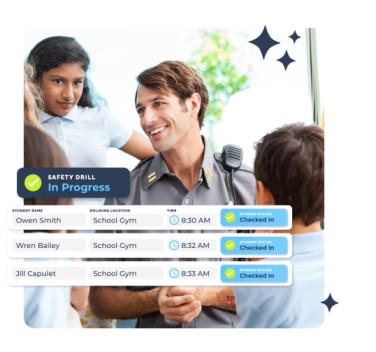

Schools today face increasing pressure to maintain student safety while ensuring smooth daily operations. From managing attendance records to responding quickly during emergencies, educational institutions need reliable digital tools that improve communication, accountability, and security. Two of the most important technologies helping schools achieve these goals are the school emergency alert system and student attendance management software.
When these systems work together, schools can respond faster during emergencies, track student locations more accurately, and improve communication between administrators, teachers, parents, and emergency responders. This integration creates a safer and more organized learning environment for everyone on campus.
In this blog, we’ll explore how emergency alert systems and attendance software complement each other, the benefits of combining them, and why modern schools are investing in integrated safety solutions.
Understanding a School Emergency Alert System
A school emergency alert system is a digital communication platform designed to send immediate notifications during emergencies or urgent situations. These alerts can be delivered through:
- SMS messages
- Mobile app notifications
- Emails
- Automated phone calls
- Desktop alerts
- PA system integrations
Schools use emergency alert systems during situations such as:
- Severe weather conditions
- Lockdowns
- Fire drills
- Medical emergencies
- Bus delays
- Security threats
- Campus evacuations
The primary goal is to deliver real-time information quickly and accurately so that staff, students, and parents can take immediate action.
What Is Student Attendance Management Software?
Student attendance management software helps schools digitally record, monitor, and manage student attendance data. Instead of relying on paper registers or manual spreadsheets, schools can automate attendance tracking using:
- RFID cards
- QR codes
- Biometric systems
- Mobile attendance apps
- Classroom check-ins
- GPS-enabled school transport tracking
This software provides real-time attendance reports and helps administrators identify absenteeism patterns, late arrivals, and student movement throughout the school day.
Key features often include:
- Automated attendance recording
- Parent notifications for absences
- Real-time student tracking
- Attendance analytics and reports
- Integration with student databases
- Mobile accessibility for teachers and parents
Why Schools Need Both Systems Together
While attendance software and emergency alert systems serve different purposes, combining them creates a comprehensive school safety solution.
Attendance software answers:
“Who is present today?”
Emergency alert systems answer:
“How do we communicate during an emergency?”
Together, they help schools know exactly where students are and communicate instantly during critical situations.
How Emergency Alert Systems and Attendance Software Work Together
1. Real-Time Student Accountability During Emergencies
One of the biggest challenges during emergencies is identifying which students are on campus and where they are located.
With integrated student attendance management software, administrators can instantly access accurate attendance records during:
- Lockdowns
- Fire evacuations
- Natural disasters
- Medical incidents
When connected to a school emergency alert system, schools can quickly determine:
- Which students are safe
- Which students are absent
- Which classrooms require assistance
- Whether all students have been evacuated
This reduces confusion and improves emergency response efficiency.
2. Faster Emergency Communication
During emergencies, every second matters. Attendance systems provide real-time student data that helps emergency alert systems send accurate notifications.
For example:
- Parents can receive instant alerts if their child is marked safe after an evacuation.
- Staff members can receive location-specific instructions.
- Administrators can communicate with only affected classrooms or grade levels.
This targeted communication improves coordination and prevents misinformation.
3. Improved Evacuation Management
During evacuations, schools must ensure every student is accounted for. Traditional paper-based attendance checks can slow down the process and increase errors.
Integrated systems allow teachers to:
- Access digital attendance lists on mobile devices
- Mark students present at evacuation points
- Report missing students immediately
- Share updates with administrators in real time
This digital process improves accuracy and speeds up emergency response.
4. Better Parent Communication
Parents expect immediate updates during school emergencies. Combining attendance tracking with emergency alerts helps schools provide accurate and timely information.
Examples include:
- “Your child has safely evacuated the building.”
- “School dismissal is delayed due to severe weather.”
- “Your child was absent during today’s emergency drill.”
These automated updates reduce panic and improve trust between schools and families.
5. Enhanced Campus Security
Modern schools must monitor who enters and exits campus throughout the day. Attendance systems help track student movement while emergency alert systems notify staff about security concerns.
Integrated systems can help schools:
- Identify unauthorized campus exits
- Monitor late arrivals
- Track visitors and student movement
- Send immediate alerts for security breaches
This creates a more secure campus environment.
6. Streamlined Emergency Drills
Schools regularly conduct:
- Fire drills
- Lockdown drills
- Earthquake preparedness exercises
Attendance software simplifies these drills by allowing teachers to complete digital attendance checks quickly. Emergency alert systems can automatically initiate drill notifications and instructions.
Administrators can also generate drill performance reports to identify areas for improvement.
7. Centralized Data Management
Managing separate systems often creates communication gaps. Integration allows schools to centralize:
- Student records
- Attendance logs
- Emergency contact details
- Communication history
- Incident reports
Having all information in one platform improves operational efficiency and helps administrators make faster decisions during emergencies.
Benefits of Combining School Emergency Alert Systems with Attendance Software
Increased Student Safety
Real-time visibility into student attendance helps schools respond more effectively during emergencies and reduces the risk of missing or unaccounted students.
Faster Decision-Making
Administrators can quickly access live data and send immediate alerts without manually collecting information.
Reduced Administrative Workload
Automation minimizes paperwork, manual attendance tracking, and repetitive communication tasks.
Improved Compliance
Many schools must meet government and district safety regulations. Integrated systems help maintain accurate records for audits and compliance reporting.
Stronger Parent Trust
Transparent communication reassures parents that the school prioritizes student safety and operational efficiency.
Features Schools Should Look For
When selecting integrated solutions, schools should prioritize the following features:
Real-Time Attendance Tracking
The system should provide instant attendance updates throughout the school day.
Multi-Channel Emergency Notifications
Alerts should be sent through SMS, app notifications, email, and voice calls.
Mobile Accessibility
Teachers and administrators should be able to manage attendance and alerts using smartphones or tablets.
Cloud-Based Access
Cloud systems allow secure access from anywhere during emergencies.
Automated Parent Notifications
Parents should receive automatic updates regarding attendance and emergency situations.
Integration Capabilities
The platform should integrate with:
- Student information systems (SIS)
- Visitor management systems
- Transportation software
- School communication apps
Reporting and Analytics
Schools should be able to generate reports for attendance trends, emergency drills, and incident management.
The Future of School Safety Technology
Technology continues to transform school safety and operations. Future innovations may include:
- AI-powered threat detection
- Facial recognition attendance systems
- Smart campus monitoring
- Geolocation-based emergency alerts
- Predictive attendance analytics
As schools continue adopting digital solutions, the integration between emergency alert systems and attendance management platforms will become even more essential.
Conclusion
A modern school emergency alert system and student attendance management software are no longer optional tools for schools focused on safety and efficiency. Together, these systems provide real-time accountability, faster emergency communication, better evacuation management, and improved parent engagement.
By integrating attendance tracking with emergency response technology, schools can create a safer learning environment while reducing administrative burdens and improving operational accuracy.
As student safety remains a top priority, investing in connected school technology solutions helps schools stay prepared for both daily operations and unexpected emergencies.
FAQ
What is a school emergency alert system?
A school emergency alert system is a communication platform that sends instant notifications during emergencies such as lockdowns, severe weather, evacuations, or security threats.
How does student attendance management software improve school safety?
Student attendance management software provides real-time attendance tracking, helping schools quickly identify which students are present during emergencies.
Why should schools integrate attendance software with emergency alert systems?
Integration helps schools improve emergency response, streamline communication, and ensure all students are accounted for during critical situations.
Can parents receive emergency notifications through these systems?
Yes, most systems allow schools to send instant alerts to parents through SMS, mobile apps, email, or automated phone calls.
What features should schools look for in attendance management software?
Schools should look for features such as real-time attendance tracking, mobile access, automated notifications, reporting tools, and integration with emergency systems.
Are cloud-based school safety systems secure?
Most modern cloud-based platforms use encrypted data storage and secure access controls to protect student information and maintain compliance with privacy regulations.
How do these systems help during evacuations?
Teachers can use digital attendance tools to confirm student presence at evacuation points, while emergency alert systems provide real-time instructions and updates.
Can small schools benefit from integrated safety systems?
Yes, schools of all sizes can improve safety, communication, and operational efficiency using integrated emergency alert and attendance management solutions.