
Digital screens have become a major part of modern life. From smartphones and tablets to laptops and televisions, people spend countless hours every day looking at screens for work, education, communication, and entertainment. While technology has made life more convenient, increased screen exposure has also created new concerns about eye health and visual comfort.
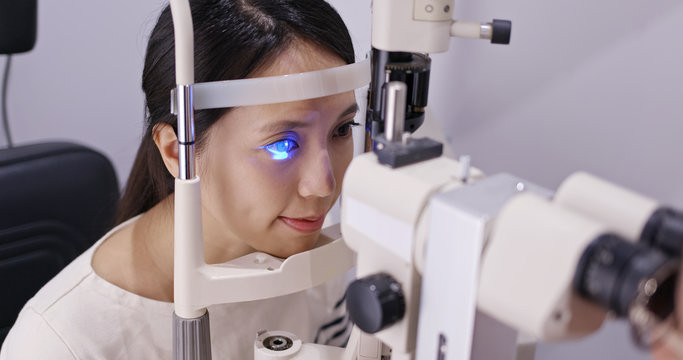
The growing demand for professional vision care has encouraged more people to schedule an eye check in Sydney to monitor their eyesight and identify screen-related vision problems early. Many individuals experience discomfort without realizing that their digital habits may be contributing to eye strain and fatigue. As screen time continues to rise across all age groups, understanding its effects on eye health has become more important than ever.
The Rise of Digital Screen Usage
Over the past decade, screen usage has increased dramatically. Most office jobs now require employees to spend hours working on computers, while students rely on digital devices for online learning and assignments. Social media, streaming platforms, and mobile gaming have also contributed to longer periods of screen exposure during personal time.
Adults and children alike often spend several hours per day using digital devices without taking adequate breaks. This constant visual demand places pressure on the eyes and can lead to various short-term and long-term vision concerns. Since digital screens are now unavoidable in daily life, practicing healthy screen habits is essential for maintaining comfortable vision.
Common Eye Problems Caused by Screens
Digital Eye Strain
One of the most common issues linked to prolonged screen use is digital eye strain. This condition occurs when the eyes become tired from focusing on screens for extended periods. Symptoms may include headaches, blurred vision, sore eyes, neck pain, and difficulty concentrating.
Unlike reading printed material, digital screens often require the eyes to work harder because of glare, brightness, and changing contrast levels. Poor posture and improper screen positioning can make these symptoms even worse.
Dry Eyes
People tend to blink less frequently while looking at screens. Reduced blinking causes tears to evaporate more quickly, resulting in dry, irritated eyes. This is especially common among office workers and individuals who use smartphones for long periods without breaks.
Dry eyes can create burning sensations, redness, and discomfort throughout the day. Air-conditioned environments and bright screen settings may also contribute to worsening symptoms.
Blurred Vision and Focus Problems
Spending too much time focusing on close-up digital screens may temporarily affect the eyes’ ability to adjust between near and distant objects. Some individuals notice blurry distance vision after long computer sessions or difficulty refocusing their eyes.
These problems are usually temporary, but repeated strain may increase overall visual discomfort over time.
How Blue Light Impacts Vision
Digital devices emit blue light, which is a high-energy visible light naturally present in sunlight as well. While blue light exposure from screens is generally lower than sunlight exposure, excessive nighttime screen use may still affect visual comfort and sleep quality.
Many people report eye fatigue and difficulty sleeping after prolonged evening screen use. Blue light can interfere with the body’s natural sleep cycle by reducing melatonin production, making it harder to fall asleep.
Regular appointments for an eye check in Sydney can help identify whether screen exposure is affecting visual comfort or contributing to headaches and fatigue. Eye care professionals may recommend blue light filtering lenses, screen adjustments, or lifestyle changes depending on individual needs.
The Impact of Screens on Children’s Eye Health
Children today are exposed to screens at a much younger age than previous generations. Online education, mobile games, and streaming services have increased the amount of time children spend indoors using digital devices.
Excessive screen time may contribute to eye strain, poor sleep habits, and increasing rates of nearsightedness in children. Outdoor activities are important because natural daylight and distance viewing help support healthy visual development.
Parents should encourage regular screen breaks and create balanced routines that limit unnecessary device usage. Scheduling routine vision examinations is also essential for detecting any early vision problems that may affect learning and development.
Workplace Screen Exposure and Eye Fatigue
Modern workplaces rely heavily on digital technology. Employees often spend entire workdays in front of computer monitors, which can place significant strain on the eyes.
Poor lighting, improper viewing distance, and screen glare are common workplace issues that contribute to visual discomfort. Workers may experience tired eyes, headaches, and reduced productivity by the end of the day.
Professionals who frequently use computers are often advised to schedule an eye check in Sydney to ensure their vision remains healthy and comfortable during daily screen use. Corrective lenses designed for computer work may help reduce strain and improve focus.
Tips to Protect Your Eyes from Digital Screens
Follow the 20-20-20 Rule
A simple way to reduce eye strain is by following the 20-20-20 rule. Every 20 minutes, look at something 20 feet away for at least 20 seconds. This helps relax the eye muscles and reduce fatigue.
Adjust Screen Brightness and Distance
Keeping screens at a comfortable brightness level and maintaining proper viewing distance can improve visual comfort. Screens should generally be positioned slightly below eye level to reduce strain.
Use Proper Lighting
Reducing glare from windows or overhead lighting can make screen viewing easier on the eyes. Anti-glare filters may also help minimize discomfort.
Take Regular Breaks
Frequent breaks allow the eyes to rest and recover from prolonged focus. Standing up, stretching, and briefly stepping away from screens can improve both eye comfort and overall well-being.
When to Seek Professional Eye Care
Occasional eye fatigue may be common, but persistent symptoms should not be ignored. Frequent headaches, blurry vision, dry eyes, or difficulty focusing may indicate the need for professional evaluation.
Routine eye examinations help detect vision problems early and ensure that corrective solutions are provided before symptoms worsen. Eye care professionals can also recommend personalized strategies to reduce digital eye strain based on lifestyle and work habits.
Conclusion
Digital screens are now an unavoidable part of modern life, but excessive screen exposure can negatively affect eye health if proper precautions are not taken. Eye strain, dry eyes, blurred vision, and sleep disturbances are increasingly common among people who spend long hours using digital devices.
By practicing healthy screen habits, taking regular breaks, and scheduling routine eye examinations, individuals can protect their vision and reduce discomfort. Maintaining good eye health today can help support clearer, more comfortable vision in the future.