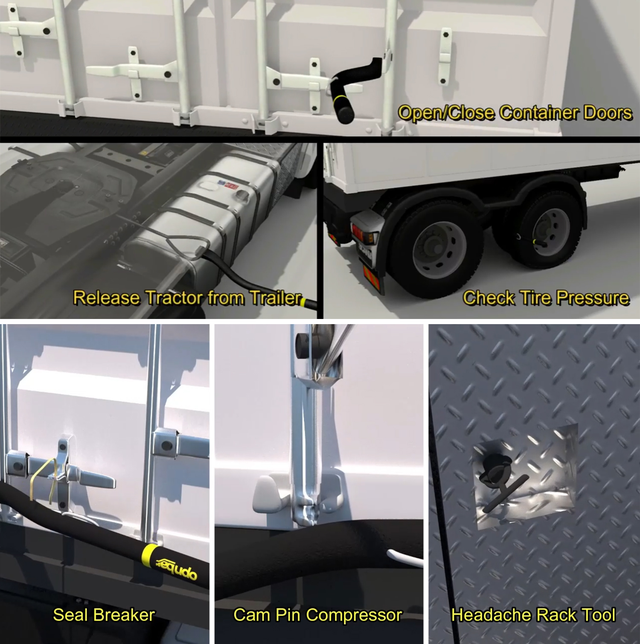

Shipping containers are built for durability, security, and heavy-duty transportation, but over time even the toughest containers develop operational issues. One of the most frustrating problems operators face is a hard to close shipping container door. Whether you work in a warehouse, port terminal, rail yard, trucking operation, or container storage facility, difficult container doors can slow productivity, increase labor strain, and create serious safety concerns.
Many workers treat stubborn container doors as a normal part of the job, but ignoring the issue or using unsafe methods to force the doors shut often leads to even bigger problems. The good news is that there are reliable ways to solve the issue safely and efficiently while protecting both workers and container hardware.

Why a Hard to Close Shipping Container Door Happens:
Shipping container doors are engineered to create a secure and weather-resistant seal. However, constant exposure to heavy cargo loads, environmental conditions, and repeated use gradually affects door alignment and locking performance.
Warped Container Frames:
Containers regularly experience stress during shipping, stacking, and lifting operations. Over time, the frame may twist slightly, causing the door alignment to shift. Even small frame distortions can make a hard to close shipping container door much more difficult to handle.
Rust and Corrosion:
Containers are often exposed to rain, humidity, saltwater air, and extreme weather. Rust builds up around hinges, locking rods, and cam keepers, creating extra friction that prevents smooth door movement.
Misaligned Lock Rods:
Lock rods play a critical role in securing container doors. If rods become bent, worn, or misaligned, they no longer fit correctly into the locking cams, making the doors harder to close properly.
Damaged Door Gaskets:
The rubber gaskets around container doors help create a weatherproof seal. As these seals age or become compressed, additional resistance develops when trying to shut the doors tightly.

Cargo Pressure Inside the Container:
Improperly loaded cargo can shift during transport and push against the doors from the inside. This pressure creates extra force that makes the container door difficult to secure.
The Hidden Risks of Forcing Container Doors Shut:
When dealing with a hard to close shipping container door, many operators use pipes, pry bars, or random metal tools to gain leverage. Although this may seem like a quick fix, it often creates serious operational and safety issues.
Increased Injury Risk:
Improvised tools can easily slip during use, leading to sudden movements that strain the shoulders, wrists, back, and arms. Workers handling stubborn container doors are at higher risk of muscle injuries and accidents.
Damage to Container Hardware:
Using uncontrolled force can bend lock rods, crack handles, or damage cam keepers. Over time, repeated abuse shortens the lifespan of the container hardware and increases maintenance costs.
Slower Operations:
Every extra minute spent struggling with a difficult container door reduces overall efficiency. In high-volume logistics environments, delays quickly add up and affect productivity.
Inconsistent Results:
Pipes and random bars do not provide stable or reliable leverage. Workers often need multiple attempts to close the door properly, wasting additional time and energy.

The Smarter Solution for a Hard to Close Shipping Container Door:
Instead of relying on unsafe workarounds, many professionals now use purpose-built leverage tools designed specifically for container operations.
Why OPNBar Is a Better Option:
OPNBar is engineered to provide controlled leverage for stubborn container doors without damaging hardware or risking worker safety.
Key advantages include:
- High-leverage design for smoother operation
- Secure grip on container lock rods and handles
- Reduced physical strain during door closure
- Durable construction for industrial environments
- Reliable performance in ports, warehouses, and rail yards
Unlike traditional pipes or unstable bars, OPNBar gives operators consistent leverage exactly where it is needed. This transforms a difficult and frustrating task into a safer and more controlled process.

How to Safely Close a Difficult Shipping Container Door:
When handling a hard to close shipping container door, following the correct process helps prevent injuries and equipment damage.
- Inspect the Container First:
Check for visible obstructions, shifted cargo, damaged hinges, or excessive rust buildup before attempting to close the door.
- Align the Door Properly:
Ensure the container frame and hinges are square and properly aligned. Misalignment is one of the most common causes of difficult door closure.
- Use a Professional Leverage Tool:
Place the leverage tool securely on the lock rod or handle to maximize stability and control.
- Apply Controlled Pressure:
Avoid sudden jerking motions. Smooth and controlled force reduces stress on both the worker and the container hardware.
- Confirm Full Lock Engagement:
Once closed, make sure the locking cams are fully secured to ensure a safe and weather-tight seal.
Why Made in USA Tools Matter:
Choosing a professional-grade Made in USA tool for container operations provides several long-term benefits.
Better Durability:
Industrial environments require tools capable of handling daily heavy-duty use. High-quality materials improve reliability and lifespan.
Consistent Performance:
Cheap or poorly manufactured tools often fail under pressure. Professional tools deliver dependable performance every time.
Improved Workplace Safety:
Reliable tools reduce the chance of slipping, breakage, or inconsistent leverage during operation.
Long-Term Cost Savings:
Investing in quality equipment minimizes maintenance costs, hardware damage, and worker injuries over time.

Industries That Commonly Face Container Door Problems:
A hard to close shipping container door is a common issue across many industries, including:
- Shipping and freight operations
- Warehousing and logistics facilities
- Rail and intermodal terminals
- Construction equipment storage
- Agriculture and farming operations
- Import and export businesses
- Port and dockyard operations
Any business handling containers regularly can benefit from safer and more efficient door handling solutions.
Improve Productivity and Workplace Safety:
In busy logistics environments, efficiency matters. Workers should not waste time fighting with stubborn container doors or risking injuries using unsafe tools. Professional leverage tools improve workflow, reduce downtime, and help maintain safer working conditions.
A properly designed solution not only saves time but also protects valuable container hardware from unnecessary damage. For operations managing dozens or even hundreds of containers daily, these improvements can significantly impact productivity and operational costs.
Final Thoughts:
A hard to close shipping container door is more than just an inconvenience. It affects workplace safety, slows operations, increases labor strain, and can damage expensive container hardware if handled improperly.
The safest and most efficient approach is to stop relying on makeshift tools and upgrade to a purpose-built leverage solution like OPNBar. With better control, improved safety, and reliable performance, operators can handle difficult container doors faster and with far less effort.
Whether you manage a warehouse, shipping terminal, freight company, or industrial storage operation, using the right tools helps create safer workflows, faster turnaround times, and more dependable daily performance. Investing in professional container door handling equipment is a smart step toward improving both productivity and workplace safety.
Address:10053 Whittwood Dr,
Suite 11284 Whittier, CA 90603
USA | 657.6. OPNBAR
Phone: 657-667-6227
YouTube Video: https://www.youtube.com/watch?v=VUzm6zw8rss