
Tractors have long been considered the backbone of modern agriculture, construction, and landscaping. Whether you’re a farmer, landscaper, or construction worker, you know that the right tractor attachments can significantly enhance the versatility and productivity of your tractor. One of the essential components in this regard is the Category 1 drawbar, which plays a pivotal role in connecting various attachments to your tractor. In this article, we’ll dive deep into tractor attachments and the specific role of the Category 1 drawbar, helping you understand how both work together to optimize your equipment.
Tractor Attachments: Boosting Efficiency
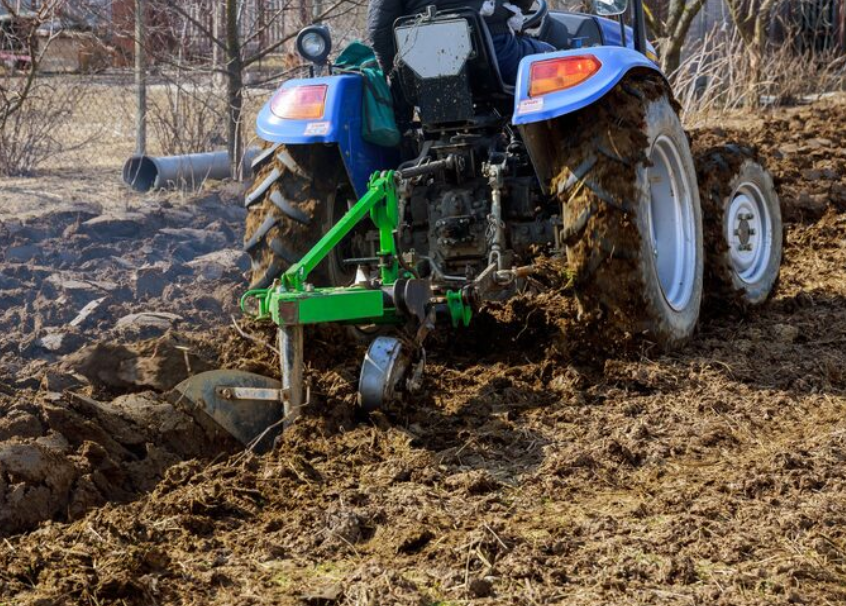
Tractor attachments are specialized tools that connect to the tractor’s three-point hitch, offering a wide range of capabilities. From plowing fields to mowing lawns, these attachments allow tractors to perform tasks that would otherwise be labor-intensive or difficult to complete manually. With the right attachments, a tractor can be transformed into a multi-purpose workhorse capable of handling virtually any task.
Some of the most common tractor attachments include plows, harrows, cultivators, mowers, and seeders. Each attachment is designed for a specific purpose, and many can be easily swapped out depending on the job at hand. The ability to interchange attachments makes the tractor an incredibly versatile piece of machinery, saving time and money for those who rely on it for various tasks.
However, while the attachments themselves are crucial, the Category 1 drawbar is equally essential as it serves as the anchor point for these attachments.
Understanding the Category 1 Drawbar
The Category 1 drawbar is part of the three-point hitch system that tractors use to attach implements and accessories. It is specifically designed for smaller, compact tractors, typically those with a horsepower range of 15 to 45. The drawbar is a simple but critical component that allows you to connect various tractor attachments securely and safely.
The Category 1 drawbar consists of a frame with a pin or hitch system, which enables it to connect the tractor to the attachment. It plays an essential role in ensuring that the implement remains stable during operation, even under heavy load. The drawbar is designed to handle the physical stress and strain of pulling attachments across the field, making it a crucial part of any tractor setup.
What makes the Category 1 drawbar particularly valuable is its compatibility with a wide range of tractor attachments. As long as the attachments are designed for a Category 1 hitch, they can be connected to the drawbar, providing the tractor with enhanced functionality.
Benefits of Using Tractor Attachments with a Category 1 Drawbar
One of the key advantages of using a Category 1 drawbar in conjunction with tractor attachments is the ease of attachment and detachment. Thanks to the three-point hitch system and the sturdy design of the drawbar, switching between different implements can be done quickly and efficiently, minimizing downtime and maximizing productivity.
Moreover, the drawbar ensures that the attachments remain securely fastened while in use, even during heavy-duty tasks. The connection is robust and stable, which means that the tractor can handle more demanding jobs without risking damage to the tractor or the attachment.
Using the right tractor attachments with a Category 1 drawbar can also help improve safety. Properly connected and well-maintained attachments reduce the chances of accidents or malfunctions during operation, which is crucial when working with heavy equipment. A reliable attachment system ensures that the tractor remains in control, even under challenging conditions.
Selecting the Right Tractor Attachments for Your Category 1 Drawbar
When selecting tractor attachments, it’s essential to ensure that they are compatible with the Category 1 drawbar. Most modern attachments are designed to fit a range of hitch sizes, but it’s always important to verify that the attachment is indeed compatible with a Category 1 setup.
For example, if you’re looking for a plow to break up soil or a mower to trim your fields, you’ll want to select an attachment that is specifically designed to connect to a Category 1 drawbar. These attachments typically come with adjustable hitches that allow you to customize the fit, ensuring that they remain secure during use.
Another consideration when selecting tractor attachments is the weight and capacity. Even though the Category 1 drawbar can handle a variety of attachments, each implement has its own weight and power requirements. It’s crucial to select attachments that match your tractor’s specifications to ensure optimal performance.
The Versatility of Tractor Attachments
One of the most significant benefits of tractor attachments is their versatility. With the right drawbar and a set of attachments, a tractor can be used for numerous tasks throughout the year. Whether it’s tilling the soil, hauling equipment, or clearing snow, your tractor can handle it all with the appropriate attachments and a secure Category 1 drawbar.
For example, if you’re in the agricultural industry, you might find that a Category 1 drawbar is essential for connecting a cultivator, which is used to prepare the soil for planting. Once the planting season is over, you can switch to a mower or baler attachment to help manage your crops.
The versatility of the Category 1 drawbar extends beyond agriculture. It’s also an asset for landscaping and construction professionals who require a tractor to perform a variety of tasks. Attachments such as backhoes, post-hole diggers, and even trailers can be easily connected to the drawbar, giving the tractor the ability to tackle almost any job.
Maintenance of Tractor Attachments and the Category 1 Drawbar
Like any piece of machinery, proper maintenance is essential for ensuring that both tractor attachments and the Category 1 drawbar remain in good working condition. Regular inspection of the hitch system, as well as the drawbar, is critical to ensure that everything remains securely fastened during operation.
One of the most common maintenance tasks involves lubricating the drawbar’s pins and joints to reduce wear and tear. Additionally, it’s essential to check for any loose bolts or cracks in the drawbar and replace any damaged parts immediately.
Likewise, the tractor attachments themselves require regular upkeep. Depending on the type of attachment, you may need to sharpen blades, check hydraulic systems, or replace worn-out parts. Proper care will ensure that your tractor, along with its attachments, continues to perform at its best.
Conclusion
The combination of tractor attachments and a reliable Category 1 drawbar provides unmatched versatility and efficiency for a wide range of tasks. Whether you’re working in agriculture, landscaping, or construction, the ability to swap between different attachments quickly and easily can save you both time and money. By selecting the right attachments and ensuring they are properly connected to your Category 1 drawbar, you’ll be able to optimize your tractor’s performance and tackle virtually any job with ease.