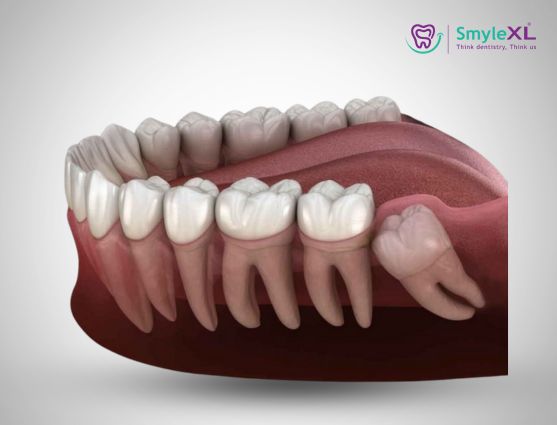

A patient once asked right after surgery, “Doctor, my face feels different… is it actually changing?” It sounds simple, but this question carries a lot of confusion. The moment someone hears about wisdom tooth removal, thoughts go beyond pain and shift toward appearance. Will the jawline change? Will the face look slimmer? These doubts are common and mostly come from misinformation.
For many people around Sun Pharma Road, balancing busy routines, long work hours, and dealing with constant tooth discomfort, this becomes a surprisingly common concern when thinking about wisdom tooth extraction in sun pharma road. Understanding what really happens after the procedure is the first step toward clearing these doubts and making a confident decision. At SmyleXL Dental Clinic, dentists regularly hear the same question: “Will my face change after this?” Let’s break it down in a simple and practical way.
Table of Contents
- Does Wisdom Tooth Removal Affect Face Shape
- Why This Concern Is So Common
- Temporary vs Permanent Changes
- Role of Bone Structure and Wisdom Teeth
- What Happens During Wisdom Teeth Surgery
- Healing Time and Recovery
- Managing Pain and Swelling
- Possible Complications
- Cost of Wisdom Tooth Extraction
- Final Understanding
Does Wisdom Tooth Removal Affect Face Shape
Let’s get straight to the point. Wisdom tooth removal does not permanently change your face shape. These teeth are located at the back of your mouth and do not support your cheeks or jawline. Your facial structure depends on your jawbone, cheekbones, and soft tissues, not on your wisdom teeth. Whether it is a simple wisdom tooth removal or a more complex surgical wisdom tooth extraction, your appearance remains the same after healing.
Many people worry about changes like a sharper jawline or sunken cheeks. In reality, these expectations come from myths, not from actual dental outcomes. The purpose of removing wisdom teeth is to eliminate pain, infection, or pressure, not to alter facial structure.
Why This Concern Is So Common
This concern exists because the experience after extraction can feel different for a few days. After wisdom teeth surgery, your body reacts with swelling as part of the healing process. When you see your face during this phase, it may look slightly fuller or uneven, which creates the impression of change.
Another reason is that some people already have swelling before the procedure due to infection or impacted teeth. Once the tooth is removed, that swelling gradually reduces, making the face appear more relaxed. This contrast often leads people to believe that their face shape has changed.
Social media and word-of-mouth stories also play a role. People tend to share extreme experiences, which can create unnecessary fear for others.
Temporary vs Permanent Changes
It is important to understand the difference between temporary effects and permanent changes. After wisdom tooth extraction, your face may go through a short phase where it looks slightly different. This includes swelling, tightness, or mild discomfort.
Common temporary effects include:
- Swelling around the cheeks and jaw
- Difficulty opening the mouth fully
- Slight asymmetry if one side is treated
- Tenderness in the surrounding area
These effects are completely normal and usually settle within a few days. There are no long-term facial changes after wisdom tooth extraction. Once the healing process is complete, your face returns to its natural appearance.
Role of Bone Structure and Wisdom Teeth
Your facial shape is defined by your bone structure and soft tissues. Wisdom teeth do not play a role in shaping your face. Even in cases of impacted wisdom tooth removal, the procedure focuses only on the tooth and the immediate surrounding area.
The deeper jawbone that determines your facial appearance is not altered during the extraction. This is why the connection between bone structure and wisdom teeth does not lead to visible changes. Your jawline, cheek support, and facial symmetry remain the same after the procedure.
What Happens During Wisdom Teeth Surgery
Understanding the process can help reduce fear and confusion. Wisdom teeth surgery begins with a proper examination, including X-rays to understand the position of the tooth. The dentist then uses local anesthesia to numb the area, ensuring that you do not feel pain during the procedure.
Depending on the position of the tooth, the dentist performs either a simple extraction or a surgical wisdom tooth extraction. In more complex cases, such as third molar extraction where the tooth is impacted, a small incision may be made. The tooth is then carefully removed, and stitches may be placed if needed.
During the procedure, you may feel some pressure, but there is no pain. The entire process is controlled and designed to be as comfortable as possible.
Healing Time and Recovery
The healing time after wisdom tooth extraction is usually smooth if proper care is followed. The first day may involve mild bleeding and numbness. Swelling typically increases during the second and third day, which is a normal part of healing.
After that, the swelling gradually reduces. Most people feel significantly better within a week and can return to their daily activities. Complete healing may take a couple of weeks depending on the complexity of the extraction.
When people ask how long swelling lasts after wisdom tooth removal, the answer is usually two to four days, although it may last slightly longer in surgical cases.
Managing Pain and Swelling
Post-operative care plays a major role in recovery. Pain management after wisdom tooth surgery is straightforward and involves following your dentist’s instructions carefully. Medications are prescribed to control pain and prevent infection.
To support healing, you should:
- Use ice packs during the first 24 hours
- Follow a soft diet after wisdom tooth extraction
- Avoid hot, spicy, or hard foods
- Maintain proper oral hygiene
- Follow post-operative care for wisdom teeth
These steps help reduce swelling, prevent complications, and improve overall oral health after wisdom tooth extraction.
Possible Complications
Most wisdom tooth removals are successful and heal without any problems. However, it is still important to be aware of possible complications. These may include infection, prolonged pain, or a condition known as dry socket.
Signs to watch for include:
- Pain that increases after a few days
- Bad taste or smell from the area
- Swelling that does not reduce
- Fever or discomfort
These wisdom tooth extraction complications are rare and can be managed easily if addressed early. Staying in touch with your dentist ensures a safe recovery.
Cost of Wisdom Tooth Extraction
The cost of wisdom tooth extraction depends on several factors, including the position of the tooth, whether it is impacted, and the type of procedure required. A simple wisdom tooth removal is generally more affordable, while a surgical wisdom tooth extraction may cost more due to its complexity.
Understanding your specific case and treatment plan helps you make an informed decision and avoid surprises.
Final Understanding
The idea that wisdom tooth extraction changes your face shape is a myth. Any visible difference after the procedure is temporary and mainly caused by swelling. Once healing is complete, your face looks the same as before.
In fact, removing a problematic tooth improves comfort, reduces pain, and supports better oral health. For people considering wisdom tooth extraction in sun pharma road, choosing a reliable clinic like SmyleXL Dental Clinic ensures proper care, safe treatment, and a smooth recovery.
At the end of the day, the only real change you will notice is relief and a healthier, more comfortable smile.