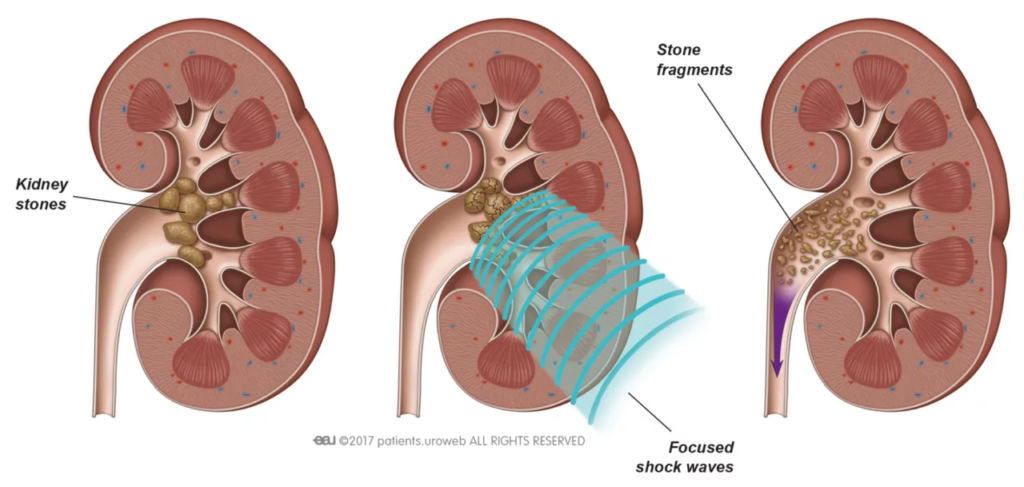

Kidney stones are a common urinary tract condition that can cause intense pain, discomfort, and difficulty in daily life. These hard mineral deposits form inside the kidneys and may vary in size, from tiny crystals to larger stones that block the urinary tract. While some small stones pass naturally, others require medical treatment to avoid complications such as infection, severe pain, or kidney damage.
One of the most effective and widely used treatments for kidney stones is Shock Wave Lithotripsy, also known as Extracorporeal Shock Wave Lithotripsy (ESWL). This non-invasive procedure uses shock waves to break kidney stones into smaller fragments so they can pass naturally through urine. Over the years, ESWL has become a preferred treatment option because it offers faster recovery, minimal discomfort, and excellent results for suitable patients.
In this blog, we will explore the major benefits of shock wave lithotripsy for kidney stones and why it is considered a reliable treatment method.
What Is Shock Wave Lithotripsy?
Shock Wave Lithotripsy is a non-surgical medical procedure designed to treat kidney stones without making any incisions. During the treatment, high-energy shock waves are directed toward the kidney stones using advanced imaging technology such as ultrasound or X-rays. These waves break the stones into smaller pieces, allowing them to pass through the urinary tract more easily.
The procedure is commonly recommended for small to medium-sized kidney stones located in the kidneys or upper urinary tract. ESWL is usually performed on an outpatient basis, meaning patients can return home the same day after treatment.
Major Benefits of Shock Wave Lithotripsy
1. Non-Invasive Treatment Option
One of the biggest advantages of shock wave lithotripsy is that it is completely non-invasive. Unlike traditional surgery, ESWL does not require cuts, stitches, or surgical instruments inside the body.
This reduces:
- Risk of infection
- Bleeding complications
- Surgical trauma
- Need for long hospital stays
Patients often prefer ESWL because it provides effective treatment without the stress associated with surgery.
2. Minimal Pain and Discomfort
Kidney stone surgery can sometimes involve significant pain and recovery time. In contrast, shock wave lithotripsy is relatively comfortable for most patients.
Doctors may use mild sedation or anesthesia during the procedure to ensure patient comfort. After treatment, patients may experience slight soreness or mild discomfort as stone fragments pass naturally, but this is generally manageable with medications and hydration.
Compared to invasive procedures, ESWL offers a much less painful treatment experience.
3. Faster Recovery Time
Another major benefit of ESWL is the quick recovery period. Since there are no surgical incisions, the body heals faster.
Most patients:
- Return home the same day
- Resume normal activities within a few days
- Experience minimal interruption to daily routines
This makes shock wave lithotripsy an excellent option for working professionals, students, and individuals seeking a convenient treatment solution.
4. Effective for Small and Medium Kidney Stones
Shock wave lithotripsy is highly effective for treating kidney stones that are small to medium in size. The procedure can successfully fragment stones into tiny particles that pass naturally through urine.
ESWL is commonly used for:
- Calcium stones
- Uric acid stones
- Stones in the kidney or upper ureter
The success of treatment depends on factors such as stone size, location, and composition. In many cases, patients become stone-free after one or two sessions.
5. Reduced Risk of Complications
Compared to open surgery or more invasive procedures, ESWL has a lower risk of complications.
Potential advantages include:
- Lower infection risk
- Less bleeding
- Minimal tissue damage
- Reduced need for hospitalization
Because the treatment is non-invasive, patients generally experience fewer side effects and recover more comfortably.
6. Outpatient Procedure
Shock wave lithotripsy is usually performed as an outpatient treatment, meaning patients do not need to stay overnight in the hospital.
This provides several benefits:
- Lower medical costs
- Greater convenience
- Reduced hospital-related stress
- Faster return to home comfort
Patients are typically monitored for a short period after the procedure and discharged on the same day.
Patients considering extracorporeal shock wave lithotripsy in Bangalore should consult experienced urologists and choose healthcare centers equipped with modern lithotripsy technology for the best treatment outcomes.
Healthcare providers like SSurocare Hospital continue to support patients with advanced kidney stone care, personalized treatment approaches, and modern minimally invasive solutions designed to improve patient comfort and recovery.
7. Improved Quality of Life
Kidney stones can significantly affect daily life due to pain, nausea, urinary problems, and recurring discomfort. Successful treatment with ESWL can provide quick relief from these symptoms and improve overall well-being.
After stone removal, patients often experience:
- Relief from severe pain
- Better urinary function
- Improved mobility and comfort
- Reduced risk of recurrent blockage
This helps individuals return to normal activities and maintain a healthier lifestyle.
8. Lower Chances of Surgical Scarring
Since ESWL does not involve surgical incisions, there is no visible scarring after treatment. This cosmetic advantage is important for many patients who prefer minimally invasive medical procedures.
The absence of cuts and stitches also contributes to faster healing and reduced post-treatment care requirements.
9. Suitable for Many Patients
Shock wave lithotripsy is considered safe for a wide range of patients with kidney stones. It is commonly recommended for individuals who:
- Have stones smaller than 2 centimeters
- Prefer non-surgical treatment
- Want faster recovery
- Are medically fit for outpatient procedures
However, not all kidney stones can be treated with ESWL. Large stones, very hard stones, or stones in difficult locations may require alternative treatments such as ureteroscopy or percutaneous nephrolithotomy (PCNL). A urologist will determine the best treatment approach based on the patient’s condition.
10. Advanced Technology and High Success Rates
Modern ESWL machines use advanced imaging and targeting systems to improve precision and treatment outcomes. This technology helps doctors accurately focus shock waves on the kidney stones while minimizing damage to surrounding tissues.
As a result, ESWL has become a trusted and widely performed kidney stone treatment worldwide.
Tips for Recovery After ESWL
To ensure smooth recovery after shock wave lithotripsy, patients are often advised to:
- Drink plenty of water
- Take prescribed medications
- Avoid strenuous activities for a few days
- Monitor urine for stone fragments
- Attend follow-up appointments
Proper hydration is especially important because it helps flush out the broken stone particles from the urinary tract.
Conclusion
Shock Wave Lithotripsy has transformed the treatment of kidney stones by offering a safe, effective, and non-invasive alternative to surgery. With benefits such as minimal pain, faster recovery, reduced complications, and outpatient convenience, ESWL has become one of the most preferred kidney stone treatments for eligible patients.
If you are experiencing symptoms of kidney stones, consulting a qualified urologist is essential for proper diagnosis and treatment planning. Early medical attention can help prevent complications and ensure faster recovery.
With modern medical advancements like shock wave lithotripsy, patients can now achieve effective kidney stone treatment with less discomfort and improved quality of life.
Original Sources : – Benefits of Shock Wave Lithotripsy for Kidney Stones