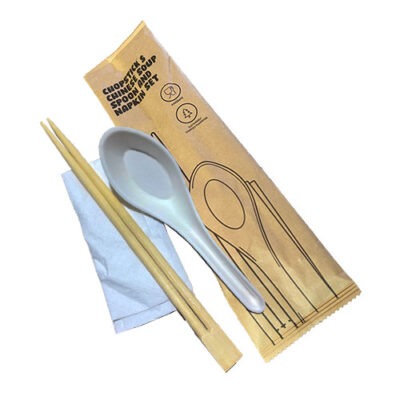

Picking the right chopsticks sounds simple until you actually start comparing them. One pair feels too light. Another splinters after a few uses. Some look great in photos but become slippery halfway through a meal.
That’s why more people are paying attention to the quality behind the products they buy. Whether you run a busy takeaway shop, stock a restaurant, or just enjoy cooking at home, good chopsticks change the eating experience in small but noticeable ways. And with so many chopsticks for sale online, it helps to know what separates a dependable product from a disposable one.
Why material quality matters
The first thing most people notice is the finish.
Cheap chopsticks often feel rough around the edges or overly polished with a glossy coating that becomes slippery when food or sauce gets involved. You notice it fast when you’re trying to pick up noodles or sushi and the grip disappears.
Wood and bamboo remain popular for a reason. They feel natural in the hand and usually provide better control. Bamboo, in particular, has become a common choice for takeaway businesses because it’s lightweight, durable, and works well for single-use dining.
Reusable chopsticks need a little more attention. The balance matters. So does the thickness. A pair that’s too bulky can feel awkward after 15 minutes at the table.
People remember those details more than businesses think.
Comfort changes the dining experience.
You can tell when chopsticks were designed with actual use in mind.
Some sit comfortably between the fingers right away. Others feel square, stiff, or strangely weighted. Restaurants learn this quickly because customers notice small frustrations during meals, even if they never mention them directly.
Comfort also matters for people still learning how to use chopsticks. Textured tips, balanced weight, and smooth edges make the learning curve easier. A poorly shaped pair can turn a simple meal into hard work.
We’ve seen more hospitality businesses move towards products that feel approachable for a wider group of customers. That includes tourists, younger diners, and casual takeaway customers who don’t use chopsticks every day.
Also Read : A Practical Guide to Choosing the Right Plastic Zip Bags
Presentation still counts.
Packaging affects perception more than most people expect.
A clean paper sleeve or neatly wrapped pair of chopsticks gives food a more thoughtful presentation. You see this all the time with sushi takeaway orders. The meal feels more complete when every detail looks intentional.
And customers connect packaging quality with food quality. Fair or not, that’s how people think.
Restaurants also want consistency. If one order includes sturdy chopsticks and another includes flimsy ones that snap halfway through dinner, customers remember the difference.
Choosing chopsticks for different settings
The right product depends on how it’s being used.
A busy takeaway store usually prioritises practicality and cost control. Disposable bamboo chopsticks work well because they’re reliable and easy to store in bulk.
Sit-down restaurants often choose reusable options with a heavier feel. The dining experience lasts longer, so comfort becomes more important.
Home cooks tend to land somewhere in the middle. They want something durable enough for regular meals but still comfortable enough to enjoy using several times a week.
Midway through the search for Chopsticks For Sale, most buyers realise they’re balancing function, presentation, and long-term use all at once.
That’s normal.
Customer expectations have changed.
People notice quality faster now.
Part of that comes from social media and food photography. Meals are shared online constantly, and presentation matters more than it did 10 years ago. Small details end up in every photo.
But expectations have also changed around hygiene and convenience. Individually wrapped chopsticks became more common because customers wanted reassurance about cleanliness. Restaurants adapted quickly.
People also pay attention to texture and usability more than before. If chopsticks feel flimsy or poorly made, customers associate that feeling with the business itself.
It’s a small item with a surprisingly large effect.
Sustainability plays a bigger role.
Disposable dining products get more scrutiny now, especially in hospitality.
Businesses are asking smarter questions about sourcing, waste, and materials. Customers are, too. Bamboo remains popular partly because it grows quickly and breaks down more naturally than many plastic alternatives.
That doesn’t mean every business suddenly needs premium eco branding. Most customers simply want to see some level of thoughtful decision-making behind the products they receive.
And honestly, practical sustainability tends to last longer than marketing slogans anyway.
A durable reusable pair used for years often creates less waste than constantly replacing poor-quality products.
Long-term value beats short-term savings.
Cheap chopsticks can create hidden costs.
Disposable pairs that split easily lead to waste. Poor-quality reusable chopsticks wear down faster, stain more easily, or lose their finish after repeated washing.
Restaurants end up replacing them more often. Customers notice inconsistent quality. Staff spend extra time sorting damaged stock.
Paying slightly more for dependable products usually saves money over time because the experience stays consistent.
That consistency matters. Especially in food service, where people notice small details without always saying them out loud.
Conclusion
Finding reliable chopsticks for sale comes down to a few simple things: comfort, durability, presentation, and practicality. The right choice should feel good to use, suit the type of dining experience you’re creating, and hold up over time.
Customers remember how a meal felt. Sometimes that memory comes from details as small as the chopsticks sitting besides the plate.
At Food Packaging2U, we understand that packaging and dining accessories are part of the full customer experience. That’s why we focus on products that work well in real kitchens, takeaway shops, and restaurants every day.