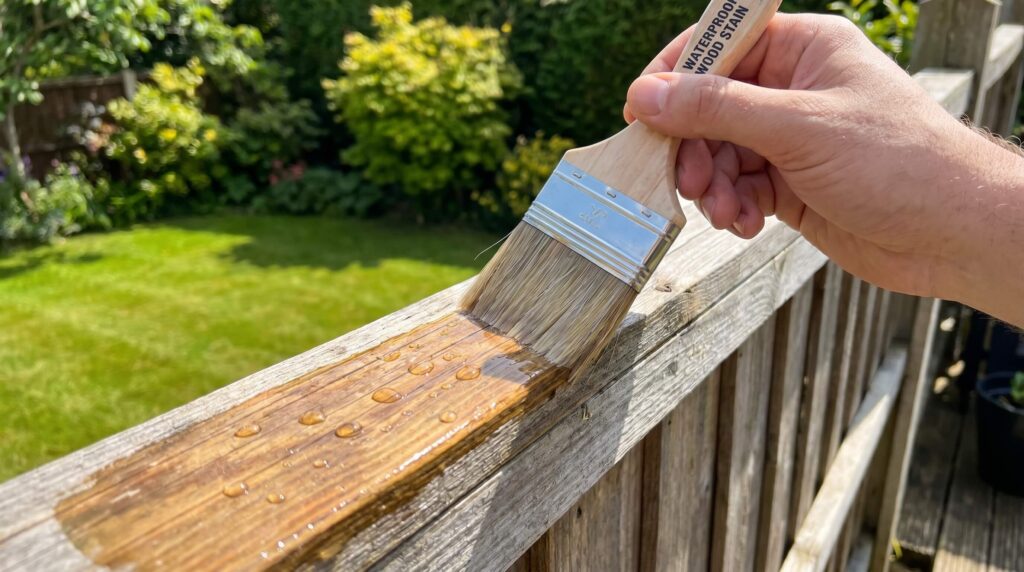

Yes, quality fence paint is designed to create a protective barrier against moisture, rain, humidity, and changing weather conditions. However, waterproof protection depends heavily on proper surface preparation, primer application, wood repair, and the type of exterior paint used. A poorly prepared fence or deck can still absorb water, crack, peel, or rot even after a fresh coat of paint. That is why professional fence and deck painting is never just about color. It is about protection, durability, and preserving the life of your outdoor wood surfaces.
A freshly painted fence or deck instantly changes the appearance of a property. It sharpens curb appeal, protects expensive wood structures, and helps homeowners avoid costly repairs later. Whether you are dealing with faded fence panels, cracked deck boards, termite damage, or peeling paint, the right painting process makes all the difference.
At Final Touch Paint & Décor, every fence and deck project begins with preparation, not shortcuts. Long-lasting exterior painting depends on understanding how wood behaves under heat, rain, moisture, and daily wear.
Why Fence and Deck Painting Matters More Than Most Homeowners Think
Outdoor wood surfaces face constant exposure to sunlight, rainwater, dirt, mold, insects, and fluctuating temperatures. Over time, unprotected wood begins to absorb moisture, expand, contract, split, and decay. Fence paint and deck paint are not simply cosmetic upgrades. They are protective coatings designed to shield wood from environmental damage.
Professional exterior wood painting offers several long-term benefits:
- Prevents water penetration and wood rot
- Protects against UV damage and fading
- Reduces termite and insect damage
- Improves curb appeal and property value
- Extends the lifespan of fences and decks
- Prevents cracking, warping, and peeling
Without proper sealing and painting, even high-quality wood fencing and decking can deteriorate much faster than expected.
The Importance of Surface Preparation Before Painting a Fence or Deck
One of the biggest mistakes homeowners make is painting directly over dirt, loose paint, or damaged wood. Proper preparation is what separates a long-lasting finish from a project that starts peeling within months.
The first step is always cleaning the surface thoroughly. Dust, mildew, loose paint, and debris should be washed away using a garden hose or pressure washer. Pressure washing helps open the wood grain and remove contaminants that prevent paint adhesion.
After cleaning, inspect the wood carefully. Severely rotted boards should be replaced instead of patched. Smaller holes and damaged sections can be repaired using exterior-grade fillers like Fix-All combined with wire mesh for larger areas. Because Fix-All becomes extremely hard and water resistant, smoothing it with a sanding sponge shortly after application helps avoid difficult sanding later.
Cracks around nails and screws should also be sealed carefully. Water intrusion often starts in these tiny openings, eventually causing peeling paint and hidden wood rot.
Wood Repair Techniques That Extend Fence Life
Fence and deck painting is not just about applying paint. Structural repairs often determine how long the finish will survive.
For fence posts rotted near the base, reinforced metal stakes can stabilize the structure effectively. Three-foot galvanized stakes typically provide better support than shorter alternatives because they anchor deeper into the ground. Once installed, painting the metal stake and galvanized nails adds another layer of weather resistance.
Another overlooked technique is applying tar between wood joints. Tar helps repel moisture and discourages termite activity, especially in older wooden fences exposed to wet conditions.
Professional painters understand that exterior wood protection starts underneath the paint layer.
Choosing the Right Exterior Paint for Fences and Decks
Not all exterior paints perform equally. Fence and deck surfaces require coatings specifically formulated for outdoor wood exposure.
The best exterior fence paint usually includes:
- Built-in primer technology
- UV-resistant pigments
- Waterproof protection
- Mold and mildew resistance
- Flexible acrylic formulas that expand and contract with wood
For new wood installations, applying three coats of exterior paint with integrated primer creates a stronger moisture barrier. Priming first also improves paint adhesion and helps the finish last significantly longer.
Painting every side of the wood matters too. Many homeowners paint only visible surfaces, leaving the back or bottom untreated. When moisture reaches unpainted wood, boards absorb water unevenly and begin to warp. Proper fence and deck painting means coating the entire board for balanced protection.
Brush, Roller, or Sprayer for Fence Painting
The best application method depends on the type and condition of the wood surface.
Brush and Roller Application
Brushes and rollers work best for porous wood because they push paint deeper into the grain. This creates stronger penetration and better long-term durability. Brushing is slower, but it often produces a thicker and more protective finish.
This method is ideal for:
- Rough wood fences
- Older wooden decks
- Porous cedar fencing
- Detailed repair areas
Paint Sprayer Application
Sprayers are excellent for speed and even coverage, especially on previously painted fences. They create a smooth finish and reduce labor time significantly. However, spraying can use more paint and may require back-brushing for proper penetration.
Spraying works well for:
- Large fence installations
- Smooth wood surfaces
- Previously painted fences
- Fast exterior painting projects
Experienced painters often combine spraying with back-rolling or brushing to maximize both efficiency and durability.
Why Primer Is Essential for Exterior Wood Painting
Skipping primer is one of the fastest ways to shorten the life of a paint job. Exterior wood primer creates a stable bonding surface while helping seal porous wood fibers.
A quality exterior primer can:
- Improve paint adhesion
- Block moisture absorption
- Reduce peeling and blistering
- Protect against mildew and insects
- Increase paint longevity
Many outdoor primers also contain additives designed to discourage termites and wood-damaging pests. For older fences and decks, primer becomes even more critical because aged wood absorbs moisture more aggressively.
Common Fence and Deck Painting Mistakes
Even premium paint cannot compensate for poor workmanship. Several common mistakes dramatically reduce paint durability.
Painting Over Wet or Dirty Wood
Moisture trapped under paint eventually causes bubbling, cracking, and peeling.
Ignoring Rotten Boards
Paint cannot stop active wood decay. Damaged wood must be repaired or replaced first.
Using Interior Paint Outdoors
Interior paint lacks the flexibility and waterproofing needed for exterior conditions.
Applying Thin Coats
Thin coats wear down quickly under sunlight and rain exposure.
Painting Only One Side
Unbalanced moisture absorption often causes fence boards to warp.
Professional preparation and application prevent these costly issues from appearing later.
How Weather Affects Fence and Deck Paint
Temperature and humidity directly influence paint performance. Painting during extremely hot, cold, or humid weather can compromise adhesion and curing.
Ideal painting conditions usually include:
- Mild temperatures
- Low humidity
- Dry wood surfaces
- Minimal wind
- No rain forecast within 24 to 48 hours
Professional painters monitor weather carefully because environmental conditions affect how paint bonds and cures on exterior wood.
Fence and Deck Color Trends That Improve Curb Appeal
Modern exterior painting trends are shifting toward earthy, natural tones that complement landscaping and architecture.
Popular fence and deck paint colors include:
- Warm cedar brown
- Charcoal gray
- Matte black
- Natural wood stain finishes
- Soft white
- Deep espresso tones
The right color not only improves appearance but also influences heat absorption and maintenance visibility.
Long-Term Maintenance Tips for Painted Fences and Decks
Even the best paint job requires maintenance to maximize lifespan.
Homeowners should:
- Wash fences and decks annually
- Remove mildew and algae buildup quickly
- Inspect for peeling paint regularly
- Repaint damaged areas before moisture spreads
- Trim nearby vegetation to reduce moisture retention
Routine maintenance prevents small issues from becoming major structural repairs.
Final Touch Paint & Décor believes exterior painting should protect a home as much as it enhances it. A properly painted fence or deck becomes a long-term investment rather than a temporary cosmetic fix.
Conclusion
Fence and deck painting is one of the most effective ways to protect outdoor wood surfaces from moisture, UV damage, termites, and daily wear. But lasting results come from much more than simply applying paint. Cleaning, repairing, priming, sealing, and using the correct painting techniques all play a critical role in extending the life of fences and decks.
Whether you choose a brush, roller, or sprayer, the goal remains the same: create a durable waterproof barrier that keeps wood strong and visually appealing for years. With proper preparation and high-quality exterior paint, homeowners can dramatically improve curb appeal while protecting their investment against harsh weather conditions.
A well-painted fence or deck does not just look finished. It feels protected, maintained, and built to last.
FAQs
Is fence paint completely waterproof?
Fence paint is water resistant and designed to repel moisture, but its effectiveness depends on proper surface preparation, primer use, and paint quality. Cracks, poor adhesion, or unsealed wood can still allow water penetration.
How often should a fence or deck be repainted?
Most fences and decks should be repainted every 3 to 5 years depending on weather exposure, paint quality, and maintenance routines.
Should I pressure wash before painting a fence?
Yes. Pressure washing removes dirt, mildew, loose paint, and debris that prevent proper paint adhesion. Always allow the wood to dry completely before painting.
Is it better to spray or brush a fence?
Spraying is faster and creates even coverage, while brushing allows deeper paint penetration into porous wood. Many professionals combine both methods for the best results.
Can I paint over cracked or peeling paint?
Loose or peeling paint should always be scraped and sanded before repainting. Painting directly over damaged paint usually leads to early failure.
Why does my painted fence keep peeling?
Peeling paint is commonly caused by trapped moisture, inadequate surface preparation, poor primer use, or painting wet wood.
What type of paint is best for decks and fences?
High-quality exterior acrylic paint with waterproof and UV-resistant properties is typically the best choice for wood fences and decks.