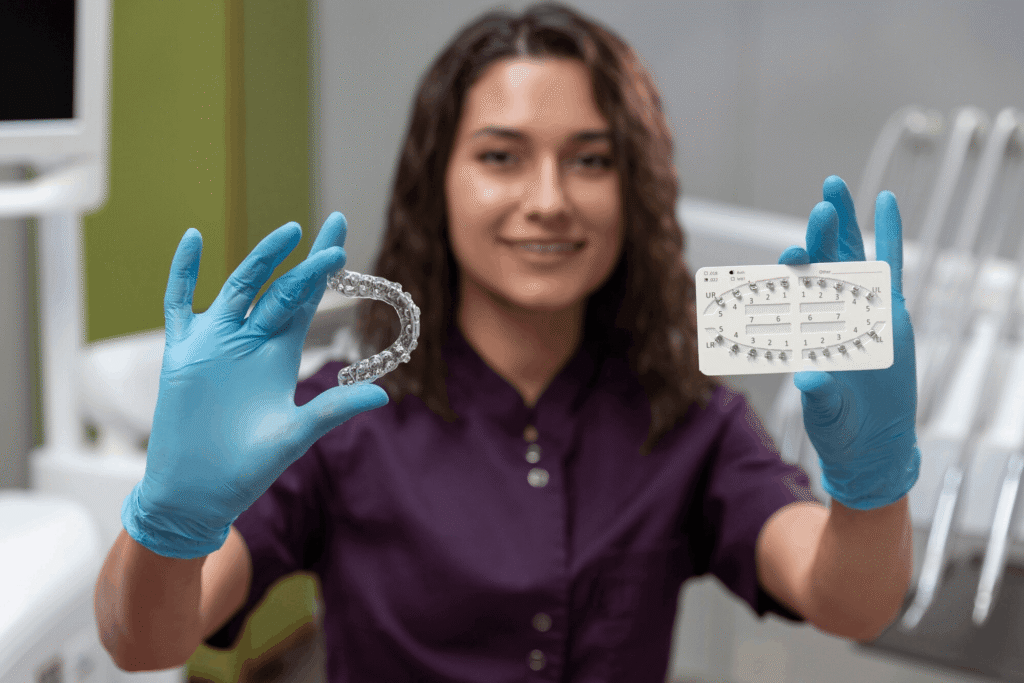

Clear aligners have completely changed the way adults and teenagers approach orthodontic treatment. Instead of relying on traditional metal brackets and wires, many people now choose these nearly invisible trays to straighten their teeth. They offer a discreet, comfortable, and highly effective way to achieve a healthier smile.
However, successfully transforming your teeth takes more than just popping a plastic tray into your mouth. It requires a daily commitment to your oral hygiene and a few minor adjustments to your standard routine. Knowing exactly what to expect helps you avoid sudden surprises and keeps your treatment plan on track.
If you are considering this popular orthodontic option, having all the facts will help you make a confident decision. We will walk through the essential commitments, expected costs, and daily habits you must understand before embarking on your clear aligner journey.
Understanding Clear Aligners
Clear aligners are custom-made, removable trays designed to gently shift your teeth into proper alignment over time. Your orthodontist uses digital 3D scans of your mouth to map out the exact movements of your teeth. Based on this precise digital model, a series of custom trays is created specifically for you.
The benefits of clear aligners extend far beyond their aesthetic appeal. Because they are removable, you can maintain your usual brushing and flossing routine with ease. The smooth plastic material also tends to cause less irritation to your cheeks and gums compared to the sharp edges of traditional metal braces.
Key Considerations Before Starting
Before you commit to treatment, you need to understand the daily realities of wearing clear aligners. Here are the ten most important factors to keep in mind.
1. Consultation is Key
A successful smile transformation begins with a thorough orthodontic evaluation. During your initial consultation, your orthodontist will examine your teeth, take digital scans, and discuss your specific goals. This is the perfect time to establish realistic expectations and determine if your specific bite issues can be effectively treated with clear aligners.
2. Commitment to Wear Time
Consistency is the most critical factor in your treatment. You must wear your clear aligners for 20 to 22 hours every single day. You should only remove them to eat, drink anything other than plain water, brush, and floss. Leaving your trays out for extended periods will stall your progress. This can cause your teeth to shift back, meaning your next set of trays may not fit correctly, which ultimately extends your overall treatment time.
3. Oral Hygiene Demands
Because the plastic trays cover your teeth completely, they can trap food particles and bacteria against your enamel. To prevent cavities and maintain fresh breath, you must brush and floss your teeth after every meal before putting your aligners back in.
You also need to keep the trays themselves clean. Rinse them whenever you take them out, and clean them daily using clear, antibacterial hand soap or a specialised aligner cleaning solution. Never use hot water, as it can warp the plastic.
4. Dietary Adjustments
One of the biggest advantages of clear aligners is that you do not have to give up your favourite foods. Since you remove the trays to eat, you can still enjoy apples, crusty bread, and sticky sweets.
However, your drinking habits will need to change. You cannot consume hot drinks like tea or coffee while wearing your aligners, as the heat can melt and distort the plastic. Coloured drinks like red wine, fizzy drinks, and fruit juices will easily stain the clear material, making your nearly invisible aligners look yellow and noticeable.
5. Potential Discomfort and Adjustments
When you first start wearing a new set of aligner trays, it is completely normal to feel some tightness or mild discomfort. This pressure is a positive sign; it means the aligners are actively working to move your teeth. This initial soreness usually fades within a few days.
You might also notice a slight lisp or a change in your speech when you first begin treatment. Your tongue simply needs time to adjust to the extra space taken up by the plastic. For most patients, normal speech returns within one to three days.
6. Cost and Insurance
Understanding the financial investment is a crucial step. The cost of clear aligner treatment generally ranges between $3,000 and $7,000 (or the local equivalent), depending on the complexity of your case and your provider’s location. This makes the price very comparable to traditional metal braces.
Many dental insurance plans provide partial coverage for orthodontic treatments, often covering a portion of the total cost. It is highly recommended to speak directly with your insurance provider and your orthodontist’s billing department to explore available payment plans and coverage options.
7. Treatment Duration
Clear aligner treatment is not a one-size-fits-all solution, and the duration varies significantly from person to person. Mild spacing or crowding issues might be corrected in as little as four to six months. More moderate to complex cases typically take between six and eighteen months. Adhering strictly to your 22-hour daily wear schedule is the best way to ensure you finish your treatment on time.
8. Retainers are Forever
Your orthodontic journey does not end the day you complete your final set of aligners. To prevent your teeth from shifting back to their original positions, you must wear a retainer. In the beginning, you will likely need to wear your retainer full-time, eventually transitioning to only wearing it at night. Whether you opt for a clear plastic retainer or a fixed wire bonded behind your teeth, this post-treatment retention phase is an essential lifelong commitment.
9. Finding the Right Provider
The technology behind clear aligners is impressive, but the skill of the person designing your treatment plan is equally important. Look for an experienced, registered orthodontist who has a proven track record of successfully treating patients with clear aligners. Do not hesitate to ask questions about their experience, request to see before-and-after photos of previous patients, and clarify exactly what is included in your treatment fee.
10. Not for Everyone
While clear aligners are incredibly versatile, they cannot fix every single dental issue. Severe tooth rotations, massive gaps, or highly complex bite problems may require the precise, targeted force that only traditional braces can provide. Your orthodontist will give you an honest assessment of whether clear aligners are the safest and most effective option for your unique smile.
The Treatment Journey at a Glance
If you decide to move forward, your clear aligner journey will typically follow a few structured steps:
- Initial Scans: Your orthodontist takes a painless 3D digital scan of your teeth to map out your treatment plan.
- Receiving Your Aligners: You will receive your custom trays, usually changing to a new set every one to two weeks depending on your doctor’s instructions.
- Attachments: Your orthodontist might place small, tooth-coloured bumps (known as attachments) on specific teeth. These act as tiny handles, helping the aligners grip your teeth and guide complex movements.
- Regular Check-ups: You will visit your orthodontist every few weeks so they can monitor your progress and ensure your teeth are tracking correctly.
Frequently Asked Questions (FAQ)
Can I play sports or musical instruments while wearing clear aligners?
Yes, you can easily continue your daily activities. You can wear your aligners during most sports, though you should swap them for a proper athletic mouthguard during heavy contact sports. For wind instruments, you might experience a brief adjustment period, but most musicians adapt to playing with their aligners very quickly.
What happens if I lose or break an aligner?
If you misplace or crack a tray, contact your orthodontist immediately. Depending on where you are in your current cycle, they may advise you to wear your previous tray to prevent lost progress, or they might suggest moving straight to the next tray in your series.
Will clear aligners hurt?
You should expect mild pressure for the first few days after switching to a new tray. This indicates that your teeth are shifting as planned. However, severe or sharp pain is not normal. If you experience intense discomfort, reach out to your orthodontist right away.
Ready to Transform Your Smile?
Choosing to straighten your teeth with Hello Dental clear aligners is an exciting investment in your health and confidence. By understanding the daily wear requirements, the strict oral hygiene routine, and the financial commitments, you set yourself up for a highly successful outcome.
Clear aligners offer a brilliant, minimally invasive path to a straight smile, provided you are willing to put in the daily effort. If you feel ready to take the next step, contact a local orthodontist today to book your initial consultation and discover what is possible for your smile.