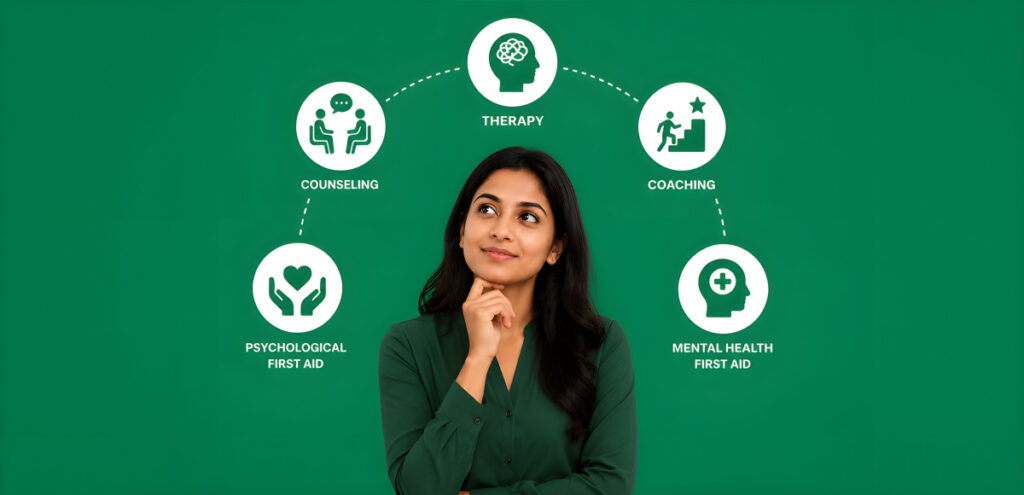

Mental health is a cornerstone of student success, influencing focus, resilience, and overall well-being. Mental health first aid and mental health training equip students with tools to manage stress, foster empathy, and thrive in demanding academic environments. This Q&A-style guide answers key questions about how these programs support students, grounded in real insights and practical strategies.
What Is Mental Health First Aid for Students?
Mental health first aid (MHFA) trains students and faculty to recognize signs of mental health challenges, like stress or anxiety, and offer immediate support or guide individuals to professional help. Think of it as a first-response system for mental well-being. A 2023 Journal of Student Wellness found that 65% of Indian college students face significant stress, with 45% reporting anxiety symptoms. MHFA helps address these issues early, creating a supportive campus culture.
How Does Mental Health Training Benefit Students?
Mental health training teaches practical skills like mindfulness, time management, and emotional regulation. These tools help students tackle exam pressure, deadlines, and social challenges. A 2022 Indian Journal of Psychiatry study showed that mindfulness-based training reduced student anxiety by 18%. Training also empowers students to support peers, fostering a sense of community and reducing isolation.
Why Does Mental Health Education Matter for Academic Success?
Mental health directly impacts academic performance. Stress and anxiety can lead to poor focus, lower grades, or even dropout. Mental health first aid and training improve concentration, resilience, and help-seeking behavior. A 2023 Campus Health survey found that students in MHFA programs were 30% more likely to use counseling services, leading to better academic outcomes and personal growth.
What Makes a Mental Health Program Effective?
Strong programs include:
-
Awareness: Educating students about mental health conditions like depression, including symptoms and support options.
-
Coping Skills: Teaching techniques like breathing exercises and stress management.
-
Empathy Building: Developing active listening to strengthen peer connections.
-
Help-Seeking: Encouraging use of counseling or hotlines to reduce stigma.
What Challenges Exist in Mental Health Education?
Cultural Stigma: Many students avoid discussing mental health due to fear of judgment.
Solution: Peer-led MHFA sessions and anonymous feedback tools create safe spaces, cutting stigma by 20% (Indian Education Review, 2023).
Resource Shortages: Limited budgets can hinder program development.
Solution: Leverage free digital tools or NGO partnerships, as recommended by the World Health Organization.
Time Limitations: Busy academic schedules restrict dedicated mental health time.
Solution: Blend short training modules into existing classes, as successfully piloted in Indian universities (Education Today, 2023).
How Do Digital Tools Enhance Mental Health Training?
Apps like Headspace and online counseling platforms provide 24/7 access to stress management resources. Mental health training teaches students to use these tools effectively, ensuring support is always available. A 2023 Journal of Youth Mental Health noted that digital tools boosted student engagement with mental health resources by 22%.
How Do Peers and Parents Contribute?
Peers: Peer-led mental health first aid builds trust and community. A 2023 Indian Journal of Psychiatry study found peer support increased help-seeking by 28%.
Parents: Workshops for parents reinforce mental health strategies at home, creating a consistent support system for students.
What Are the Long-Term Benefits?
Mental health first aid and training equip students with lifelong skills. They learn to manage stress, build healthy relationships, and seek help when needed. These programs also foster empathy, reducing isolation and strengthening campus bonds, which benefits students well beyond their academic years.
What’s the Future of Student Mental Health Education?
Looking ahead, mental health education should:
-
Become a core part of academic curricula.
-
Partner with mental health organizations for expert-led training.
-
Expand digital platforms for accessible support.
-
Strengthen peer and community networks to sustain awareness.
Final Thoughts
Mental health first aid and training empower students to navigate challenges with confidence, fostering resilience and academic success. By building skills, reducing stigma, and creating supportive communities, these programs help students thrive. Investing in mental health education isn’t just about better grades—it’s about preparing students for a lifetime of emotional strength and well-being.