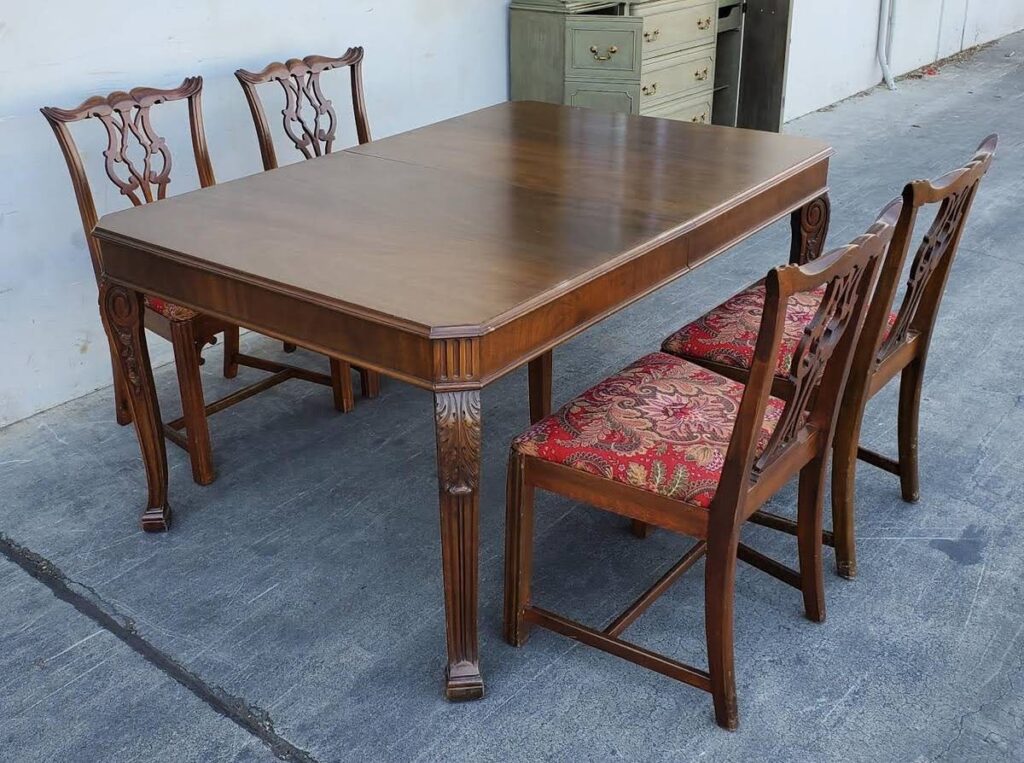

A well-worn dining set often carries more than just scratches and stains. A vintage dining table and chairs can hold years of family meals, conversations, and memories that newer furniture simply doesn’t have. In today’s fast furniture culture, these older pieces are often overlooked or thrown away too quickly.
In the United States alone, over 12 million tons of furniture are discarded every year according to the EPA, much of which could be restored instead of replaced. This creates both environmental waste and unnecessary spending for households. I’ve personally seen homeowners transform neglected dining sets into centerpiece furniture that completely changes the feel of a room. What looked like junk at first became a valuable part of their home again.
Restoration is not just about saving money. It’s about preserving character while improving function. A worn surface doesn’t mean the piece has lost its value—it often means it just needs attention. This guide walks you through a practical, step-by-step approach to restoring a vintage dining table and chairs in a way that is realistic, affordable, and effective.
The Problem: Why Most Old Furniture Gets Thrown Away
Many people assume that damaged or faded furniture is beyond repair. Scratches, discoloration, and loose joints often lead homeowners to replace rather than restore. This mindset has fueled a growing cycle of waste and overconsumption. The U.S. furniture market is valued at over $160 billion, but a large portion of purchases replace items that could have been restored.
This reflects a lack of awareness around repair options and basic refinishing skills. Another issue is the fear of doing it wrong. People worry that sanding or refinishing might permanently damage the piece. As a result, even solid wood furniture ends up in landfills instead of workshops.
This is especially true for dining furniture, where people often want a matching, polished look. They assume only new sets can achieve that clean appearance, even when older pieces have better structure. A neglected vintage dining table and chairs often end up being discarded simply because their potential is not understood.
The Agitation: The Real Cost of Replacing Instead of Restoring
Replacing furniture repeatedly is more expensive than most people realize. A mid-range dining set in the U.S. can cost anywhere from $800 to $3,000 depending on material and design. Over time, this adds up significantly.
I once worked with a family in Texas who replaced their dining set three times in ten years. Each time, the issue was minor damage or surface wear. In hindsight, all three sets could have been restored for a fraction of the cost. There is also emotional value lost. A vintage dining table and chairs often carries sentimental history that cannot be replaced with new furniture from a store.
From a business perspective, restaurants and cafés that invest in restoration instead of replacement often save 40–60% on furniture costs annually, according to small hospitality case studies in the U.S. Even in interior design, restored pieces are becoming more popular in vintage home decor trends, where authenticity is valued more than perfection.
The Solution: Understanding the Restoration Process
Restoring furniture is not complicated when broken into steps. Most projects involve cleaning, repairing, sanding, refinishing, and sealing. Each stage serves a specific purpose and builds toward the final result. A vintage dining table and chairs is usually made of solid wood, which makes it ideal for restoration.
Unlike modern particleboard furniture, solid wood can withstand multiple refinishing cycles without losing integrity. Before starting, it’s important to assess the condition of the piece. Look for loose joints, deep scratches, water stains, or old paint layers. This determines how much work is required. In many cases, the structure is still strong even if the surface looks worn. That’s where restoration becomes practical and cost-effective.
This process is widely used in both residential and commercial furniture repair businesses across the U.S., especially in cities like Chicago and Los Angeles where vintage furniture demand is high.
Step-by-Step: Cleaning and Preparing the Furniture
The first step in restoring a vintage dining table and chairs is deep cleaning. Dirt, grease, and old polish must be removed before any repair work begins. A simple mixture of mild soap and warm water is often enough. Once cleaned, the furniture should be fully dried to avoid moisture damage.
This step is often rushed, but skipping proper drying can lead to uneven refinishing later. Next, inspect the joints and structure. Tighten loose screws and glue any unstable parts. Many older chairs weaken at the joints due to years of use, but they are usually easy to fix.
At this stage, professionals in the restoration industry often document the condition before moving forward. This helps track improvements and ensures consistency in results. Proper preparation is essential for achieving a smooth finish that aligns with modern vintage home decor standards.
Step-by-Step: Sanding, Repairing, and Refinishing
Sanding is one of the most important parts of the process. It removes the old finish and prepares the surface for new stain or paint. Start with medium-grit sandpaper and gradually move to finer grit for smoothness. Deep scratches or dents can be filled using wood filler. This helps restore a uniform surface before applying any finish.
It’s a simple step that makes a noticeable difference in the final look. Once sanding is complete, choose a stain or finish that matches your desired style. Many homeowners prefer natural wood tones to maintain the original character of the vintage dining table and chairs.
In the U.S. furniture refinishing industry, water-based finishes are increasingly popular due to lower toxicity and faster drying times. According to industry reports, demand for eco-friendly finishes has grown by over 20% in recent years. This stage transforms the furniture visually and is often where the biggest improvement becomes visible.
Real-World Examples from U.S. Restoration Projects
In Brooklyn, a small furniture restoration shop reported that over 70% of their clients bring in dining sets inherited from family members. Most of these pieces are restored and reused rather than replaced.
A similar trend is seen in California, where vintage home decor stores often partner with local craftsmen to restore mid-century and traditional dining sets. These pieces are then resold at higher value. One case study involved a 1960s oak dining set purchased for $120 at a thrift store in Ohio. After full restoration, it was sold for over $1,200 in a local antique market.
Restaurants in cities like Austin and Seattle also invest heavily in restored furniture to create a unique atmosphere. A restored vintage dining table and chairs setup often becomes part of their brand identity. These examples show how restoration is not just practical but also financially beneficial.
Finishing Touches and Long-Term Care
After refinishing, sealing the wood is essential to protect it from moisture and daily wear. A clear polyurethane or wax finish is commonly used depending on the desired look. Reassembly should be done carefully to avoid damaging newly restored surfaces. Chairs should be checked again for stability before use. Maintenance is also important. Regular dusting and occasional polishing help extend the life of the restored furniture.
In modern vintage home decor, restored pieces are often combined with newer items to create contrast and balance. This approach keeps interiors looking fresh without losing character. A well-maintained vintage dining table and chairs can last decades after restoration if properly cared for.
Conclusion
Restoring furniture is more than a DIY project. It is a practical way to save money, reduce waste, and preserve meaningful items. A vintage dining table and chairs is often stronger and more valuable than it first appears.
With the right steps—cleaning, repairing, sanding, and refinishing—you can completely transform old furniture into something that fits modern living spaces. The process is straightforward when approached methodically.
Across the U.S., more homeowners and businesses are choosing restoration over replacement, especially as sustainability becomes a priority. This shift is also influencing the rise of vintage home decor trends in interior design. By investing time in restoration, you are not just fixing furniture—you are extending its story. That makes every restored piece more meaningful and useful in everyday life.