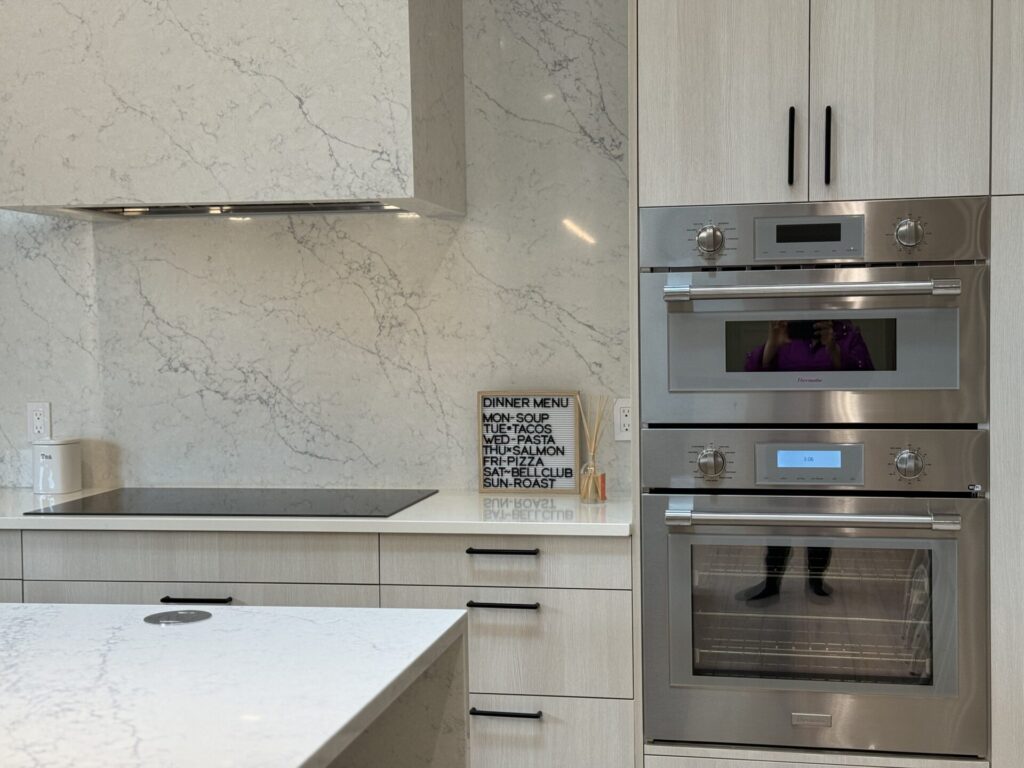
IKEA Kitchen Planning: How to Create a Functional and Stylish Kitchen
Article Content:
IKEA kitchen planning is one of the most important steps when designing a kitchen that is both beautiful and practical. A well-planned kitchen can improve storage, increase efficiency, and make everyday tasks easier. Whether you are updating an older kitchen or starting a full remodel, proper planning helps you avoid mistakes and get better results.
One reason many homeowners choose IKEA kitchen planning is flexibility. IKEA kitchens offer a wide range of cabinet systems, storage options, and layout choices that can be customized to fit different spaces. Whether you have a small apartment kitchen or a larger open-concept space, planning helps ensure every part of the kitchen works well together.
The first step in kitchen planning is measuring the space. Accurate measurements are essential for choosing cabinets, appliances, and layout configurations. Even small errors can cause problems during installation, which is why many homeowners take time to carefully measure walls, windows, doorways, plumbing locations, and electrical points before moving forward.
Once measurements are complete, the next step is selecting the right kitchen layout. Popular layouts include L-shaped kitchens, U-shaped kitchens, galley kitchens, and island kitchens. Each layout offers different benefits depending on available space and how the kitchen will be used. Good layout planning helps improve workflow, often called the kitchen work triangle, which focuses on the relationship between the sink, stove, and refrigerator.
Storage planning is another major part of IKEA kitchen planning. One of IKEA’s biggest strengths is its smart storage solutions. Homeowners can choose pull-out drawers, pantry organizers, corner cabinets, deep storage drawers, and built-in accessories that help maximize space. These features can make even small kitchens feel more organized and functional.
Cabinet selection is also an important decision during the planning process. IKEA offers different cabinet styles, finishes, and door designs to match various design preferences. Some homeowners prefer a clean minimalist look, while others choose warmer, more traditional styles. The right cabinet choices can shape the entire appearance of the kitchen.
Countertops and materials should also be considered early in the planning process. Durable surfaces, practical finishes, and materials that fit your budget all play a role. Homeowners often think about how much cooking they do, how much maintenance they want, and what overall design style they want to achieve.
Another important part of IKEA kitchen planning is thinking about appliances. Appliance sizes, ventilation, and placement should all be coordinated with cabinet layouts. Planning these details early helps avoid design conflicts later.
Lighting is often overlooked, but it can make a major difference in both function and style. Many kitchen plans include task lighting, under-cabinet lighting, and decorative lighting to improve visibility and enhance the space.
Many homeowners also choose to work with professionals during the planning stage. Professional designers can help optimize layouts, solve design challenges, and ensure the kitchen is ready for installation. Expert planning can help reduce stress and improve the final outcome.
Budget planning is another essential part of the process. A clear budget helps guide decisions about cabinets, countertops, installation, and upgrades. Planning costs early can help prevent surprises later.
In the end, IKEA kitchen planning is about creating a kitchen that supports your daily life. It is not just about choosing cabinets or finishes. It is about designing a space that works well, looks great, and meets your needs for years to come.
With smart planning, careful measurements, thoughtful design choices, and the right support, you can create a functional and stylish IKEA kitchen that adds value, comfort, and efficiency to your home.
n or a larger open-concept space, planning helps ensure every part of the kitchen works well together.
The first step in kitchen planning is measuring the space. Accurate measurements are essential for choosing cabinets, appliances, and layout configurations. Even small errors can cause problems during installation, which is why many homeowners take time to carefully measure walls, windows, doorways, plumbing locations, and electrical points before moving forward.
Once measurements are complete, the next step is selecting the right kitchen layout. Popular layouts include L-shaped kitchens, U-shaped kitchens, galley kitchens, and island kitchens. Each layout offers different benefits depending on available space and how the kitchen will be used. Good layout planning helps improve workflow, often called the kitchen work triangle, which focuses on the relationship between the sink, stove, and refrigerator.
Storage planning is another major part of IKEA kitchen planning. One of IKEA’s biggest strengths is its smart storage solutions. Homeowners can choose pull-out drawers, pantry organizers, corner cabinets, deep storage drawers, and built-in accessories that help maximize space. These features can make even small kitchens feel more organized and functional.
Cabinet selection is also an important decision during the planning process. IKEA offers different cabinet styles, finishes, and door designs to match various design preferences. Some homeowners prefer a clean minimalist look, while others choose warmer, more traditional styles. The right cabinet choices can shape the entire appearance of the kitchen.
Countertops and materials should also be considered early in the planning process. Durable surfaces, practical finishes, and materials that fit your budget all play a role. Homeowners often think about how much cooking they do, how much maintenance they want, and what overall design style they want to achieve.
Another important part of IKEA kitchen planning is thinking about appliances. Appliance sizes, ventilation, and placement should all be coordinated with cabinet layouts. Planning these details early helps avoid design conflicts later.
Lighting is often overlooked, but it can make a major difference in both function and style. Many kitchen plans include task lighting, under-cabinet lighting, and decorative lighting to improve visibility and enhance the space.
Many homeowners also choose to work with professionals during the planning stage. Professional designers can help optimize layouts, solve design challenges, and ensure the kitchen is ready for installation. Expert planning can help reduce stress and improve the final outcome.
Budget planning is another essential part of the process. A clear budget helps guide decisions about cabinets, countertops, installation, and upgrades. Planning costs early can help prevent surprises later.
In the end, IKEA kitchen planning is about creating a kitchen that supports your daily life. It is not just about choosing cabinets or finishes. It is about designing a space that works well, looks great, and meets your needs for years to come.