
The automobile industry in Pakistan is a key contributor to the country’s economic development and industrial growth. Over the past few decades, the automobile industry in Pakistan has experienced significant transformation due to increasing consumer demand, technological innovation, and supportive government policies. Today, vehicles are not just a luxury but a necessity for daily life, business, and transportation. From small budget cars to advanced hybrid and electric vehicles, the industry is evolving rapidly. This article provides a detailed overview of the automobile industry in Pakistan, including its structure, major companies, latest trends, challenges, and future outlook.
What is the Automobile Industry in Pakistan?
The automobile industry in Pakistan refers to the sector that deals with the manufacturing, assembling, marketing, and selling of vehicles within the country. This includes cars, motorcycles, buses, trucks, and other transport vehicles. The industry plays an important role in economic development by creating job opportunities and supporting related sectors such as steel, rubber, and engineering.
Pakistan’s automobile sector mainly follows an assembly-based model, where most vehicle parts are imported and assembled locally. However, there has been a growing focus on localization, which means producing parts within the country to reduce dependency on imports. This shift is expected to strengthen the automobile industry in Pakistan by lowering costs and improving efficiency. Additionally, government initiatives are encouraging investment in local manufacturing to boost industrial growth.
Major Automobile Companies in Pakistan


Several leading companies dominate the automobile industry in Pakistan, offering a variety of vehicles for different income groups and preferences.
Toyota Pakistan
Toyota is one of the most trusted automobile brands in Pakistan, known for its durability, reliability, and strong resale value. Popular models such as Corolla and Yaris are widely used across the country. Toyota has maintained a strong presence due to its consistent performance and customer satisfaction.
Honda Pakistan
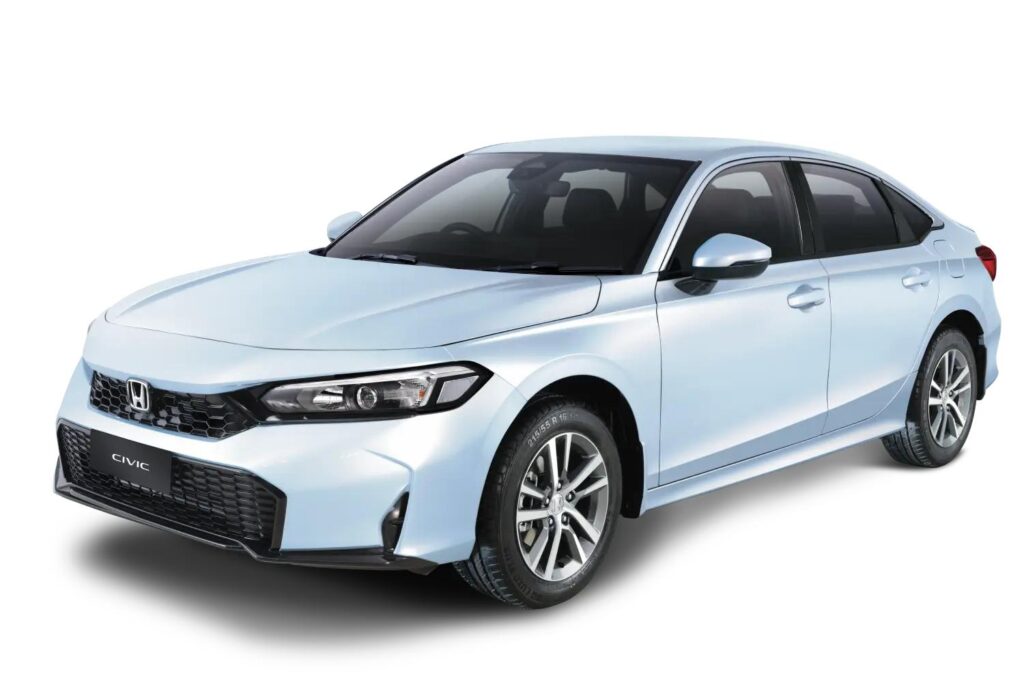
Honda is recognized for producing high-quality and stylish vehicles with advanced features. Cars like Civic and City are popular among consumers who prefer performance and comfort. Honda has built a reputation for innovation and premium design in Pakistan.
Suzuki Pakistan
Suzuki dominates the entry-level car segment in Pakistan. Affordable models like Alto, Cultus, and Wagon R are widely used by middle-class families. Suzuki’s focus on fuel efficiency and low maintenance makes it a preferred choice for many buyers.
Kia Pakistan
Kia has emerged as a strong competitor in recent years by introducing modern and feature-rich vehicles. Models like Sportage and Picanto have gained popularity, especially among younger consumers looking for stylish and technologically advanced cars.
Latest Trends in Automobile Sector
The automobile industry in Pakistan is rapidly changing due to new technologies and shifting consumer preferences. One of the most significant trends is the growing interest in electric vehicles (EVs). As fuel prices continue to rise, many consumers are considering EVs as a cost-effective and environmentally friendly alternative. The government is also promoting EV adoption by offering incentives and developing infrastructure.
Another important trend is the increasing demand for hybrid vehicles. These cars offer better fuel efficiency and reduced emissions, making them an attractive option for consumers who want to save on fuel costs while contributing to environmental protection. Hybrid technology is becoming more accessible, and its popularity is expected to grow in the coming years.
Technological advancements are also transforming the automobile sector. Modern vehicles now include features such as touchscreen infotainment systems, navigation, parking sensors, and smart connectivity. These innovations enhance safety, comfort, and convenience for drivers and passengers.
Additionally, the rise of ride-hailing services has influenced the automobile market in Pakistan. Many individuals are purchasing vehicles specifically for ride-hailing purposes, increasing demand for affordable and fuel-efficient cars. This trend has created new income opportunities and expanded the role of automobiles in everyday life.
Challenges Facing Automobile Industry
Despite its growth and potential, the automobile industry in Pakistan faces several challenges that hinder its development. One of the major issues is the high cost of vehicles. Due to inflation, increased taxes, and rising production costs, car prices have become unaffordable for many consumers. This has reduced overall demand and slowed market growth.
Another significant challenge is the heavy reliance on imported parts. Since most components are sourced from abroad, fluctuations in currency exchange rates directly impact production costs. This dependency makes the industry vulnerable to global economic changes and supply chain disruptions.
Economic instability is also a key concern. Inflation and low purchasing power make it difficult for consumers to invest in vehicles. As a result, car sales often decline during periods of economic uncertainty. Manufacturers and dealers must adjust their strategies to cope with these conditions.
Government policies and regulations can also create challenges. Frequent changes in tax structures and import policies can create uncertainty for investors and manufacturers. A stable and consistent policy framework is essential for long-term growth and investment in the automobile sector.
Future of Automobiles in Pakistan
The future of the automobile industry in Pakistan appears promising despite current challenges. With increasing awareness about environmental issues and rising fuel costs, there is a strong shift towards electric and hybrid vehicles. Government initiatives aimed at promoting clean energy and reducing emissions are expected to accelerate this transition.
Local manufacturing is likely to increase as the government encourages companies to produce vehicle parts within the country. This will reduce dependency on imports, lower costs, and create more job opportunities. As a result, the automobile industry in Pakistan will become more competitive and sustainable.
Technological innovation will also play a major role in shaping the future. Features such as autonomous driving, smart connectivity, and advanced safety systems are expected to become more common. These advancements will improve the overall driving experience and attract more consumers.
Furthermore, increasing competition among local and international brands will benefit consumers by providing better quality vehicles at competitive prices. As infrastructure improves and the economy stabilizes, the demand for automobiles is expected to rise steadily.
Conclusion
In conclusion, the automobile industry in Pakistan is a dynamic and evolving sector that plays a crucial role in the country’s economic growth. While it faces challenges such as high vehicle prices, import dependency, and economic instability, ongoing developments and government support are paving the way for a brighter future. The shift towards electric and hybrid vehicles, along with increased localization and technological innovation, is expected to drive long-term growth. For consumers, investors, and industry stakeholders, staying informed about the latest trends and developments in the automobile industry in Pakistan is essential for making informed decisions.
Read More: Mastering the Prompt