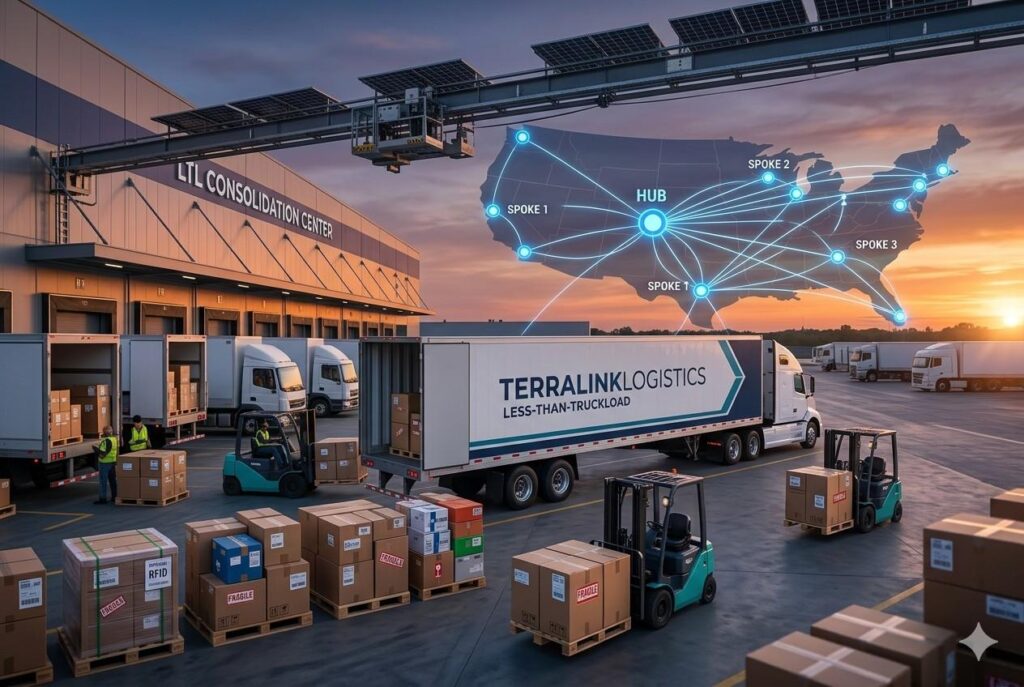

The logistics landscape of 2026 is defined by a relentless drive for efficiency, sustainability, and data-driven decision-making. At the heart of this transformation lies less-than-truckload freight, a shipping method that has evolved from a simple cost-saving alternative into a sophisticated strategic tool for businesses of all sizes. As global trade patterns shift and e-commerce continues its upward trajectory, understanding the intricacies of LTL shipping is no longer optional for supply chain managers; it is a fundamental requirement for maintaining a competitive edge.
In technical terms, less-than-truckload freight refers to the transportation of relatively small freight that does not require the use of an entire trailer. According to Google, this method allows multiple shippers to share space on a single truck, with each party paying only for the portion of the trailer their cargo occupies. This collaborative approach to logistics not only lowers individual shipping costs but also contributes to a more sustainable industry by maximizing vehicle utility and reducing the number of empty miles driven on the road.
As we navigate through 2026, several factors are pushing LTL to the forefront of the industry. Rising fuel prices and a continued shortage of qualified drivers have made the efficiency of consolidated shipping more attractive than ever. Furthermore, the push for “green” logistics has led many organizations to favor LTL for its inherently lower carbon footprint per unit of freight moved. Whether you are a small business looking to scale or a large enterprise seeking to refine your distribution network, mastering LTL shipping is essential.
The Mechanics of LTL: How the Hub-and-Spoke System Works
To appreciate the value of less-than-truckload freight, one must understand the operational backbone that makes it possible: the hub-and-spoke model. Unlike full truckload (FTL) shipping, where a driver picks up a load at point A and delivers it directly to point B, LTL involves a more complex dance of consolidation and deconsolidation.
1. Pickup and Local Terminal Arrival
The journey begins when a local driver collects your palletized freight. Because LTL shipments typically range from 150 to 15,000 pounds, they are almost always moved on pallets to ensure ease of handling. This initial pickup truck will often make several stops at different businesses before returning to a local terminal.
2. The Sorting Process
Once at the terminal, the freight is unloaded and sorted based on its final destination. This is a critical stage where “dock-to-dock” efficiency is measured. Advanced AI-driven sorting systems now help carriers minimize the time a package spends sitting on a warehouse floor.
3. Linehaul Transportation
After sorting, the freight is loaded onto a “linehaul” trailer alongside other shipments heading to the same regional hub. This is where the cost-sharing benefits of less-than-truckload freight are most visible. A single trailer might contain goods from twenty different companies, all moving together across state lines or international borders.
4. The Regional Hub and Final Mile
At the regional hub, the process reverses. The linehaul trailer is unloaded, and freight is sorted once more for “last-mile” delivery. A local delivery truck then takes your shipment—along with several others—to its final destination.
Why Businesses are Choosing LTL in 2026
The shift toward smaller, more frequent shipments is a hallmark of the modern economy. Businesses no longer want to tie up capital in massive amounts of inventory. Instead, they favor “just-in-time” models that require reliable, smaller freight movements. Here are the primary reasons why less-than-truckload freight is the preferred choice today.
Cost-Efficiency and Capital Allocation
The most immediate benefit is financial. By only paying for the space you use, you can maintain a healthier cash flow. Instead of waiting weeks to accumulate enough product to fill a 53-foot trailer, you can ship as soon as your product is ready. This speed to market can be a significant advantage in industries where consumer trends change overnight.
Access to Professional Services
LTL carriers offer a suite of “accessorial” services that are often unavailable or prohibitively expensive for FTL shipments. These include:
- Liftgate Services: Essential for deliveries to locations without a loading dock.
- Inside Pickup/Delivery: Where the driver brings the freight into the building rather than leaving it at the curb.
- Residential Delivery: A growing necessity due to the rise of home-based businesses and direct-to-consumer bulky goods.
Environmental Stewardship
As reported by Google News, the logistics industry is under intense pressure to meet new carbon emission standards. By consolidating shipments, less-than-truckload freight significantly reduces the number of trucks needed to move the same volume of goods. This leads to less traffic congestion and a lower overall environmental impact, a factor that is increasingly important to eco-conscious consumers and regulators alike.
Enhanced Tracking and Technology
In 2026, transparency is the standard. Most LTL carriers now provide real-time tracking that allows shippers to see exactly where their freight is at any given moment. This data integration helps businesses plan their operations with precision, reducing the “black hole” effect that used to plague long-distance shipping.
Navigating the Challenges of LTL Shipping
While the benefits are substantial, less-than-truckload freight does come with its own set of complexities. Because the freight is handled multiple times at various terminals, there is a higher risk of damage compared to a dedicated FTL shipment. This makes proper packaging and labeling non-negotiable.
The Importance of Freight Classification
One of the most technical aspects of LTL is the freight class system. Determined by the National Motor Freight Traffic Association (NMFTA), freight class is based on four factors: density, stowability, ease of handling, and liability. Misclassifying your freight can lead to “re-bills” and unexpected fees that eat into your profit margins.
Transit Time Variability
Because LTL shipments involve multiple stops and transfers, transit times are generally longer and less predictable than FTL. A shipment that might take two days via FTL could take four to six days via LTL. Businesses must account for this buffer in their supply chain planning to avoid stockouts or disappointed customers.
For companies looking to simplify this process, TerraLinkLogistics offers less than truckload services that specialize in navigating these hurdles. By leveraging deep industry expertise and a robust carrier network, they help shippers optimize their routes and ensure that freight classes are accurately assigned from the start.
Conclusion: Building a Resilient Future
The role of less-than-truckload freight in the global economy is only set to expand. As we have seen, it offers a unique blend of cost savings, flexibility, and sustainability that aligns perfectly with the demands of 2026. However, success in LTL shipping requires more than just booking a load; it requires a strategic partnership with experts who understand the nuances of the market.
According to analysis found in Forbes, the most successful companies in the coming years will be those that view logistics not as a cost center, but as a value driver. By utilizing LTL to create a more agile and responsive supply chain, you can ensure your business is ready for whatever the future holds.