
If you operate a commercial kitchen, one of the most important maintenance questions you’ll face is: How often should you schedule kitchen hood exhaust cleaning? The answer isn’t the same for every business. Cleaning frequency depends on cooking volume, the type of food you prepare, and fire code requirements.
However, one thing is certain — regular kitchen hood exhaust cleaning is not optional. It’s critical for fire prevention, code compliance, air quality, and overall kitchen efficiency.
Let’s break down exactly how often you should schedule service and why it matters.
Why Kitchen Hood Exhaust Cleaning Is So Important
Your kitchen hood exhaust system removes heat, smoke, grease-laden vapors, and airborne contaminants from your cooking area. Over time, grease accumulates inside the hood, ductwork, fans, and vents.
This buildup creates three major risks:
-
Fire Hazard – Grease is highly flammable. A small flare-up on the cookline can quickly spread through dirty ductwork.
-
Health Code Violations – Inspectors look for excessive grease buildup and proper maintenance documentation.
-
Poor Ventilation & Odors – Dirty systems reduce airflow and create uncomfortable working conditions.
Regular cleaning reduces these risks and keeps your kitchen operating safely and efficiently.
What Do Fire Codes Require?
The industry standard for commercial kitchens in the United States is National Fire Protection Association (NFPA) 96, which outlines cleaning frequency requirements based on cooking volume and grease production.
According to NFPA 96 guidelines:
High-Volume Cooking Operations
Clean monthly
Examples include:
-
24-hour restaurants
-
Fast food establishments
-
Charbroiling or wok-heavy kitchens
These kitchens produce large amounts of grease quickly and require frequent attention.
Moderate-Volume Cooking Operations
Clean quarterly (every 3 months)
Examples include:
-
Sit-down restaurants
-
Hotel kitchens
-
Cafeterias
Most full-service restaurants fall into this category.
Low-Volume Cooking Operations
Clean semi-annually (every 6 months)
Examples include:
-
Churches
-
Day camps
-
Seasonal businesses
These kitchens operate less frequently and produce less grease.
Very Low-Volume Operations
Clean annually
Examples include:
-
Community centers
-
Small breakroom kitchens
-
Limited-use facilities
However, even low-use systems must still be inspected regularly.
Factors That Affect Your Cleaning Schedule
While NFPA provides a baseline, your actual cleaning frequency may vary depending on several factors:
1. Type of Cooking Equipment
Charbroilers, fryers, and wok ranges produce more grease than ovens or steamers. If your menu relies heavily on fried or grilled foods, you may need more frequent service.
2. Hours of Operation
A kitchen operating 16 hours a day will accumulate grease much faster than one open only for lunch.
3. Menu Changes
Adding fried or high-fat items to your menu can dramatically increase grease production.
4. Inspection Results
If inspectors notice buildup between scheduled cleanings, they may require more frequent service.
5. Insurance Requirements
Some insurance providers require proof of routine kitchen hood exhaust cleaning to maintain coverage.
Warning Signs You’re Overdue for Cleaning
Even if you’re on a schedule, watch for these signs that you may need service sooner:
-
Visible grease dripping from the hood
-
Strong, lingering cooking odors
-
Smoke not clearing properly
-
Excess grease on rooftop exhaust fans
-
Increased kitchen temperature
-
Failed health or fire inspection
If you notice any of these issues, schedule a professional cleaning immediately.
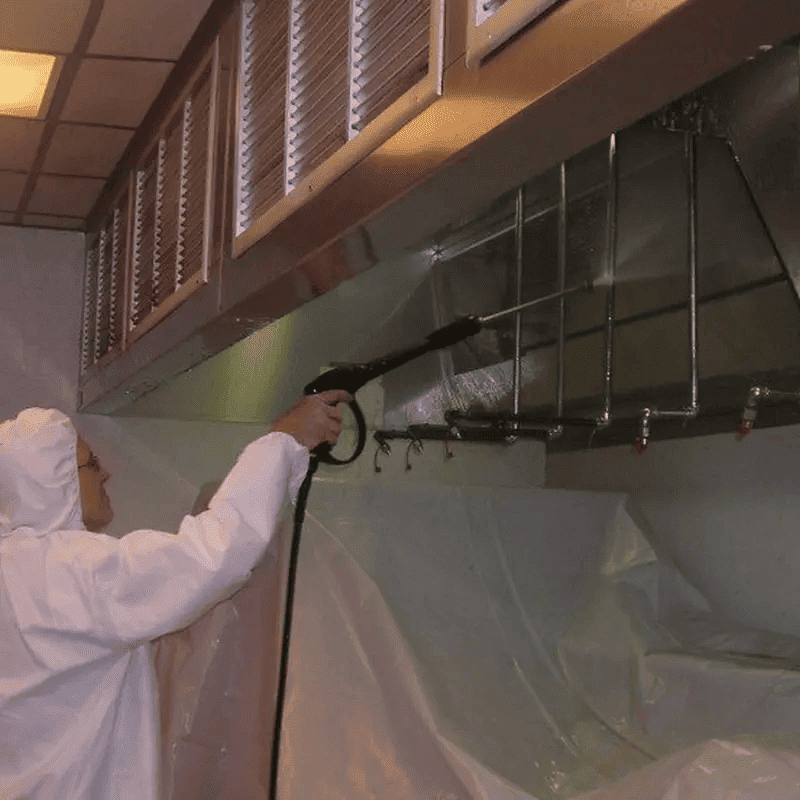
What Happens During Professional Kitchen Hood Exhaust Cleaning?
A certified technician will:
-
Degrease and scrape the hood interior
-
Clean ductwork and access panels
-
Power wash exhaust fans
-
Remove grease buildup from filters
-
Inspect components for damage
-
Provide documentation for inspection compliance
After cleaning, many companies apply a dated service sticker to the hood to verify maintenance history.
Can You Extend the Time Between Cleanings?
Routine filter cleaning and daily wipe-downs can help manage surface grease, but they do not replace full system cleaning. Grease accumulates deep inside ductwork where staff cannot safely access it.
Skipping professional cleaning to save money often leads to:
-
Expensive emergency cleanings
-
Equipment damage
-
Fire risk
-
Temporary closure by authorities
Preventative maintenance is always more cost-effective than emergency repairs.
The Bottom Line
So, how often should you schedule kitchen hood exhaust cleaning?
-
Monthly for high-volume kitchens
-
Quarterly for most restaurants
-
Semi-annually for low-volume operations
-
Annually for minimal-use facilities
When in doubt, follow NFPA 96 guidelines and consult with a certified hood cleaning professional who can assess your operation.
Regular kitchen hood exhaust cleaning isn’t just about staying compliant — it protects your staff, customers, property, and business reputation. A clean exhaust system means safer cooking, better airflow, and peace of mind.
If you’re unsure whether your kitchen is due for service, now is the perfect time to schedule an inspection and stay ahead of potential risks.