
Behind every exceptional cup of coffee is a skilled coffee roaster who transforms raw green beans into aromatic, flavorful masterpieces. While brewing methods and barista skills are important, roasting is the stage where coffee truly develops its character. From light and fruity to dark and bold, the roasting process determines the aroma, body, acidity, and overall experience of your daily brew.
In this blog, we’ll explore what a coffee roaster does, how the roasting process works, and why choosing the right coffee roaster makes all the difference.
What Is a Coffee Roaster?
A coffee roaster can refer to both a person and a machine. The professional coffee roaster is an expert who carefully controls time, temperature, and airflow to bring out the best qualities in each batch of beans. The coffee roasting machine, on the other hand, is the equipment used to heat green coffee beans until they reach their desired roast level.
Roasting is both a science and an art. It requires precision, experience, and a deep understanding of how beans from different regions respond to heat.
The Coffee Roasting Process
The journey begins with green coffee beans, which are dense, grassy-smelling seeds. These beans are placed inside a coffee roaster machine and heated to temperatures typically ranging between 180°C and 240°C.
Here’s what happens during roasting:
-
Drying Stage – Moisture inside the beans evaporates.
-
Browning Stage – Natural sugars begin to caramelize, creating flavor compounds.
-
First Crack – Beans expand and crack, signaling a light roast stage.
-
Second Crack – A deeper cracking sound indicates darker roast development.
The coffee roaster carefully monitors these stages to achieve the desired flavor profile.
Types of Coffee Roasts
Different roast levels dramatically change the taste of coffee:
Light Roast
-
Higher acidity
-
Fruity and floral notes
-
Retains origin characteristics
Medium Roast
-
Balanced acidity and sweetness
-
Smooth body
-
Popular for everyday drinking
Dark Roast
-
Bold, smoky flavors
-
Lower acidity
-
Stronger bitterness
An experienced coffee roaster understands how to adjust roasting time and temperature to highlight the best attributes of each bean variety.
Why the Coffee Roaster Matters
Not all coffee roasters are equal. A skilled coffee roaster:
-
Selects high-quality green beans
-
Understands regional flavor profiles
-
Maintains consistency across batches
-
Uses precise roasting curves
-
Conducts quality testing and cupping
The roasting process can either elevate or ruin a batch of premium beans. Even the finest coffee grown at high altitudes can lose its complexity if roasted improperly.
Modern Coffee Roasting Technology
Today’s coffee roaster machines are equipped with advanced technology such as:
-
Digital temperature controls
-
Automated airflow systems
-
Data logging software
-
Drum or fluid bed roasting options
These innovations allow coffee roasters to maintain accuracy and replicate successful roast profiles with consistency.
However, technology alone doesn’t guarantee quality. The human touch—experience, sensory skills, and craftsmanship—remains essential.
The Rise of Specialty Coffee Roasters
Specialty coffee has transformed the industry by focusing on transparency, sustainability, and quality. A specialty coffee roaster works closely with farmers, often sourcing beans directly from single-origin farms.
This approach ensures:
-
Ethical sourcing
-
Fair trade practices
-
Traceability
-
Unique and complex flavor profiles
Consumers today are more interested in where their coffee comes from, and a reputable coffee roaster provides that information with pride.
How to Choose a Good Coffee Roaster
When selecting coffee from a roaster, consider the following:
-
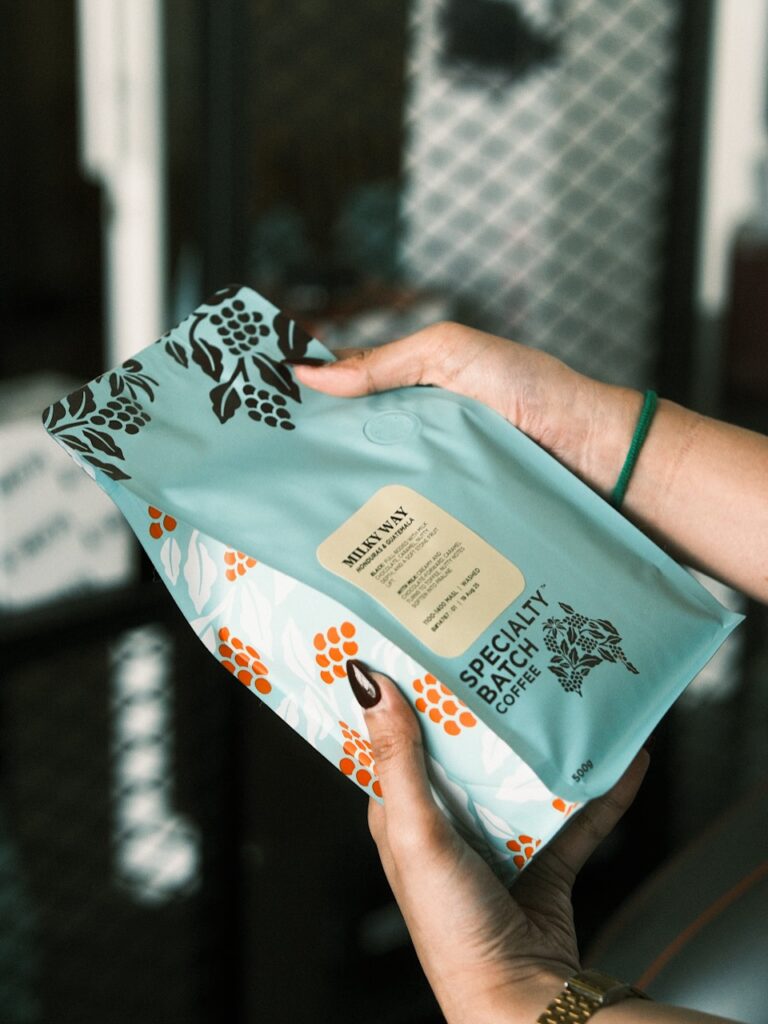
Roast date (freshness matters)
-
Transparency about origin
-
Clear roast level labeling
-
Flavor notes provided
-
Commitment to quality control
Freshly roasted coffee tastes significantly better than beans that have been sitting on shelves for months.
Final Thoughts
A coffee roaster is the true architect of flavor. From carefully selecting green beans to controlling precise roasting conditions, the coffee roaster shapes every note you taste in your cup. Whether you prefer light, medium, or dark roast, understanding the roasting process helps you appreciate the craftsmanship behind your coffee.