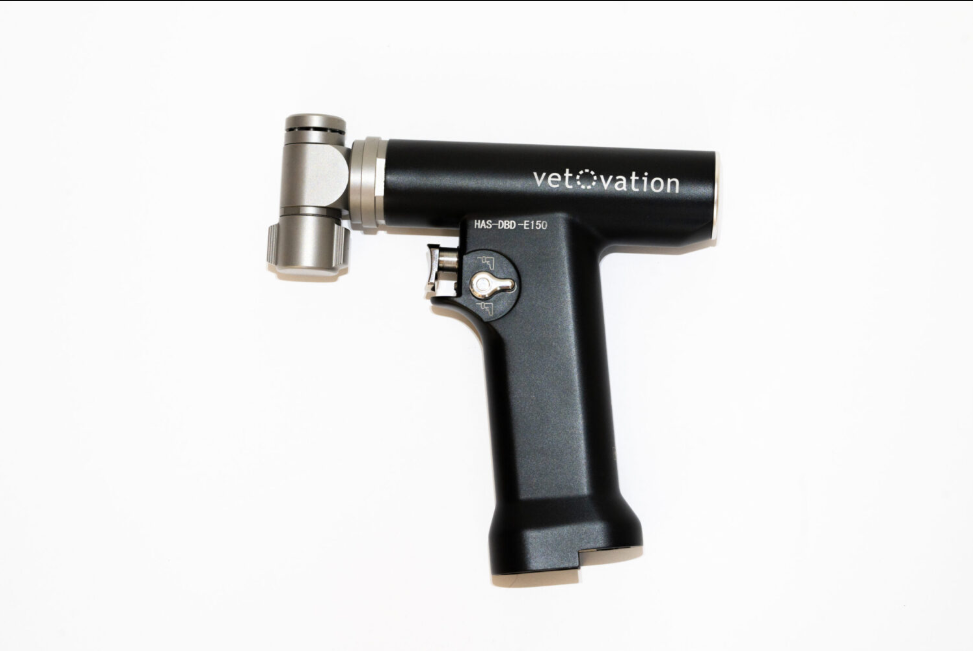

In veterinary orthopedics, precision and control are critical for achieving successful surgical outcomes. When operating on bones, especially during complex orthopedic procedures, the surgeon relies heavily on tools that provide clean, accurate cuts with minimal tissue damage. One of the most essential instruments in this field is the veterinary saw, a specialized power tool designed to meet the unique needs of animal surgery.
The Importance of Bone Cutting in Veterinary Procedures
Bone cutting is a fundamental step in many orthopedic operations. Whether it’s reshaping bone during corrective surgery, removing damaged sections, or preparing a site for implants, accuracy is essential. Any deviation in the cut can affect bone alignment, implant fit, and overall healing.
Veterinary bone surgery requires tools that can handle a wide range of animal sizes and bone densities. A saw that is powerful enough for large animals like horses must also be adaptable for smaller patients such as cats or small-breed dogs. This is why modular, battery-powered saw systems are becoming increasingly popular in veterinary practices.
Features of Modern Veterinary Saws
The latest generation of battery-powered orthopedic saws offers several advantages for veterinary surgeons:
- Ergonomic Design: Comfortable grip and balanced weight distribution reduce fatigue during long surgeries.
- Precision Control: Variable speed and responsive triggers allow the surgeon to adjust cutting power instantly.
- Modular Attachments: Different saw attachments can be fitted to handle various surgical requirements.
- Cordless Operation: Battery power provides greater mobility and eliminates the restrictions of cords in the sterile field.
These features combine to give surgeons a high degree of control, which is essential when working in delicate or confined areas.
Integration with a Complete Orthopedic Toolkit
Many veterinary saws are sold as part of a kit that includes both drilling and sawing capabilities. A modular handpiece can be fitted with a drill chuck for preparing screw holes or with a sagittal saw attachment for cutting bone. This versatility reduces the number of separate tools needed during surgery, streamlining the procedure and saving valuable time.
A standard kit might include:
- A single-trigger handpiece for multiple attachments.
- Drill chuck for bone preparation.
- Sagittal saw attachment for precise bone cutting.
- Rechargeable batteries with a dedicated charger.
- Sterile transfer cases and shields to maintain aseptic conditions.
With these tools, a single power system can handle drilling, sawing, reaming, and even screw-driving.
Training and Surgical Efficiency
Even with the most advanced equipment, surgical success depends on the skill of the veterinary team. Proper training in saw operation ensures that cuts are made with accuracy and minimal heat generation, which helps protect bone tissue. Hands-on training also covers safe handling, battery management, and attachment changes during surgery.
When a team is proficient with their saw system, surgical times can be reduced, which benefits the patient by shortening anesthesia exposure and improving recovery prospects.
Benefits for Animal Recovery
Precise bone cuts contribute directly to better healing outcomes. Clean cuts reduce the risk of complications, promote faster bone regeneration, and improve implant stability. This can lead to less post-operative discomfort for the animal and a quicker return to normal activity.
By using a well-maintained, high-quality saw, veterinary surgeons can perform procedures with confidence, knowing they have the control needed for complex orthopedic work.
Final Thoughts
The veterinary saw is an indispensable tool in animal orthopedic surgery, offering the precision, versatility, and reliability needed for complex bone procedures. From TPLO surgeries to corrective osteotomies, its ability to deliver clean, accurate cuts makes it a cornerstone of modern veterinary orthopedics. When paired with the right training, maintenance, and sterilization practices, it supports not only surgical efficiency but also the best possible recovery for animal patients.