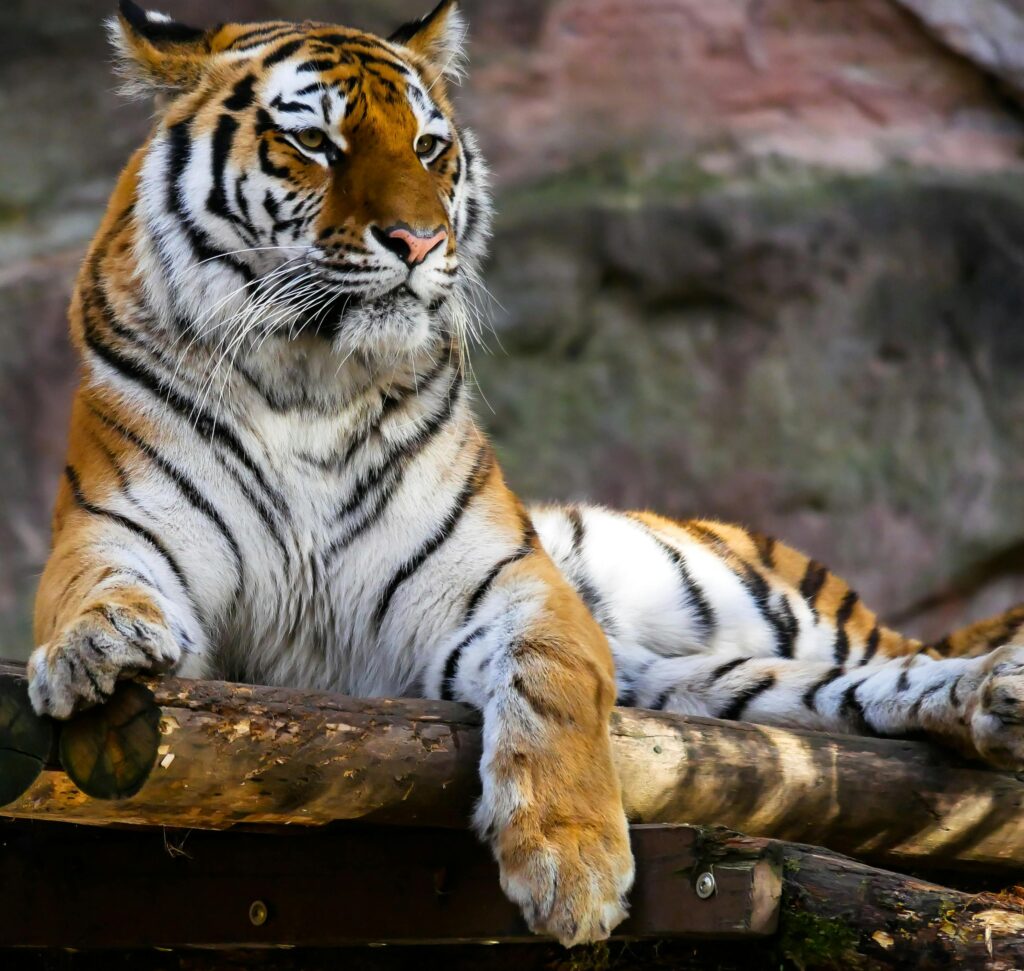

Rajasthan is often celebrated for its forts, palaces, and desert landscapes, but it also houses one of India’s most famous wildlife sanctuaries—Ranthambore National Park & Tiger Reserve. Located near Sawai Madhopur, Ranthambore is a captivating blend of history and wilderness. Once the hunting grounds of the Maharajas of Jaipur, today it stands as a protected reserve where tigers roam freely amidst ancient ruins and dense forests.
Exploring Ranthambore is not just about spotting the majestic Bengal tiger—it’s about immersing yourself in a rich ecosystem of flora, fauna, and heritage. This article takes you through the park’s highlights, safari experiences, wildlife diversity, historical significance, and travel tips, ensuring you make the most of your visit.
History and Significance
- Royal Hunting Grounds: Ranthambore was once the private hunting reserve of Jaipur’s rulers.
- Tiger Reserve Status: Declared a Tiger Reserve in 1973 under Project Tiger.
- National Park: Officially became a national park in 1980.
- UNESCO Recognition: Part of the larger Ranthambore Tiger Reserve, which is globally recognized for conservation efforts.
Geography and Landscape
- Area: Spread across 1,334 sq km, with the core park covering 392 sq km.
- Terrain: A mix of dry deciduous forests, grasslands, lakes, and rocky outcrops.
- Unique Feature: The 10th-century Ranthambore Fort sits atop a hill, offering panoramic views of the park.
Wildlife Diversity
Tigers
- Highlight: The Bengal tiger is the star attraction.
- Experience: Ranthambore is one of the best places in India to spot tigers in the wild.
- Behavior: Tigers here are known for being more visible, often seen near lakes and ruins.
Other Mammals
- Leopards
- Sloth bears
- Striped hyenas
- Jackals
- Chital (spotted deer)
- Sambar deer
- Nilgai (blue bull)
- Wild boars
Birds
- Over 300 species, including:
- Crested serpent eagle
- Painted spurfowl
- Indian courser
- Migratory birds like flamingos and pelicans
Reptiles
- Marsh crocodiles
- Monitor lizards
- Snakes including cobras and pythons
Safari Experience
Types of Safaris
- Jeep Safari
- Capacity: 6 people
- Offers flexibility and closer encounters.
- Canter Safari
- Capacity: 20 people
- Ideal for larger groups.
Safari Zones
Ranthambore is divided into 10 zones, each offering unique landscapes and wildlife sightings.
- Zone 1–5: Core zones, best for tiger sightings.
- Zone 6–10: Buffer zones, equally rewarding with fewer crowds.
Safari Timings
- Morning Safari: 6:00 AM – 9:30 AM
- Afternoon Safari: 3:00 PM – 6:30 PM
Best Time to Visit Ranthambore
- Winter (October to March): Pleasant weather, ideal for safaris.
- Summer (April to June): Hot, but animals gather near waterholes, increasing chances of sightings.
- Monsoon (July to September): Park remains closed for safaris.
Recommendation: Winter is the most comfortable season, but summer offers dramatic wildlife encounters.
Ranthambore Fort: History Amidst Wilderness
- Built: 10th century, by Chauhan rulers.
- Significance: A UNESCO World Heritage Site under Hill Forts of Rajasthan.
- Highlights: Temples, ruins, and panoramic views of the park.
- Experience: A unique blend of history and nature.
Conservation Efforts
- Project Tiger: Ranthambore is a flagship reserve under this initiative.
- Community Involvement: Local communities are engaged in eco-tourism and conservation.
- Challenges: Human-wildlife conflict and poaching remain concerns.
Travel Tips
- Book Safaris in Advance: Online booking is essential, especially during peak season.
- Carry Essentials: Camera, binoculars, sunscreen, hats, and water bottles.
- Dress Smart: Neutral-colored clothing to blend with surroundings.
- Respect Wildlife: Maintain silence, avoid littering, and follow guide instructions.
- Stay Hydrated: Especially during summer safaris.
Accommodation Options
- Luxury Resorts: Offering premium amenities and guided tours.
- Eco-Lodges: Sustainable stays close to nature.
- Budget Hotels: Affordable options in Sawai Madhopur.
Suggested Itinerary
- Day 1: Morning safari in Zone 1–5, visit Ranthambore Fort.
- Day 2: Afternoon safari in Zone 6–10, explore local villages.
- Day 3: Birdwatching at Surwal Lake, visit Raj Bagh ruins.
Cultural and Nearby Attractions
- Trinetra Ganesh Temple: Located inside Ranthambore Fort, one of the oldest temples dedicated to Lord Ganesha.
- Surwal Lake: Popular for birdwatching.
- Raj Bagh Ruins: Ancient structures amidst the forest, offering a mystical backdrop.
- Sawai Madhopur: Known for local handicrafts and cultural experiences.
Month-by-Month Experience
- October–November: Start of season, pleasant weather, fewer crowds.
- December–January: Peak season, excellent tiger sightings, ideal for families.
- February–March: Mild climate, fewer tourists, great for photographers.
- April–June: Hot but rewarding, sightings near waterholes.
- July–September: Closed for monsoon, eco-tourism opportunities outside the park.
Ranthambore vs Other Tiger Reserves
| Feature | Ranthambore | Bandhavgarh | Kanha |
| Location | Rajasthan | Madhya Pradesh | Madhya Pradesh |
| Tiger Visibility | High | Very High | Moderate |
| Landscape | Forts, lakes, ruins | Dense forests | Meadows, sal forests |
| Accessibility | Easy via Jaipur | Moderate | Moderate |
Conclusion
Ranthambore National Park & Tiger Reserve is more than a wildlife sanctuary—it’s a living canvas where history and nature coexist. From the thrill of spotting a tiger to the serenity of ancient ruins, Ranthambore offers an experience that is both adventurous and soulful. Whether you’re a wildlife enthusiast, photographer, or family traveler, Ranthambore promises memories that last a lifetime.