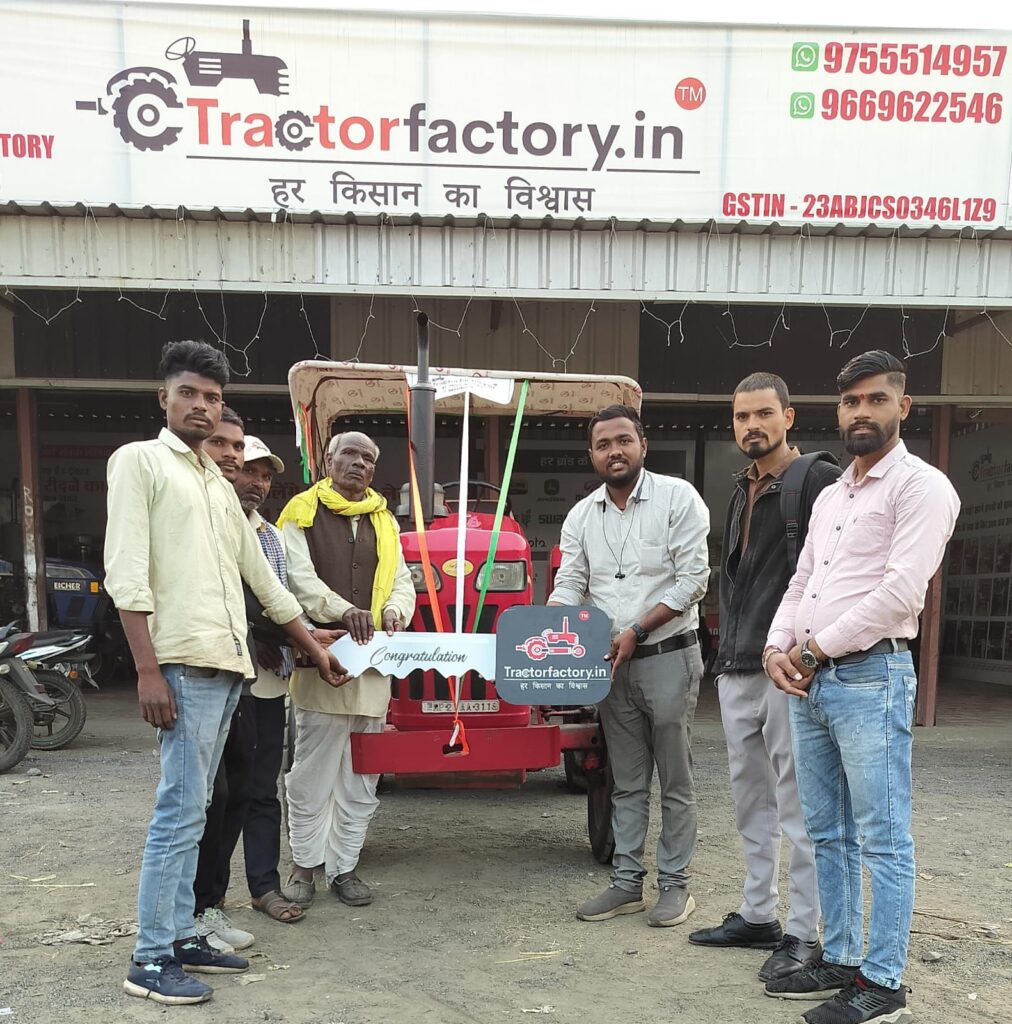

Buying a used tractor is not a shortcut. It’s a decision that usually comes after years of standing in fields, fixing breakdowns with oily hands, and learning what really matters once the engine is running and the work begins. New tractors look good on paper. Used tractors tell their story in sound, vibration, and how they pull when the soil turns heavy.
Why a Used Tractor Still Makes Sense on Real Farms
A tractor earns its value only when it works. Not when it shines.
Most farmers I know didn’t start with a new machine. They started with something older, sometimes older than them, because the job didn’t wait for perfect conditions. A used tractor makes sense because it’s already proven. If it survived ten or fifteen seasons, chances are it knows how to handle another.
You also don’t panic when the first scratch appears. That freedom matters. You work harder, push longer, and worry less about cosmetic damage. Farming isn’t gentle. Machines shouldn’t be treated like fragile objects.
Cost is part of it, yes. But confidence is bigger. You know what a used tractor can handle because someone already tested it.
What Experience Teaches You Before Buying Used
Spec sheets don’t tell you everything. They never did.
The first thing I look at is how the tractor starts cold. Not after warming up. Cold. A tired engine shows its truth in those first seconds. Then I listen. Not just for noise, but for rhythm. Uneven sounds usually mean uneven wear.
Clutch feel matters more than people admit. A soft or slipping clutch turns simple tasks into daily frustration. Same with steering. A tractor that doesn’t respond cleanly wears you out faster than the field does.
Paper records help, but hands-on inspection matters more. Touch the hydraulics. Watch how the lift arms behave under load. Small hesitations become big problems during peak season.
Engine Life Is About Care, Not Just Hours
People obsess over hours on the meter. I’ve seen tractors with high hours run smoother than low-hour machines that were neglected.
Regular oil changes, clean filters, and sensible operation keep an engine alive. Abuse kills it early. Dust, overheating, cheap fuel. That’s what shortens life.
A used tractor with honest wear and good maintenance beats a low-hour machine that sat unused or poorly stored. Engines like to work. Sitting too long causes its own damage.
Look for leaks, yes. But also look for signs of care. Clean grease points. Bolts that haven’t been rounded off. These small details speak loudly.
Transmission Feel Tells a Long Story
Gearboxes don’t lie.
Shift through every gear. Slowly. Then faster. Feel for resistance or grinding. A smooth shift usually means proper use. Hard shifts suggest rushed operators or ignored maintenance.
Older tractors often have simpler transmissions. That’s not a disadvantage. Fewer electronics mean fewer surprises. You can hear problems coming instead of being surprised by warning lights.
If the transmission holds steady under load without slipping or noise changes, you’re likely looking at a solid machine.
Hydraulics Are the Silent Backbone
Hydraulics don’t get attention until they fail.
A used tractor’s hydraulic system should lift smoothly and hold position without drifting. Jerky movement or slow response usually means worn pumps or internal leaks.
Test with real weight if possible. Empty lifts don’t tell the full story. Watch for overheating after extended use. Heat exposes weakness.
Hydraulics that behave well save time every single day. Ones that don’t turn every job into a waiting game.
Tires Tell You How the Tractor Lived
Tires are history written in rubber.
Uneven wear suggests alignment issues or poor weight distribution. Cracks mean long sun exposure or neglect. Matching tire brands often indicate thoughtful replacement instead of quick fixes.
Replacing tires isn’t cheap. Factor that into the price honestly. A good tractor with bad tires may still be worth it, but only if you know what you’re stepping into.
Good tires mean better traction, less fuel waste, and less strain on the drivetrain. Simple truth.
Old Models vs Newer Used Tractors
Older tractors have character. Newer used ones have convenience.
Older machines are easier to repair in the field. You can hear problems developing. Parts are often available locally or adaptable. Mechanics understand them.
Newer used tractors offer comfort, efficiency, and sometimes better fuel economy. But electronics can complicate repairs. When something fails, you might need a specialist instead of a wrench.
There’s no universal answer. It depends on your land, your skill level, and how much downtime you can tolerate.
Matching the Tractor to Your Actual Work
Buying too much tractor wastes money. Buying too little wastes time.
Think honestly about what you do most. Plowing, hauling, rotavating, spraying. A used tractor should match the heaviest regular task, not the rare one.
Horsepower matters, but torque and weight matter more. A heavier tractor with moderate power often outperforms a lighter high-horsepower machine in tough soil.
Also think about maneuverability. Tight fields, orchards, or small plots need different machines than open farmland.
Fuel Efficiency in Real Conditions
Lab numbers don’t work in mud.
A used tractor’s fuel efficiency depends on engine health, gearing, and how well it matches the job. An overpowered tractor burns more fuel doing light work. An underpowered one struggles and wastes fuel too.
Watch exhaust color under load. Excess smoke often means inefficient combustion. That’s fuel literally going into the air.
A well-maintained used tractor often surprises people with how economical it can be.
Spare Parts and Local Support Matter More Than Brand Names
A famous brand doesn’t help if parts take weeks to arrive.
Before buying, check local availability. Filters, belts, seals. Common wear items should be easy to find. Mechanics should be familiar with the model.
Sometimes lesser-known brands perform well but lack support. That becomes a problem during harvest or planting season when delays cost real money.
A used tractor with strong local support is safer than a fancy one without it.
Price Isn’t Just the Sticker Number
Cheap can be expensive later.
A fair price considers condition, remaining life, and upcoming repairs. Don’t ignore small issues thinking they’ll stay small. They rarely do.
Negotiate with facts. Point out wear honestly. Sellers respect buyers who know what they’re looking at.
Walk away if something feels wrong. There will always be another tractor.
When a Used Tractor Becomes Part of the Farm
Some machines earn trust.
You stop thinking about them. You just start the engine and work. That’s when a used tractor proves its value. Not on the day of purchase, but season after season.
Scratches appear. Paint fades. But the engine keeps pulling. Hydraulics lift without complaint. That reliability becomes part of your routine.
Those are the tractors people remember. Not because they were perfect, but because they showed up every day.
Final Thoughts from the Field
A used tractors isn’t a compromise. It’s a choice shaped by experience.
If you inspect carefully, buy honestly, and maintain consistently, a used tractor can serve longer than expected. It becomes a partner in work, not a liability.
Farming teaches patience. Machines should reflect that same steady strength.
A good used tractor does exactly that.